
Plants
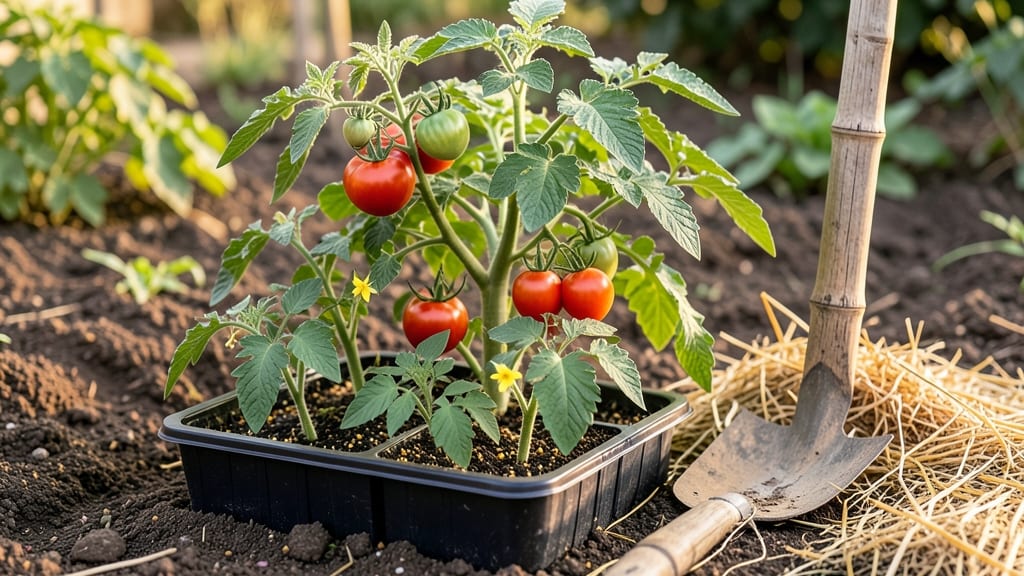
Planting tomatoes in Texas isn't just about grabbing seeds and sticking them in the dirt—it's about beating the heat and frost to grow juicy, productive 🍅 plants that don't bolt before they ripen.
The wrong timing means struggling with weak seedlings in spring or flowers turning into fruit too fast in summer, leaving you with bitter tomatoes.
Texas's 8a-10b zones give you two prime windows: spring (mid-February to early May) and fall (late July to early September). But here's the catch—North Texas's late frosts and South Texas's brutal summer heat mean your start dates should shift depending on where you live.
I've tested the best methods to avoid bolting, from soil temperature checks to shade cloth hacks, so you can plant with confidence. Whether you're a first-timer or a seasoned gardener, these exact start dates and pro tips will help you grow tomatoes that thrive—not just survive—in Texas's extreme climate.
Ready to skip the guesswork? Let's dive into the precise planting schedule and tricks that keep your tomatoes growing strong all season long.
Texas tomato planting zones: exact start dates by region (avoid bolting)
Texas spans USDA Zones 8a-10b, meaning your planting dates should vary dramatically from the Panhandle to South Texas. In North Texas, late frosts can linger until mid-February, while South Texas enjoys frost-free winters.
The key? Plant when soil hits 60°F+ and nighttime temps stay above 50°F—this prevents cold shock and bolting from heat stress.
For spring plantings, aim for mid-March to early May in most regions, but adjust based on your last frost date. Fall plantings should start late July to early September to ensure harvests before first frost.
The Central Texas Hill Country has unique microclimates—check local Cooperative Extension offices for hyper-local advice.
Here’s how to match your region to the perfect planting window:
| Region | Spring Planting Window | Fall Planting Window | Heat-Tolerant Varieties | Key Tip |
|---|---|---|---|---|
| North Texas (8a-9a) | Mid-March to April 15 | Late July to August 15 | 'Celebrity,' 'Mountain Merit' | Use black plastic mulch to warm soil faster. |
| Central Texas (8b-9b) | Late February to early April | Early August to September 1 | 'Solar Fire,' 'Heatmaster' | Start seeds indoors 6-8 weeks before last frost. |
| South Texas (9b-10b) | January to March | June to August | 'Heatwave II,' 'Arkansas Traveler' | Plant in partial shade during peak summer. |
If you’re in East Texas, where humidity spikes, opt for disease-resistant varieties like 'Better Boy' or 'Early Girl.' In West Texas, where soil can be alkaline, amend with compost and sulfur to lower pH. For container growing, start seeds 4-6 weeks earlier since pots heat up faster.
Pro tip: Use a soil thermometer to confirm 60°F+ soil temps before transplanting. Cold soil slows root growth, making plants vulnerable to verticillium wilt and other diseases. In North Texas, cover seedlings with frost cloth if nights dip below 45°F.
For fall crops, prioritize early-maturing varieties (60-70 days to harvest) to beat frost. In South Texas, you can even plant year-round with shade cloth during the hottest months. Just remember: overheating soil (above 90°F) causes bolting, so mulch heavily to keep roots cool.
Texas’s variable climate means your neighbors’ success stories might not apply to you. Always check local frost dates from the Texas A&M AgriLife Extension and adjust your timeline by 1-2 weeks if your microclimate runs cooler or warmer than average.
Start with transplanting, not direct sowing, for faster results. Buy 6-week-old seedlings from nurseries to avoid the 30-40 day wait for seeds to germinate. Harden off seedlings for 7-10 days before planting to reduce transplant shock.
🌱
How to adjust planting dates for Texas heat: preventing early bolting
Texas summers are brutal for tomatoes—temperatures above 85°F can trigger early bolting, where plants flower and fruit too quickly, reducing yield and quality. The key to avoiding this is adjusting your planting timeline based on soil and air temperatures, not just calendar dates.
Unlike northern states, Texas gardeners must account for rapid warming and heat waves that can derail even the best-laid plans.
Start by checking soil temperatures—tomatoes thrive when soil is at least 60°F. Use a soil thermometer (or press your finger into the ground; if it feels warm to the touch, it’s ready).
In North Texas, this might mean waiting until mid-April, while South Texas gardeners can plant as early as late February under ideal conditions. The goal? Give plants enough time to establish roots before the 100°F+ heat hits.
🚨 WARNING: Common Mistake Many Texas gardeners rush to plant early varieties in March, only to see them bolt by May. This happens because day length and heat stress combine to trigger flowering. Instead, opt for heat-tolerant varieties with longer maturity times (like 'Heatmaster' or 'Solar Fire') and delay planting until after Memorial Day in North Texas or mid-June in Central Texas.
Avoid These Bolting Triggers
- Planting too early when nights are still below 50°F.
- Choosing short-day varieties (like 'Early Girl') for Texas heat.
- Skipping shade cloth during 100°F+ heat waves.
- Over-fertilizing with high-nitrogen feeds in spring.
For a fall harvest, Texas gardeners have a second chance. Plant heat-set varieties (like 'Celebrity' or 'Better Boy') in late July or early August to avoid the worst summer heat. These tomatoes develop flowers in response to heat stress, then set fruit as temperatures cool in fall.
Just be sure to mulch heavily to keep roots cool and water deeply to prevent stress.
Another trick? Use black plastic mulch to warm soil faster in spring or reflective mulch to cool roots in summer. Both methods can shift your planting window by 2-3 weeks, giving you more flexibility.
Pair this with drip irrigation to deliver water directly to roots, reducing evaporation and stress on the plant.
Finally, keep an eye on weather forecasts. If a heat wave is predicted, provide temporary shade with 30-50% shade cloth until temperatures drop. This simple step can delay bolting by 10-14 days, giving your plants more time to mature.
With these adjustments, you’ll avoid the heartbreak of bolt-prone tomatoes and enjoy a longer, more productive harvest.