
Planting
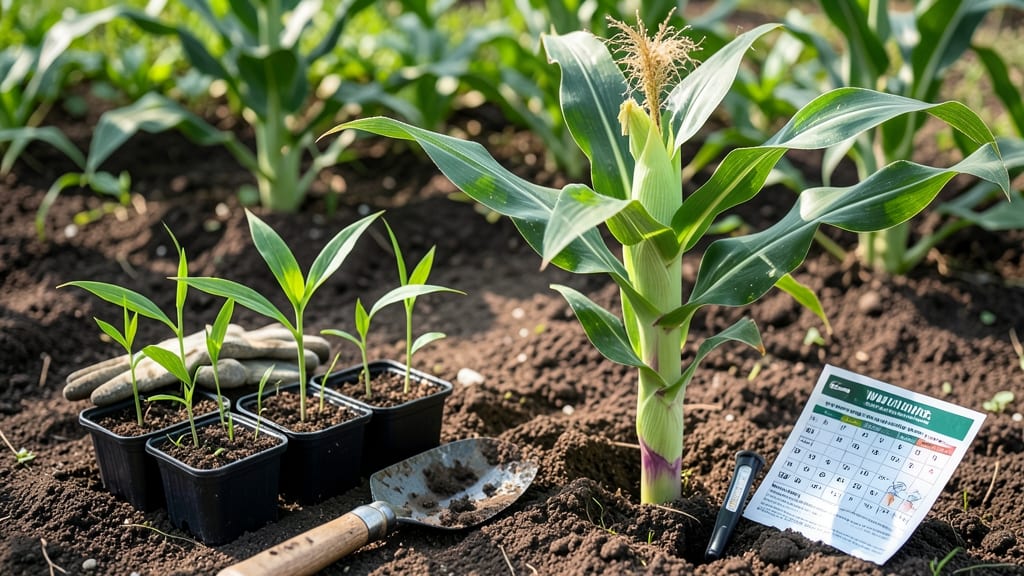
Planting a garden in Iowa isn’t just about grabbing seeds and digging in—it’s about mastering the perfect timing to outsmart unpredictable frost and maximize your harvest.
With USDA zones 5a-5b and last frost dates that can vary by weeks, getting it wrong means either wilted seedlings or a shortened growing season.
I’ve learned the hard way that cool-season crops like peas and lettuce can handle mid-April soil, while tomatoes and peppers need to wait until after early June—when the ground finally warms.
The key is knowing your region’s microclimate, whether you’re in a city heat pocket or a rural valley where cold lingers longer.
In this guide, I’ll break down exactly when to plant every major crop in Iowa, from frost-resistant greens to heat-loving tomatoes, plus pro tips to extend your season. No more guesswork—just a foolproof schedule tailored to your backyard.
Ready to turn your garden into a thriving 🌱 powerhouse? Let’s get started with the timing that makes all the difference.
Iowa’s frost-free deadlines by region: when to plant cool-season crops
Iowa spans USDA Hardiness Zones 4a-5a, meaning frost dates vary dramatically—from late April in southern Iowa to early June in the north. For cool-season crops like spinach, peas, and lettuce, timing is critical.
Planting too early risks frost damage, while waiting too long may lead to bolting or poor yields. Let’s break down the exact frost-free deadlines by region and how to adjust for Iowa’s microclimates.
Northern Iowa (Zones 4a-4b) typically sees its last frost around May 1-15, while southern Iowa (Zones 5a-5b) averages April 15-30. Central Iowa falls in between, with a last frost date of around April 25.
These dates shift yearly, so always check the Iowa State University Extension’s frost forecast for real-time updates. Urban areas like Des Moines often experience earlier last frosts due to heat islands, while river valleys can stay colder longer.
For cool-season crops, aim to plant 4-6 weeks before your last frost date. This gives seedlings time to establish roots before summer heat sets in.
For example, in Zone 4a, sow spinach seeds by mid-April, while in Zone 5b, you can start as early as late March. Always use row covers or cold frames for early plantings to protect tender seedlings.
| USDA Zone | Last Frost Date | Cool-Season Planting Window | Example Crops |
|---|---|---|---|
| 4a (Northwest IA) | May 1-15 | April 1-15 | Peas, Spinach, Kale |
| 4b (Central IA) | April 25-May 10 | March 25-April 10 | Lettuce, Broccoli, Radishes |
| 5a (Southwest IA) | April 15-30 | Late March-April 1 | Spinach, Cabbage, Carrots |
| 5b (Southeast IA) | April 1-15 | Late February-March 15 | Peas, Onions, Lettuce |
Adjust your planting schedule based on microclimates. For instance, areas near rivers or lakes may experience later frosts, while urban gardens often warm up faster. If you’re unsure, use biodegradable seed pots to transplant seedlings after the last frost, giving you flexibility.
Start seeds indoors 6-8 weeks before the last frost for crops like broccoli and cabbage, which need a longer growing season.
Soil temperature is another key factor. Cool-season crops thrive when soil temps are between 40°F and 70°F. Use a soil thermometer to check—if temps rise above 70°F, your lettuce and spinach may bolt prematurely.
In northern Iowa, wait until soil warms to at least 50°F before planting peas or spinach. For southern Iowa, you can plant earlier, but always monitor weather forecasts for late frosts.
Don’t forget about succession planting! For crops like lettuce and radishes, sow seeds every 2-3 weeks until early July to ensure a continuous harvest. This works especially well in Iowa’s shorter growing season.
For example, in Zone 5a, plant lettuce in March, April, and May for fall harvests. Use shade cloth in late spring to protect tender greens from scorching heat.
If you’re in Zone 4a or 4b, consider starting cold-hardy crops like kale or Swiss chard in early spring. These can tolerate light frosts and even improve flavor after a frost.
For Zone 5a and 5b, you have more flexibility, but always be prepared for late spring frosts, which can occur as late as May 10 in some areas. Keep a row cover handy to protect young plants.
Pro tip: Use Iowa State University’s Garden Calendar as a guide, but trust your local weather patterns. If you’ve lived in the same area for years, you’ve likely noticed when your last frost typically occurs.
Combine this knowledge with the USDA zone guidelines for the most accurate planting schedule. For example, if your neighborhood consistently sees frosts by April 20, adjust your planting window accordingly.
Finally, don’t overlook soil preparation. Iowa’s clay-heavy soils benefit from compost and organic matter to improve drainage and fertility. Test your soil’s pH—most cool-season crops prefer a pH of 6.0-7.0. Amend with lime if your soil is too acidic. Well-prepared soil helps
Warm-season planting schedule: tomatoes, peppers, and corn timing secrets
Iowa’s warm-season crops like tomatoes, peppers, and corn demand precise timing to thrive. These heat-loving plants won’t germinate until soil temperatures hit 50°F+, and transplanting too early can stunt growth or invite disease.
In Iowa’s USDA Zones 4a-5b, aim to plant these crops 2-3 weeks after your last frost date, typically mid-May to early June.
For tomatoes and peppers, start seeds indoors 6-8 weeks before transplanting—around early April. Harden off seedlings by late April to ensure they’re ready for outdoor conditions. Corn, on the other hand, thrives when planted in blocks, not rows, for better pollination.
Wait until soil warms to 60°F+ (usually late May) to plant corn seeds directly outdoors.
🌱
Pro tip: Monitor Iowa State University’s Mesonet for real-time soil temps and weather alerts. If a late frost threatens, protect seedlings with frost cloth or move pots indoors temporarily. For peppers, which are especially sensitive, consider using black plastic mulch to warm soil faster and suppress weeds.
Once planted, focus on consistent watering—deep soaks 1-2 inches per week—to prevent blossom-end rot in tomatoes. Mulch heavily to retain moisture and regulate soil temps, which is critical in Iowa’s hot, dry summers.
With the right timing, your warm-season crops will reward you with bountiful harvests from July through September.
☀️