
Plants
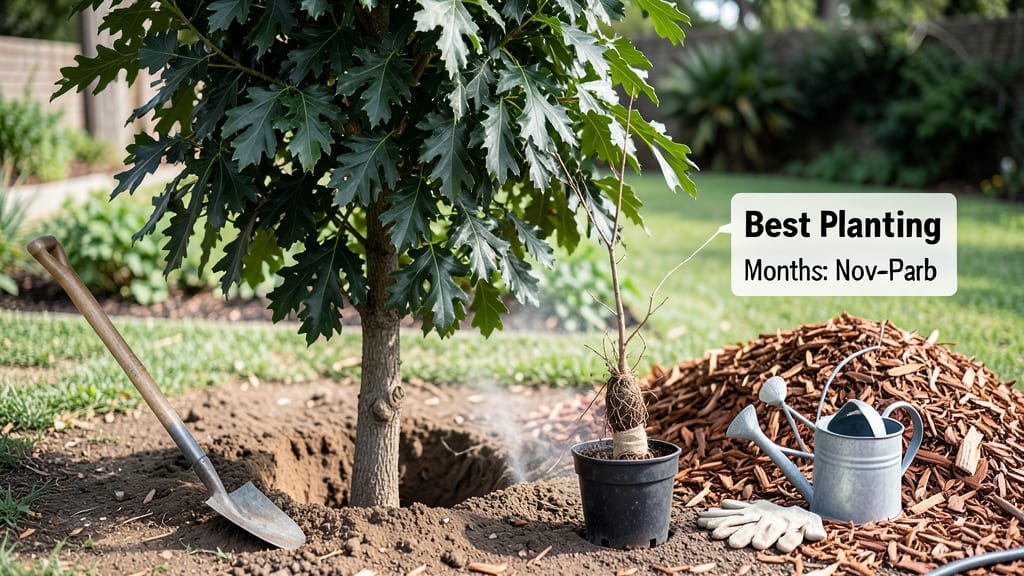
Planting a tree in Texas at the wrong time could mean watching your $100 investment wither under the scorching sun or freeze in an unexpected frost. The key to success?
Timing it right—when the soil is warm, the rains are reliable, and your new 🌱 shade provider has the best shot at thriving.
Texas isn’t one-size-fits-all when it comes to planting. What works in North Texas might fail in South Texas, and vice versa.
I’ve dug into the data to break down the best months by region, so you’re not guessing whether your tree will survive—or just take up space until it’s too late.
Whether you’re planting an oak for generations of shade or a fruit tree for summer harvests, the right season makes all the difference. Let’s cut through the confusion and get your tree off to the strongest start possible—without betting on luck.
From avoiding transplant shock to picking the perfect window for root growth, I’ll show you exactly what to do. Ready to turn your yard into a thriving green space? Let’s get started.
Best months to plant trees in Texas by region (survival guide)
Texas isn’t one-size-fits-all when it comes to planting trees. The North Texas panhandle faces harsh winters, while South Texas battles relentless summer heat. Even East Texas humidity and West Texas drought create wildly different survival conditions.
To avoid transplant shock, I’ve broken down the optimal planting windows for each region—plus the critical cut-off dates you can’t miss.
For most of Texas, late winter to early spring (February through April) is the gold standard. This window lets roots establish before summer’s brutal heat sets in. But East Texas can sometimes squeeze in a fall planting (September-October) for moisture-loving species like bald cypress.
The key? Soil temperature—it should be above 60°F (15°C) for roots to thrive.
Here’s the breakdown by region—because planting a live oak in El Paso requires different timing than a pecan tree in Houston.
| Region | Best Planting Window | Critical Cut-Off Dates | Soil Prep Tip |
|---|---|---|---|
| North Texas (Dallas/Fort Worth) | Late Feb - Early April | Last frost: Feb 15 | Heatwave risk: May 1 | Amend clay soil with compost to improve drainage |
| Central Texas (Austin/San Antonio) | March - Mid-April | Last frost: Feb 28 | Summer drought begins: June 1 | Mulch heavily to retain moisture during dry spells |
| East Texas (Tyler/Beaumont) | Feb-March OR Sept-Oct | Last frost: Mar 1 | Hurricane season: June-Nov | Test for acidic soil (pH 5.5-6.5 ideal for pines) |
| West Texas (El Paso/Midland) | Late March - Early April | Last frost: Mar 15 | 100°F+ heat: May 15 | Use drip irrigation to avoid water waste |
Timing isn’t just about months—it’s about moon phases and rainfall forecasts. I always check the National Weather Service for 7-day outlooks before digging. For example, planting a mesquite tree in West Texas during a predicted 30-day dry spell means you’ll need to water 3x weekly until roots establish.
Another Texas-specific trick? Fall planting works for drought-tolerant species like Texas redbud or mountain laurel. The cooler temps reduce transplant shock, and winter rains give roots a head start. Just avoid planting after October 15 in most zones—new growth won’t harden off before first frost.
For fruit trees (like pecan or fig), I swear by bare-root planting in late winter. The dormant season means less stress, and roots wake up just as spring rains arrive. Pro move: Soak bare-root trees for 24 hours before planting to rehydrate roots.
One mistake I see often? Planting shade trees in summer because “it’s hot now.” Big mistake. New trees need 6-8 weeks to adjust—summer heat will cook roots before they establish. If you must plant in summer, choose container-grown trees with established root balls and shade cloth for the first month.
Always consider your tree’s mature size too. A 20-foot live oak needs plenty of space—don’t plant it where power lines or sidewalks will become a problem in 10 years. Measure twice, plant once!
Finally, local nurseries know best. Stop by and ask about region-specific varieties. For example, East Texas loves southern magnolias, while West Texas thrives with chinkapin oaks. Their advice could save your tree—and your wallet.
Signs your tree planting timing is wrong (and how to fix it)
Even with the best planting months in mind, Texas’ unpredictable climate can throw a wrench into your plans. If your tree shows yellowing leaves within weeks, it’s a red flag—likely a sign you planted too early or in compacted soil.
Young roots struggle to establish when temperatures swing between freezing nights and scorching days, stunting growth before it starts.
Another warning sign? Pests swarming your sapling immediately after planting. This often happens when you plant during peak insect seasons (late spring or early fall in Texas). Aphids and spider mites thrive in warm, dry conditions, and stressed trees become easy targets.
If you missed the ideal window, act fast—apply neem oil or insecticidal soap to protect your investment.
🚨 CALLOUT WARNING 🚨
If your tree’s leaves curl or brown after summer planting, it’s suffering from heat stress. Texas’ 100°F+ temperatures dehydrate roots faster than they can adapt. Fix it: Mulch heavily (3–4 inches) with wood chips and water deeply twice weekly for the first month. Avoid overhead sprinklers—they burn leaves in direct sun.
Slow root growth is another silent killer. Dig around the soil line 3–4 weeks post-planting—if roots aren’t spreading beyond the root ball, your tree is root-bound or planted in poor soil.
Texas’ clay-heavy soils in areas like East Texas can suffocate roots, while sandy soils in West Texas drain too quickly. Amend with compost or peat moss to improve drainage and aeration.
Don’t ignore fungal growth at the base of the trunk. Black spots or mushy bark signal overwatering or planting in waterlogged soil. This is common in fall planting when rains are frequent. Solution: Raise the planting hole slightly (6 inches higher than surrounding soil) to prevent root rot.
Add sand or perlite to improve drainage.
For fruit trees or ornamental varieties, watch for buds failing to open in spring.
This happens when trees are planted in winter’s chill (December–February), shocking their dormancy cycle. Fix it: Delay planting until late winter (February in North Texas, March in South Texas) when soil temperatures rise above 50°F. Use row covers if frost threatens afterward.
Pro tip: Monitor soil temperature with a soil thermometer—ideal planting temps are 60–70°F. If your tree’s leaves wilt midday despite watering, it’s transplant shock from wrong timing. Recover it: Prune 1/3 of top growth to reduce stress, then deep-water weekly for 60 days.
Mulch with straw to retain moisture and regulate soil temps.