
Trees
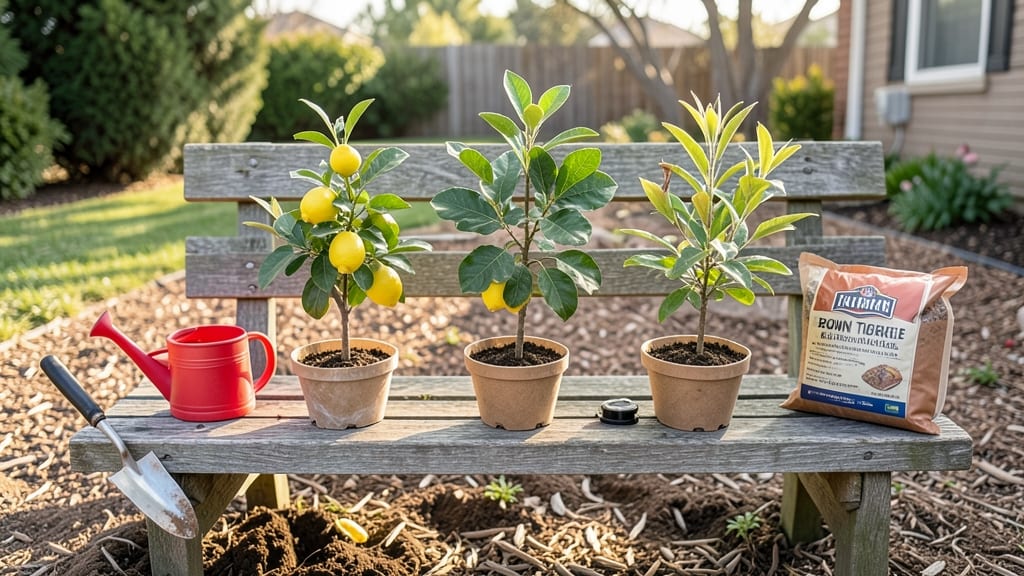
Planting fruit trees in Arizona at the wrong time can mean the difference between a thriving orchard and a sad, wilted investment. The key to success lies in understanding when to plant fruit trees in Arizona—specifically during the dormant season when roots establish strong before the heat kicks in.
With 🍎🍊🍇 varieties like citrus, figs, and peaches thriving in Arizona’s 9b climate, timing matters more than you might think. November through February offers the perfect window to plant bare-root trees, giving them a fighting chance against the scorching summers ahead. But why exactly does this matter?
In this guide, I’ll break down the science behind dormant-season planting, including how to spot the ideal cues (like leaf drop and soil temperature) to ensure your trees take root before the monsoon rains or early frost arrive.
You’ll also discover how Arizona’s microclimates—from Phoenix’s urban heat islands to Flagstaff’s cooler high desert—can shift your planting schedule by weeks.
Ready to set your fruit trees up for years of harvests? Let’s dive into the exact steps to plant during Arizona’s best months—without the guesswork.
Best planting months for Arizona fruit trees by type (citrus vs. stone vs. deciduous)
Arizona’s dormant season—typically November through February—is the golden window for planting fruit trees. During this time, trees conserve energy, reducing transplant shock and allowing roots to establish before the heat arrives. But not all fruit trees thrive on the same schedule, especially in Arizona’s diverse microclimates.
Citrus trees like lemon and orange need warmer soil to avoid root rot, while stone fruits (peach, plum) and deciduous trees (fig, pomegranate) prefer cooler temperatures. Let’s break down the ideal planting months for each type, plus how Arizona’s regions—Phoenix, Tucson, and Flagstaff—affect timing.
Visual Tip: Use a soil thermometer to confirm 60°F+ soil temps before planting citrus; stone fruits do best in 50-60°F soil.
| Fruit Tree Type | Best Planting Months | Arizona Region Notes | Soil Temp Requirement |
|---|---|---|---|
| Citrus (Lemon, Orange, Grapefruit) | December–February | Phoenix/Tucson: Dec–Jan (avoid Feb heat); Flagstaff: Jan–Feb (cooler soil) | 60°F+ (use black plastic mulch to warm soil) |
| Stone Fruits (Peach, Plum, Apricot) | November–January | All regions: Nov (high desert); Jan (low desert) | 50–60°F (bare-root best) |
| Deciduous (Fig, Pomegranate, Persimmon) | November–December | Figs: Nov (Phoenix); Pomegranates: Dec (Tucson) | 55–65°F (well-draining soil critical) |
| Nut Trees (Pecan, Walnut) | January–February | Low desert only (Flagstaff too cold) | 60°F+ (deep roots need warmth) |
🌱 Pro Tip: Adjust 2–4 weeks earlier for high-altitude areas (e.g., Flagstaff) or later for low desert (e.g., Yuma).
Citrus trees are evergreens, so they’re less tolerant of cold snaps after planting. In Phoenix and Tucson, aim for December–January to avoid February’s rising temperatures, which can stress roots. Use black plastic mulch or row covers to maintain 60°F+ soil temps.
Stone fruits like peaches and plums are dormant-deciduous, meaning they drop leaves in winter and need cooler soil to establish roots. Plant bare-root trees in November in high-desert areas (e.g., Flagstaff) or January in low desert (e.g., Phoenix).
Avoid planting in October, as monsoon rains can saturate soil and cause root rot.
Deciduous trees like figs and pomegranates thrive in Arizona’s arid climate but need well-draining soil. Figs can handle November planting in Phoenix, while pomegranates prefer December to avoid late-winter frost. Both benefit from mulching to retain moisture during dormancy.
For nut trees like pecans and walnuts, January–February is ideal in low-desert zones (e.g., Tucson). These trees have deep taproots and need warmer soil to establish. High-desert areas (e.g., Prescott) are too cold for nut trees—opt for figs or pomegranates instead.
Regional adjustments are key: Flagstaff’s cooler climate allows for earlier planting (October–November), while Yuma’s extreme heat demands later planting (February). Always check your USDA Zone (Arizona ranges from 6b–10a) and last frost date (typically January 15 in most areas).
How to identify Arizona’s dormant season triggers for fruit tree success
Arizona’s dormant season is your golden window for planting fruit trees, but it’s not just about the calendar—it’s about environmental cues that tell you when roots will thrive.
For most of the state, this means waiting until temperatures consistently stay below 60°F at night, which typically happens in late November through February. However, high desert areas like Flagstaff may experience earlier dormancy due to cooler nights.
Watch for leaf drop in deciduous trees like peach or fig, signaling it’s time to plant. Citrus trees, which stay evergreen, rely on soil temperature cues—wait until the ground cools below 65°F at a 4-inch depth.
This usually aligns with December through January in most regions, but microclimates can shift these windows by weeks.
🌱 Key Dormant Season Triggers for Arizona Fruit Trees
- 1. Nighttime temps: Consistently below 60°F (check at sunset)
- 2. Soil temp: Below 65°F at 4" (use a soil thermometer)
- 3. Leaf drop: Deciduous trees shedding 70-90% of leaves
- 4. Rainfall: 2+ weeks without rain (soil is workable)
- 5. Frost risk: After last frost date (typically mid-January)
🌡️ Pro Tip: Use a minimum-maximum thermometer to track nightly lows—this is your best predictor for dormancy.
Don’t let La Niña or El Niño throw you off—these patterns can delay or advance dormancy. During La Niña years, Arizona often sees cooler, wetter winters, which may push planting back to January.
Conversely, El Niño winters can bring milder conditions, allowing earlier planting in late November. Check the National Weather Service for regional forecasts 2-3 weeks before planting.
Before you dig, test your soil moisture—it should be damp but not soggy.
If it’s bone-dry, wait for 1-2 weeks of natural rainfall or water the area 24 hours before planting to help roots establish. Soil pH matters too: aim for 6.0-7.0 for most fruit trees, with citrus preferring the slightly acidic range (5.5-6.5).
Timing isn’t just about the season—it’s about avoiding stress. Planting during monsoon season (July-September) or peak summer heat forces trees to use energy on leaf growth instead of root development.
Even spring planting (March-April) can stress trees as temperatures rise. The 4-6 weeks before bud break is ideal for most varieties, giving roots time to anchor before new growth demands resources.
For bare-root trees, the window is even narrower—plant them within 2-3 weeks of receipt to prevent root desiccation. If you’re using container-grown trees, you have slightly more flexibility but still want to avoid extreme heat or cold snaps.
Always water deeply after planting and mulch heavily to retain moisture and regulate soil temperature.
Remember: Arizona’s microclimates vary wildly. A tree planted in Tucson’s low desert may thrive in December, while the same variety in Prescott’s high desert might need to wait until February.
When in doubt, observe your local landscape—if the creosote bushes are dropping leaves, it’s likely time to plant!