
Trees
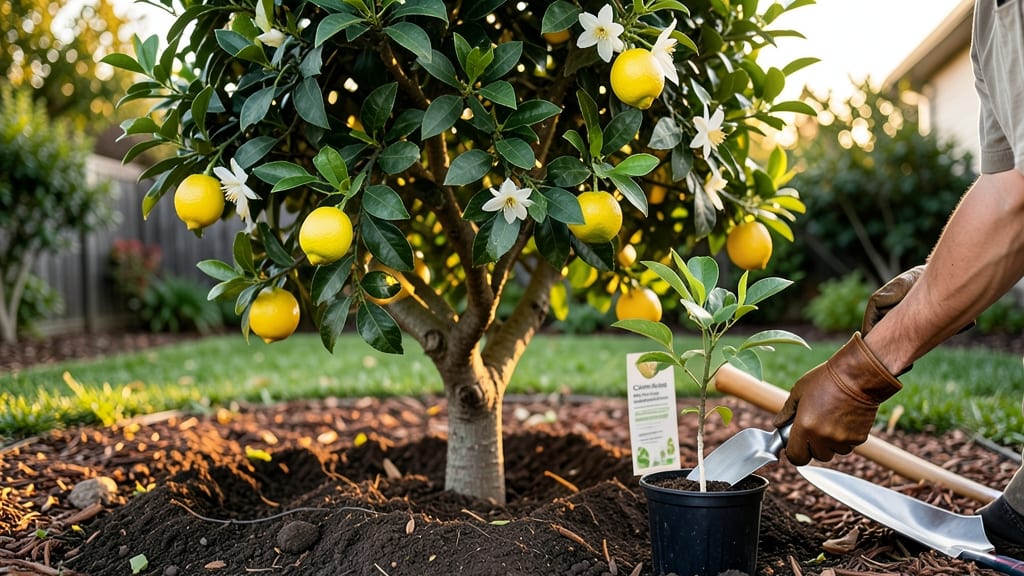
Planting a citrus tree 🍊 in Louisiana isn’t just about picking a sunny spot—it’s about catching that perfect window between frost risks and summer heat.
If you plant too early, a late freeze could wipe out your young tree before it even takes root, while waiting too long might stunt its growth during the critical early months.
Most gardeners in Louisiana’s 8a-9b zones know the general rule: spring is the best time to plant citrus trees. But here’s the catch—your exact timing depends on whether you’re in North Louisiana (where frosts linger into March) or along the Gulf Coast (where warm weather arrives weeks earlier).
I’ll break down the ideal planting months for your specific region so you can avoid common mistakes that lead to weak or dying trees.
Once you’ve got the timing right, the next challenge is preparing your soil and site. Citrus trees hate soggy feet, and Louisiana’s humid climate can turn well-meaning gardeners into overwaterers.
I’ll share my go-to soil prep tips, including drainage tricks that work in our heavy clay soils, plus how to protect your tree from wind and pests—both of which can derail even the best-planted citrus.
Ready to grow a thriving citrus tree that produces fruit year after year? Let’s dive into the exact steps, from choosing the right variety for your microclimate to the post-planting care that makes all the difference.
Your future harvest of sweet oranges and tangy lemons starts with getting this one detail right.
Best planting window in Louisiana: spring after last frost dates by region
Louisiana’s humid subtropical climate creates perfect conditions for citrus trees, but planting timing is critical to avoid frost damage or heat stress. The ideal window is late winter to early spring, specifically after the last average frost date, which varies by region.
In North Louisiana (USDA Zones 7b-8a), this typically falls between mid-February and early March, while South Louisiana (Zones 8b-9a) can plant as early as late January in coastal areas.
For inland areas, always wait until after March 15 to ensure frost-free soil. Coastal regions like New Orleans or Lafayette have milder winters, allowing for earlier planting—sometimes even December to January for hardier varieties like Satsuma mandarins.
However, young citrus trees under 2 years old are most vulnerable, so delay planting until March unless you’re using container-grown trees for flexibility.
🌱
| Region | USDA Zone | Last Frost Date | Ideal Planting Window | Microclimate Notes |
|---|---|---|---|---|
| North Louisiana | 7b-8a | Mid-February to Early March | March 15–April 15 | Higher frost risk; use windbreaks |
| Central Louisiana | 8a-8b | Late February | March 1–April 10 | Moderate frost; avoid low-lying areas |
| South Louisiana (Coastal) | 8b-9a | Late January–Early February | February 15–March 30 | Mild winters; plant early for fruit production |
| South Louisiana (Inland) | 8a-8b | Early March | March 15–April 15 | Warmer but drier; mulch heavily |
If you miss the spring window, fall planting is possible in South Louisiana (after October 15) but risky in North Louisiana due to earlier frosts.
For container-grown trees, you can plant year-round in coastal areas, but bare-root trees must wait for active root growth in spring. Always check the Louisiana State Climatology Office for real-time frost alerts before planting.
For young trees, consider protective measures like frost cloth or greenhouse covers if planting in late April.
Overheating in summer is another risk, so avoid planting after June unless using shade cloth for the first 6 weeks. Meyer lemons and Satsuma mandarins are the most frost-tolerant varieties for North Louisiana, while grapefruit thrives best in South Louisiana’s heat.
🌡️
Pro tip: Use a soil thermometer to confirm soil temps above 60°F before planting. Root development stalls in cooler soil, leading to poor establishment. Pair planting with mulching (3–4 inches of pine straw or wood chips) to retain moisture and regulate soil temperature.
This is especially critical in North Louisiana’s drier springs, where water stress can kill young trees within weeks.
For urban gardeners, container planting extends flexibility—you can move pots to sheltered spots during cold snaps or intense heat waves.
Just ensure containers have drainage holes and use well-draining potting mix to prevent root rot. Dwarf varieties like Calamondin oranges are ideal for patio citrus gardens in North Louisiana.
🪴
Finally, avoid planting during Louisiana’s peak humidity months (July–August), as high moisture increases disease pressure like citrus canker or root rot. If you must plant in summer, choose overcast days and water deeply at soil level (not overhead) to minimize fungal spores. Always sterilize tools
How to prepare your Louisiana soil and site for citrus trees
Citrus trees in Louisiana need well-draining soil and full sun exposure to thrive, but our humid climate and heavy clay soils can make this tricky. Before you plant, I always test my soil’s pH and texture—citrus prefers slightly acidic to neutral soil (pH 6.0-7.0).
If your soil is too alkaline or compacted, roots will struggle, leading to poor nutrient uptake and fungal diseases. Start by amending your soil with organic matter like compost or pine bark fines to improve drainage and aeration.
One of my biggest mistakes early on was ignoring drainage. Louisiana’s clay soils can turn into a swamp after heavy rains, and citrus trees hate soggy roots. To fix this, I recommend planting in a raised bed or mounded soil at least 12 inches high.
This elevates the roots, allowing excess water to drain away. If you’re planting in-ground, mix in coarse sand or perlite to break up clay and improve drainage. Always check for standing water after rain—if it pools for more than a few hours, your site needs better drainage.
Another critical step is selecting the right location. Citrus trees need 6+ hours of direct sunlight daily, so avoid shady spots under trees or near tall structures. In Louisiana’s hot summers, afternoon shade can actually help, but morning sun is a must.
I also recommend planting near a windbreak like a fence or shrubs to protect young trees from hurricane-force winds, which can uproot them or damage branches. If you’re in a coastal area, consider a sturdy stake or trellis for extra support.
🌱 Pro Tip: Mulch around your citrus tree with 3-4 inches of wood chips or pine straw to retain moisture, regulate soil temperature, and suppress weeds.
Just keep the mulch 6 inches away from the trunk to prevent rot. Avoid fresh mulch or grass clippings, as they can compact and suffocate roots.
Before planting, I always dig a hole twice as wide as the root ball but no deeper. This encourages roots to spread outward instead of settling too deep, which can lead to root rot in waterlogged soil.
If your soil is particularly heavy, I’ll even add a layer of gravel at the bottom of the hole to create a drainage layer. After planting, water deeply to eliminate air pockets and help the roots make contact with the amended soil.
💧 Warning: Overwatering is a common pitfall in Louisiana’s humid climate. Citrus trees need consistent moisture but hate wet feet.
Water deeply once a week in spring/fall and 2-3 times a week in summer, but always check the top 2 inches of soil—if it’s dry, it’s time to water. In winter, reduce watering to once a month unless we’re in a drought.
A drip irrigation system is ideal because it delivers water slowly at the roots, reducing evaporation and fungal risks.
Finally, consider adding a layer of landscape fabric under mulch to prevent weeds from competing for nutrients. Weeds can drain your soil of essential minerals like nitrogen and potassium, which citrus trees need for healthy growth.
If you’re planting in a container, use a fast-draining potting mix with 50% organic matter and ensure the pot has drainage holes. Containers also let you move trees indoors during rare cold snaps, giving you extra control over their environment.