
Trees
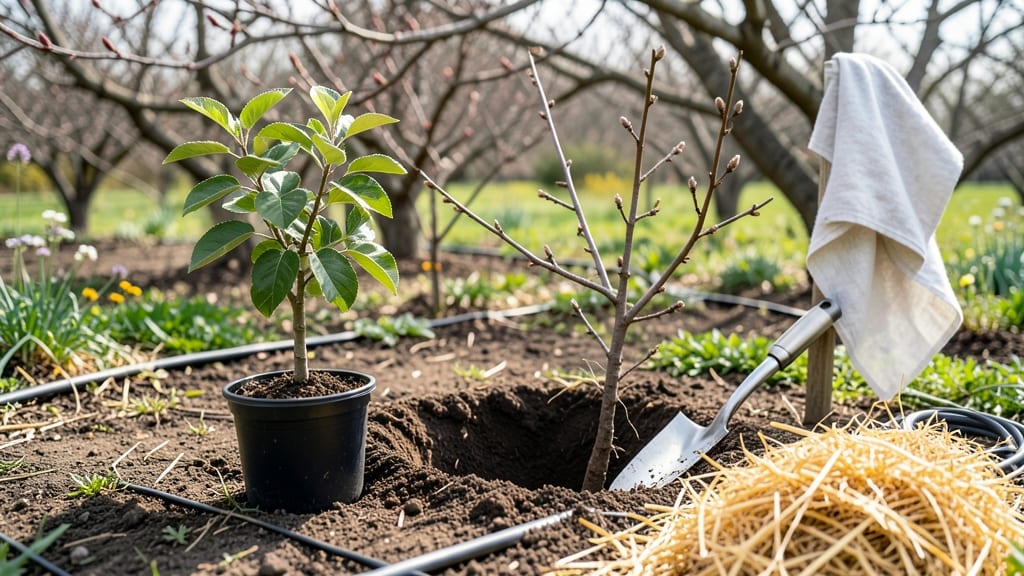
Timing fruit tree planting in Utah isn’t just about spring—it’s about matching your variety to the chill hours your region actually delivers. Too early, and a late frost can wipe out tender shoots; too late, and roots won’t anchor before winter’s bite.
But here’s the good news: with Utah’s USDA Zones 5-7 and microclimates from Salt Lake City to Park City, you can get it right.
I’ve grown everything from Honeycrisp apples to Reliance peaches in Utah’s high desert, and the difference between a thriving orchard and a struggling sapling often comes down to one simple rule: plant when soil temperatures hit 40°F and stay there for 2-3 weeks.
That’s your sweet spot for spring planting—usually late April to early May—but fall options exist too, especially for bare-root trees.
What you’ll discover here isn’t just a calendar—it’s a Utah-specific strategy that accounts for frost risks, soil prep, and even how elevation changes affect chill hours.
Whether you’re a first-time gardener or a veteran with a failing peach tree, these insights will help you avoid the top 3 mistakes that derail Utah fruit growers every year.
Let’s cut to the chase: the right planting window means faster establishment, heavier harvests, and trees that survive Utah’s unpredictable swings from 100°F summers to -20°F winters. Ready to plant with confidence? Here’s exactly when—and how—to do it.
Utah fruit tree planting calendar: best months by chill-hour requirements
Utah’s USDA Zones 5-7 create a unique challenge for fruit tree planting. Unlike coastal regions, Utah’s chill-hour requirements (400–1,000 hours below 45°F) dictate when you can plant without risking frost damage.
Most Utah gardeners should aim for late April to early May for spring planting, but late fall options exist for bare-root trees with proper protection.
Timing depends on your fruit tree variety. Peaches and nectarines need 300–500 chill hours, while apples and cherries require 600–900 hours. Utah’s high desert climate means chill hours vary by elevation—lower elevations (like Salt Lake Valley) get fewer hours than mountain regions (e.g., Park City).
Always check your last frost date (typically mid-April to early May in most areas).
For spring planting, wait until soil temperatures reach 50°F (test with a soil thermometer). In northern Utah (Zone 5), this often means late April to early May.
In southern Utah (Zone 7), you can plant as early as mid-March, but watch for late spring frosts, which are common in April.
Late fall planting (October–November) is risky but possible for bare-root trees in Zone 6-7 areas. Choose dormant trees and mulch heavily to protect roots. Avoid this method in Zone 5, where winters are harsher.
| Fruit Tree | Chill Hours Needed | Best Planting Window | Utah Zone Fit | Soil Temp Requirement |
|---|---|---|---|---|
| Apple (e.g., 'Honeycrisp') | 600–900 hours | Late April–early May | Zones 5–7 | 50°F+ |
| Peach/Nectarine (e.g., 'Reliance') | 300–500 hours | Mid-April–early May | Zones 6–7 | 45°F+ |
| Cherry (e.g., 'Montmorency') | 500–700 hours | Late April–early May | Zones 5–6 | 50°F+ |
| Plum (e.g., 'Stanley') | 400–600 hours | Mid-April–early May | Zones 5–7 | 45°F+ |
| Pear (e.g., 'Bartlett') | 300–500 hours | Late March–April | Zones 6–7 | 45°F+ |
If you’re planting bare-root trees in late fall (October–November), choose dormant varieties like 'Reliance' peaches or 'Montmorency' cherries. These handle Utah’s freeze-thaw cycles better than spring-planted trees.
Water deeply before the first hard frost, then mulch with 4–6 inches of straw to insulate roots. Avoid this method in Zone 5, where winters are unpredictable.
For container-grown trees, you have more flexibility—plant anytime soil isn’t frozen. However, spring planting (April–May) still gives roots the longest growing season to establish before winter. In southern Utah (Zone 7), you can even plant as early as February for low-chill varieties
How to adjust planting time for Utah’s microclimates and frost risks
Utah’s microclimates can vary dramatically—even within 50 miles. Salt Lake City’s urban heat island effect may delay frost, while Park City’s high elevation can bring earlier freezes. These differences mean your planting window might shift by weeks depending on where you live.
Always check your local frost dates (typically late April to early May in most of Utah) and adjust accordingly.
For bare-root trees, plant as soon as the soil is workable—usually late February to early March in southern Utah and March to early April in northern regions. Container-grown trees can handle slightly later planting (up to May 15), since their roots aren’t exposed to cold.
But rush this timing, and your tree’s root system won’t establish before winter.
🚨 CRITICAL: Utah’s late spring frosts (often in May) can devastate new growth. Choose frost-hardy varieties like ‘Freedom’ peaches or ‘Liberty’ apples, which recover better from frost damage.
If planting in April or May, use frost cloth or a row cover for the first few weeks to protect tender shoots.
Frost Risk Warning
Never plant container-grown trees after May 15 in Utah’s Zone 6-7 areas. Roots struggle to establish before winter, and late-season growth risks frost damage. Test soil temperature—it should stay above 40°F (4°C) for 2+ weeks before planting.
Soil temperature is your best indicator for planting time. Use a soil thermometer to confirm it’s consistently above 45°F (7°C) at a 6-inch depth. In Utah’s high desert (e.g., St. George), this might happen by February 15, while in Cache Valley, wait until mid-April.
Cold soil slows root growth, leaving trees vulnerable to winter dieback.
Mulch heavily (3–4 inches) after planting to insulate roots and retain moisture. Use straw or wood chips, but keep mulch 6 inches away from the trunk to prevent rot.
In high-elevation areas (e.g., Ogden or Logan), add an extra layer of mulch in October to protect roots from freeze-thaw cycles.
If you miss the spring window, consider fall planting (September to early October) for container-grown trees. Choose dwarf or semi-dwarf varieties—they establish faster and handle Utah’s short growing season better. Water deeply before the first hard frost (usually October 15–November 1) to ensure roots have moisture reserves.
Pro tip: Plant near a south-facing wall or use black plastic mulch to warm soil faster in spring. This can extend your planting window by 2–3 weeks in colder microclimates like Provo or Heber. Just avoid planting near air-conditioning units—they create cold pockets that mimic frost.