
Plants
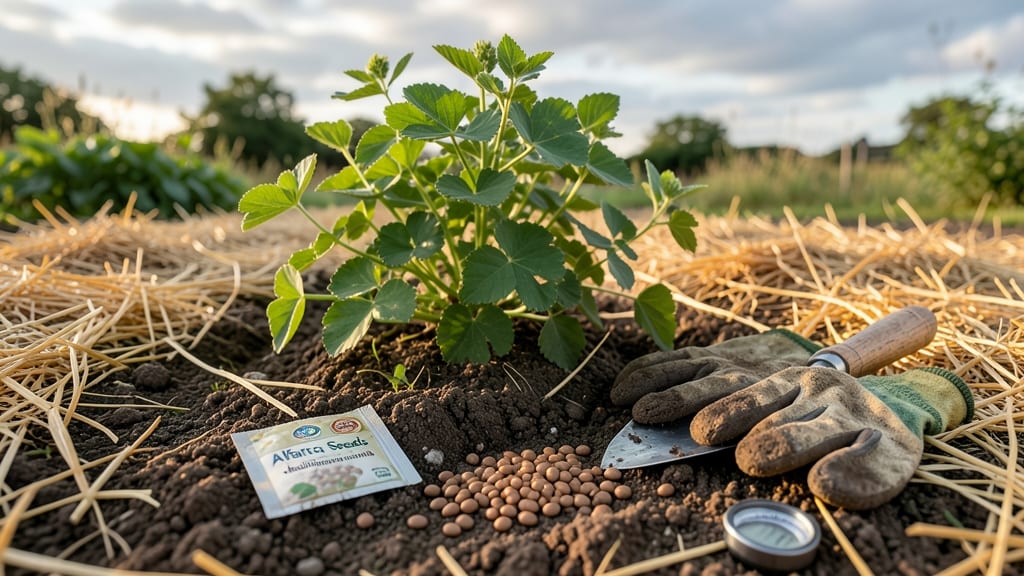
Planting alfalfa at the wrong time in North Carolina can mean the difference between a thriving 🌱 crop and wasted seeds—especially when balancing soil temperatures and frost risks across zones 7a-8b.
I’ve learned the hard way that timing isn’t just about the calendar—it’s about soil warmth, regional microclimates, and knowing when the last frost has passed. Whether you’re in the Coastal Plain or the Piedmont, getting this right ensures your alfalfa establishes strong roots before summer heat sets in.
In this guide, I’ll break down the exact March-April window that works best for NC growers, plus how to adjust for early vs. late varieties. We’ll also cover soil pH (alfalfa loves 6.5–7.0) and drought tolerance—critical factors that most planting advice overlooks.
Ready to plant with confidence? Let’s dive into the data-driven approach that’s worked for NC farmers for years.
Optimal planting months for alfalfa in NC based on soil temperature
North Carolina’s three distinct regions—Coastal, Piedmont, and Mountains—each have unique frost patterns and soil warming speeds. For alfalfa, which thrives in 50-60°F soil temperatures, timing your planting to these microclimates is critical.
Plant too early, and cold soil will delay germination; too late, and you risk reduced yields before summer heat sets in.
My go-to rule is to plant alfalfa after the last frost date but before soil temperatures hit 70°F consistently. In NC, this typically means late February to early April for most areas, but let’s break it down by region for precision.
Coastal areas warm faster, while mountain zones lag behind due to higher elevations.
🌱
| Region | USDA Zone | Avg. Last Frost | Ideal Planting Window | Soil Temp Threshold |
|---|---|---|---|---|
| Coastal Plain | 8a-8b | Mid-March | Late Feb - Early April | 50-60°F |
| Piedmont | 7b-8a | Early April | Late March - Mid-April | 50-60°F |
| Mountains | 6b-7a | Mid-April | Mid-April - Early May | 55-65°F |
📌 Pro Tip: Use a soil thermometer to confirm temps before planting—alfalfa seeds won’t sprout below 50°F.
For Coastal NC, where winters are milder, you can start as early as late February if soil temperatures are stable. In the Piedmont, wait until late March to avoid cold snaps that can kill young seedlings.
Mountain regions like Asheville or Boone often need to delay until mid-April due to slower soil warming.
Another key factor is alfalfa’s two-cutting system. The first cutting should occur 60-75 days after planting, while the second cutting follows 45-60 days later. Planning your planting window around these timelines ensures you maximize yield before summer heat stress sets in.
If you’re growing alfalfa for hay or seed production, aim to finish your last cutting by mid-August to avoid summer dormancy. This means starting seeds in March for Coastal areas or April for the Mountains to align with these harvest windows.
For fall overseeding (a common practice in NC), plant late August to early September to establish roots before winter. This second planting benefits from cooler fall temperatures and avoids summer heat stress during germination.
💡
One mistake I see often is planting alfalfa too early in the hope of an earlier harvest. But cold, wet soil can lead to rot or poor germination.
Always check soil temperatures—50°F is the magic number for alfalfa seeds to sprout reliably. Use a soil thermometer or check local NC State Extension reports for real-time data.
In sandy Coastal soils, alfalfa may need extra moisture to establish, while clay-heavy Piedmont soils benefit from drainage amendments like compost. Both regions require full sun exposure—alfalfa won’t thrive with less than 6 hours of direct sunlight daily.
How to calculate your local frost-free window for alfalfa success
Determining your local frost-free window is the key to successful alfalfa planting in North Carolina. Unlike cooler crops, alfalfa needs warm soil (50-60°F) and consistent temperatures above 40°F to germinate properly. Planting too early risks seed rot, while waiting too long can delay growth before summer heat arrives.
Start by checking your USDA Hardiness Zone (NC ranges from 7a-8b). Zone 7a areas (like the Mountains) have later frost dates, while Zone 8b (Coastal Plain) enjoys an extended growing season. Use the NC State Extension Planting Calendar as your baseline—it provides historical frost dates for your county.
For most of NC, the average last frost date falls between mid-March (Mountains) and early March (Coastal). However, microclimates matter: valleys freeze longer than hilltops, and urban areas may warm up faster.
Adjust your planting window by 2-3 weeks earlier for Coastal regions and 2 weeks later for the Mountains.
Frost-Free Window Warning
- Planting too early (before soil reaches 50°F) causes seed rot and poor germination.
- Waiting too late (after April 15) risks summer drought stress before roots establish.
- Use a soil thermometer—alfalfa needs consistent warmth for 7+ days before planting.
For second cuttings (common in NC for hay production), aim to plant late summer (August) for a fall harvest. This works because alfalfa can tolerate cooler fall temperatures once established. However, avoid planting after September 15, as young plants may not harden off before winter.
Pro tip: Bookmark the NC Agricultural Statistics Service frost maps or use apps like Old Farmer’s Almanac for real-time updates. These tools help you track sudden cold snaps that can damage tender alfalfa seedlings. Always have a row cover ready for unexpected late frosts.
Remember, alfalfa’s root system is deep—it needs time to establish before summer heat arrives. If your area has clay-heavy soil (common in Piedmont), wait until soil warms to 60°F to prevent compaction issues. For sandy Coastal soils, you can plant slightly earlier, but monitor moisture closely.