
Plants
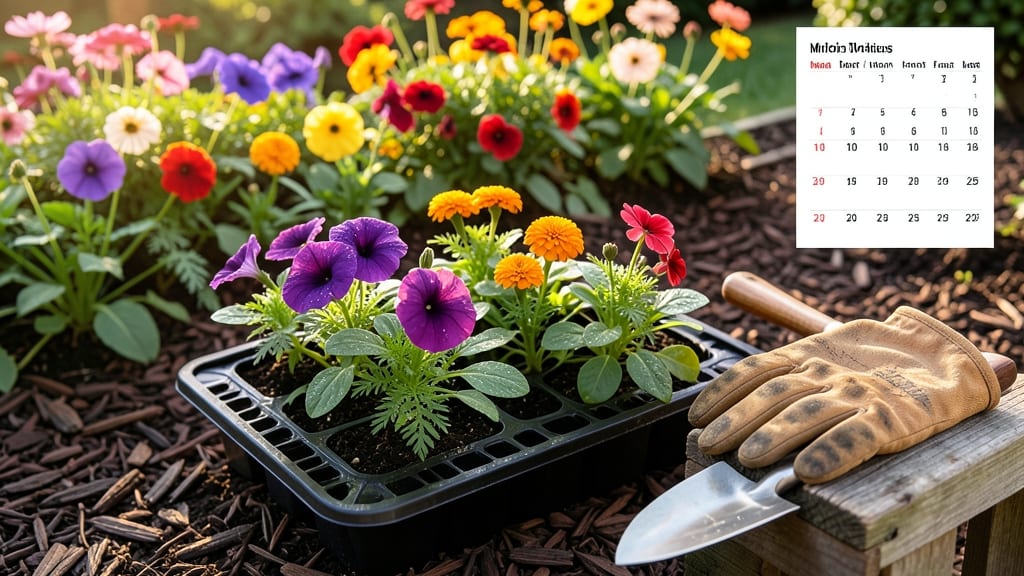
Planting annuals in Michigan at the wrong time can turn your dream garden into a sad, frost-bitten mess—so knowing when to plant annuals in your USDA Zone 5-6 area is the key to success.
Whether you're dreaming of vibrant blooms or a bountiful veggie patch, timing matters more than you might think.
I’ve learned the hard way that Michigan’s unpredictable springs demand patience and planning. One year, my 🌱 pansies thrived because I waited until after the last frost, while my impatience with tomatoes led to a disappointing early crop.
The difference? Knowing your local last-frost dates—and adjusting for microclimates like Detroit’s urban heat islands or Traverse City’s cooler lakeside breezes.
In this guide, I’ll break down the exact month-by-month planting windows for both cool-season and warm-season annuals, plus how to extend your growing season with simple tricks. No more guessing—just a foolproof plan to get your garden off to the right start.
Ready to turn your Michigan garden into a thriving oasis? Let’s dive into the perfect planting schedule that’ll keep your annuals happy from spring to fall.
Michigan last-frost dates by USDA Zone 5-6: when to plant annuals safely
Michigan’s USDA Zones 5 and 6 create distinct planting windows for annuals, with Northern Michigan (Zone 5) facing earlier frosts than Southern Michigan (Zone 6).
The average last-frost dates range from mid-April to early May in the north, while southern regions like Detroit often see frost-free soil by late April. These dates determine whether your cool-season crops like lettuce or warm-season favorites like tomatoes have time to thrive.
For Zone 5 gardeners, the last-frost date typically falls between May 10-20, while Zone 6 can plant 1-2 weeks earlier. However, these are just averages—actual frost dates can vary by 10-14 days depending on microclimates.
Urban areas like Ann Arbor often warm up faster than rural spots, so adjust based on your local frost history.
To maximize your garden’s potential, align your planting with soil temperature and plant hardiness. Cool-season annuals like pansies and spinach can handle light frosts, while tomatoes and peppers need consistent warmth after the last frost. Below is a region-specific planting guide to help you time it right.
| Region | Last Frost Date | First Frost Date | Cool-Season Planting | Warm-Season Planting |
|---|---|---|---|---|
| Northern Michigan (Zone 5) | May 10-20 | October 10-20 | March 15-May 10 | May 20-June 10 |
| Southern Michigan (Zone 6) | April 25-May 10 | October 15-30 | March 1-April 30 | May 10-June 1 |
| Detroit Metro (Zone 6) | April 20-May 5 | October 20-Nov 5 | March 1-April 25 | April 25-May 15 |
| Traverse City (Zone 5) | May 15-25 | October 5-15 | April 1-May 10 | May 25-June 15 |
*Dates are averages—always check local forecasts for real-time adjustments.
For cool-season annuals, start seeds 4-6 weeks before your last frost date. Spinach, kale, and pansies can even handle light frosts, so don’t wait until the last minute.
In contrast, warm-season plants like tomatoes and peppers need soil temperatures above 60°F—wait until 2 weeks after your last frost to transplant them.
If you’re unsure about your local frost dates, use historical data from the Michigan State University Extension or track 32°F lows on local weather apps. Urban areas like Grand Rapids often warm up 1-2 weeks earlier than rural zones, so adjust accordingly.
For extra protection, use frost cloth or row covers to extend your planting window by 2-3 weeks.
Pro tip: Direct-sow fast-growing annuals like radishes or lettuce in early spring, even if frost is still possible. These cold-hardy crops will sprout quickly and tolerate light frosts better than tender seedlings. Meanwhile, slow-growing plants like basil or eggplant should wait until mid-to-late May for Zone 5.
Remember, first frost dates also matter for late-season planting. In Zone 5, expect frost by mid-October, while Zone 6
How to adjust planting times for Michigan’s unpredictable spring weather
Michigan’s spring weather is famously fickle—one day it’s 60°F and sunny, the next it’s 32°F with frost. This unpredictability means average last-frost dates are just a starting point.
To protect your annual flowers and vegetables, you’ll need flexible strategies that account for late frosts, cold snaps, and soil temperature delays. The good news? With the right tools and adjustments, you can extend your growing season by weeks, even in Zone 5-6.
First, always check your local historical frost data—not just the USDA averages. Websites like the Midwest Regional Climate Center or your local cooperative extension office provide 10-year averages that reflect real-world conditions.
For example, Traverse City (Zone 5b) might see its last frost 2 weeks later than Marquette (Zone 4b), even though both are in northern Michigan. Adjust your planting timeline accordingly.
The most critical tool for early spring planting is frost cloth or row covers. These lightweight fabrics raise soil temperature by 5-8°F and shield seedlings from light frosts (28-32°F).
For heat-loving annuals like tomatoes and peppers, use black plastic mulch to warm the soil 10-15°F faster than bare earth. Start these 4-6 weeks before your average last frost date, then remove the mulch once soil hits 60°F.
🌱 5 Key Adjustments for Michigan’s Spring
- 1. Plant cold-hardy annuals (e.g., pansies, snapdragons, lettuce) 4-6 weeks before your last frost date.
- 2. Use a cold frame to start warm-season crops (e.g., basil, marigolds) 3-4 weeks early.
- 3. Monitor soil temperature—aim for 50°F for peas and 60°F for tomatoes before planting.
- 4. Harden off seedlings gradually over 7-10 days to prevent shock from temperature swings.
- 5. Have a backup plan: Keep frost cloth on hand for late-May surprises.
Another game-changer is soil warming. In cold springs, black plastic mulch or straw bales can accelerate soil warming by 2-3 weeks. For containers, use heat mats to keep roots warm until the ground thaws.
If you’re planting warm-season annuals like impatiens or zinnias, wait until after Memorial Day—even then, keep frost cloth nearby for late-May frosts, which aren’t uncommon in Zone 5.
Don’t forget about microclimates. A south-facing wall or sunny slope can create a 5-10°F warmer pocket than your yard’s average. Plant heat-sensitive annuals (e.g., cosmos, sunflowers) in these spots to extend their bloom time into fall.
Conversely, shady areas may stay colder longer—adjust planting times 1-2 weeks later for these spots.
Finally, track your personal last-frost date for 3 years to refine your schedule. Write down the dates of every frost in spring and fall, then average them. This localized data will help you plant with confidence, even if it means waiting until June 1 instead of May 15.
With these adjustments, you’ll maximize your Michigan growing season and enjoy longer blooms and bigger harvests.