
Plants
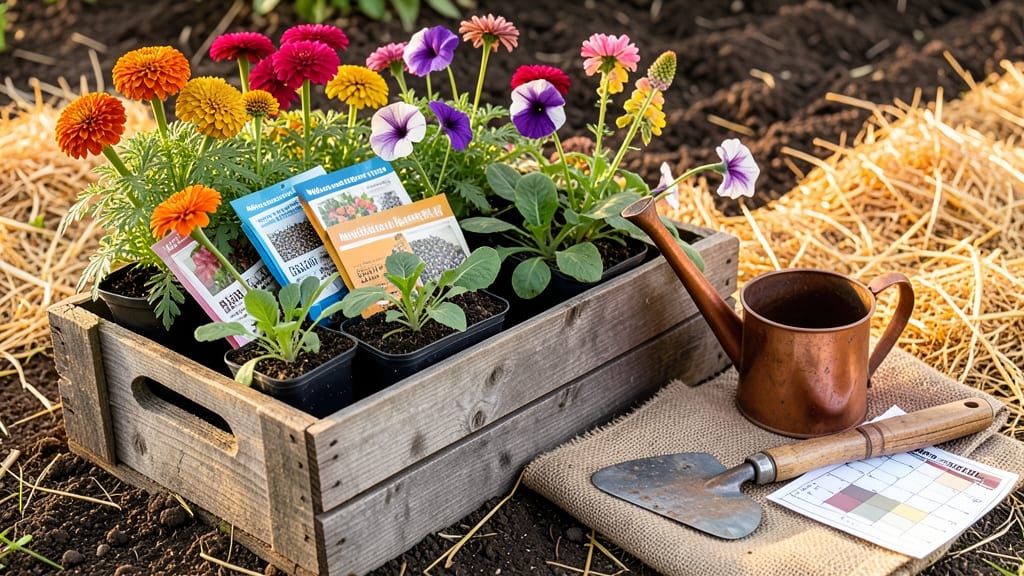
Timing when to plant annuals in NJ just right means the difference between vibrant blooms and a frost-killed garden. The perfect planting window shifts dramatically from North Jersey’s chilly coast to South Jersey’s warmer inland areas, and getting it wrong can cost you the entire growing season.
I’ve spent years watching my 🌱 annuals thrive—and sometimes fail—based on when they hit the soil. Whether you’re planting sun-loving zinnias or cool-season lettuce, knowing the last frost dates for your county is the key to avoiding those heartbreaking early-morning freezes.
Let’s break down exactly when to plant for zero-frost success, so you can enjoy a summer garden that pops.
From coastal Cape May to the hills of Sussex County, NJ’s microclimates create wildly different planting schedules. Some areas can safely tuck in heat-loving petunias by mid-April, while others should wait until late May to avoid surprise frosts.
I’ll show you how to match your location to the ideal timeline—no guesswork required.
Ready to skip the trial-and-error? You’ll discover county-specific deadlines, smart tricks to extend your season, and the best annuals for NJ’s short but sweet growing window. Let’s get those seeds in the ground at the perfect moment.
NJ county planting deadlines for annuals: avoid frost and maximize blooms
New Jersey’s last frost dates vary dramatically from North Jersey’s chilly USDA Zone 6a to South Jersey’s milder Zone 7a. In Bergen County, for example, the average last frost hits May 15, while Cape May gardeners can plant frost-sensitive annuals as early as April 15.
These differences mean your cosmos seeds might thrive weeks earlier in Atlantic City than in Morris County.
Timing matters because frost-sensitive annuals like marigolds and basil can’t survive even a light freeze. My rule of thumb? Wait until soil temperatures hit 60°F—use a soil thermometer to check. Coastal areas warm faster, but inland spots like Hunterdon County often lag behind by 10-14 days.
Here’s the critical window: North Jersey (Bergen, Passaic, Essex): Plant after May 15. Central Jersey (Mercer, Middlesex, Monmouth): Ready by May 1. South Jersey (Atlantic, Cape May, Gloucester): Start as early as April 15 for heat-lovers like zinnias and sunflowers.
Pro tip: Use row covers to push warm-season annuals like petunias 2-3 weeks earlier in Zone 6a. I’ve successfully planted geraniums in late April under floating row covers in Sussex County—they bloomed by Memorial Day!
| Region | Avg Last Frost | Safe Planting Window | Heat-Tolerant Picks |
|---|---|---|---|
| North Jersey (Bergen, Passaic) | May 15 | After May 22 | Zinnias, Marigolds, Basil |
| Central Jersey (Mercer, Middlesex) | May 1 | After April 25 | Cosmos, Sunflowers, Petunias |
| South Jersey (Atlantic, Cape May) | April 15 | After April 1 | Lantana, Portulaca, Sweet Potatoes |
| All Regions | First Frost | Late Oct - Early Nov | Pansies, Kale, Snapdragons |
🌱 Note: Coastal areas warm 1-2 weeks earlier than inland
For cool-season annuals like lettuce or spinach, you can plant 4-6 weeks before your last frost date. In Ocean County, that means mid-March for hardy greens. But watch for late spring frosts—I’ve seen 28°F temps in April even in Cumberland County!
Don’t forget succession planting for bush beans or basil. In my Monmouth County garden, I plant basil seeds every 2 weeks from May 1 to June 15 to ensure a continuous harvest.
This works because basil bolts in 90°F+ heat, so staggered plantings keep me in business all summer.
If you’re container gardening, microclimates matter even more. A south-facing patio in Hudson County might be 5-10°F warmer than your yard. Use this to your advantage—plant heat-lovers like geraniums in containers first, then transition to the ground after May 30.
For vegetable annuals, tomatoes and peppers need 70°F+ soil. In Burlington County, I wait until late May to plant tomato seedlings—any earlier, and blossom end rot ruins my crop. Cucumbers, on the other hand, tolerate cooler soil and can go in 2 weeks earlier.
Remember: Frost dates
How to extend your NJ annual planting season with smart techniques
New Jersey’s short growing season doesn’t mean you’re stuck with a few weeks of color. With the right strategies, you can extend your planting windows by weeks—or even months—giving your annual flowers and vegetables more time to thrive.
The key? Understanding how to protect tender plants from late frosts and heat-sensitive varieties from summer’s intensity.
I’ve tested these techniques in my own NJ garden, and they’ve helped me enjoy zinnias blooming until October and basil thriving through July’s heat waves**. Whether you’re in North Jersey’s cooler microclimates or South Jersey’s humid summers, these methods will give you an edge.
Let’s dive into the proven tactics that work for NJ gardeners.
- 1. Use row covers to protect cool-season annuals (like lettuce) until May 15 in most of NJ. Lightweight fabric traps heat while allowing sunlight.
- 2. Start heat-lovers indoors (e.g., marigolds, basil) 4-6 weeks before your last frost date. Transplant after May 10 for coastal areas or May 20 inland.
- 3. Try cold frames for early spring planting of pansies or calendulas. They can add 2-3 weeks of growing time before last frost.
- 4. Succession plant fast-growing annuals like bush beans or cosmos every 2 weeks from May through July for continuous blooms.
- 5. Choose heat-tolerant varieties such as celosia, sunflowers, or Swiss chard for late summer planting (after July 4).
For cool-season annuals like pansies or lettuce, I swear by floating row covers. They create a microclimate that can delay frost damage by 10-14 days.
In my Bergen County garden, this means I can plant spinach as early as March 20 instead of waiting until April 15. Just remember to remove covers during the day to prevent overheating.
If you’re dealing with South Jersey’s humidity, focus on airflow and disease-resistant varieties. Try succession planting zinnias every 3 weeks from May through August—this ensures you’ll always have fresh blooms, even as old ones fade.
I’ve found that ‘Benary’s Giant’ zinnias handle our heat better than most, giving me 6-8 weeks of vibrant color.
Don’t overlook container gardening as a way to extend your season. Pots warm up faster in spring, so you can plant petunias or geraniums 2 weeks earlier than in-ground. Plus, you can move containers to shadier spots during peak summer heat.
My container basil thrives when I place it under the eaves of my deck during the hottest afternoons.
Finally, keep an eye on local weather forecasts and USDA frost maps. While average last frost dates are a good guide, NJ’s weather is unpredictable.
I’ve learned to adjust my planting timeline based on 7-day forecasts—if a cold snap is predicted, I’ll delay planting tender annuals like impatiens until after May 30, even if the "official" date is earlier.