
Plants
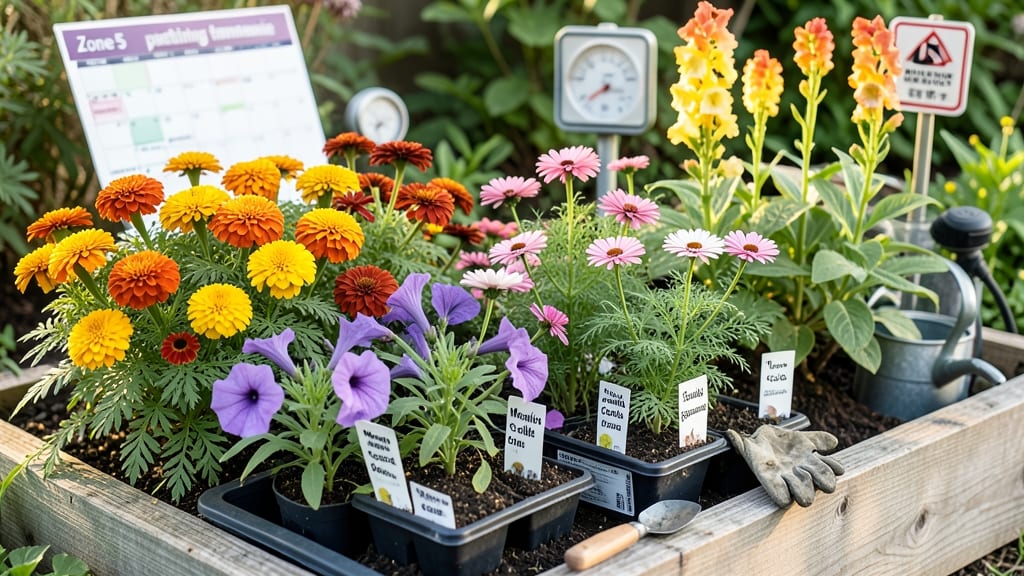
Planting annuals in Zone 5 isn’t just about avoiding frost—it’s about catching that perfect 6-week window where your 🌱 blooms and veggies thrive instead of bolt or rot. Skip the guesswork, and you’ll save yourself from wasted seeds and disappointed garden beds.
I’ve learned the hard way that cool-season plants like pansies need to go in early, while heat-lovers like marigolds wait until the soil warms. The key? Knowing your last frost date—and adjusting for those unpredictable spring swings that make Zone 5 gardening both challenging and rewarding.
In this guide, I’ll break down the exact deadlines for spring and fall plantings, plus pro tips to stretch your growing season. Whether you’re a beginner or a seasoned gardener, these strategies will help you maximize every square foot of your garden.
Ready to turn your garden into a vibrant haven? Let’s dive into the timing secrets that’ll make your annuals flourish all season long.
Zone 5 annual planting deadlines by frost date (with heat-tolerance adjustments)
In Zone 5, the difference between a thriving annual garden and a failed one often comes down to timing. Your last spring frost typically arrives between April 15-30, while the first fall frost hits around October 15-30.
But these dates are just starting points—soil temperature and plant heat tolerance matter just as much as frost dates.
Cool-season annuals like lettuce and peas can handle light frosts, while warm-season varieties like tomatoes and marigolds need soil temperatures above 60°F. Planting too early can stunt growth, while waiting too long risks bolting or premature flowering.
Here’s how to align your planting with Zone 5’s frost-free windows, adjusted for heat tolerance and regional microclimates:
| Plant Type | Heat Tolerance | Spring Planting Window | Fall Planting Window | Soil Temp Requirement |
|---|---|---|---|---|
| Cool-Season Annuals (Lettuce, Spinach, Kale) | Tolerates frost | Early April (4-6 weeks before last frost) | Mid-August (6-8 weeks before first frost) | 45-65°F |
| Warm-Season Annuals (Tomatoes, Peppers, Marigolds) | Needs warmth | After May 15 (soil >60°F) | Late July (fast-maturing varieties only) | 60-85°F |
| Half-Hardy Annuals (Cosmos, Zinnias, Radishes) | Moderate tolerance | Late April (2-3 weeks before last frost) | Early September (8 weeks before first frost) | 50-75°F |
| Fast-Maturing Annuals (Bush Beans, Lettuce 'Salad Bowl') | Flexible | April 15-May 1 (succession plant) | August 1-September 15 | 50-70°F |
Pro Tip: Use a soil thermometer to verify warmth before planting heat-lovers.
For spring planting, start cool-season crops like spinach and peas 4-6 weeks before your average last frost date. If your area has early frosts, opt for cold-hardy varieties like 'Winter Density' lettuce or 'Sugar Snap' peas.
Warm-season plants should wait until soil temperatures consistently stay above 60°F—usually mid-to-late May in most of Zone 5.
Fall planting in Zone 5 rewards patience. Cosmos and zinnias can handle light frosts, while radishes and bush beans mature quickly enough to harvest before winter sets in. Aim to plant these by late July to early September, choosing fast-maturing varieties (e.g., 'Cherry Belle' radishes in 25 days).
Microclimates play a huge role in Zone 5. South-facing beds warm up faster in spring, while north-facing areas may need row covers for early plantings. If you’re unsure about frost dates, use the National Weather Service’s frost calendar for your specific city or town.
For example, Chicago’s last frost is later than Minneapolis’, so adjust accordingly.
Succession planting is your secret weapon in Zone 5’s short season. Instead of one big planting, stagger lettuce, bush beans, and radishes every 2-3 weeks from April through July.
This ensures a continuous harvest and minimizes wasted space. For warm-season crops, try container gardening—pots warm up faster and can be moved to sunnier spots as needed.
Don’t forget to harden off seedlings before transplanting. If you started plants indoors, expose them to outdoor conditions for 7-10 days before planting, gradually increasing their time outside. This reduces transplant shock and helps them establish faster in Zone 5’s variable spring weather.
For fall extensions, use row covers or cold frames to protect tender annuals like basil or swiss chard from early frosts. Even a lightweight frost blanket can add 2-4 weeks to your growing season.
Pair this with fast-maturing varieties, and you’ll enjoy fresh herbs and greens well into October.
Zone 5 annual planting deadlines by frost date (with heat-tolerance adjustments)
Zone 5’s last frost date typically lands between April 15-30, but don’t let that single date dictate your planting schedule. Cool-season annuals like lettuce and peas can handle light frosts, while warm-season stars like tomatoes and marigolds need soil temps above 60°F to thrive.
I’ve mapped out exact windows below—because planting too early risks frost damage, while waiting too long means bolting or stunted growth.
For spring plantings, cool-season crops (think spinach, pansies) can go in 4-6 weeks before last frost, while warm-season powerhouses like basil and petunias wait until 2 weeks after that date.
Fall? The reverse applies—plant heat-loving cosmos by July 15 for a late-season show, but kale and radishes can handle first frost if sown by August 15.
🌱 Pro Tip: Use a soil thermometer—warm-season plants won’t germinate below 60°F, even if air temps feel spring-like. My 2023 lesson? Planting tomato seeds in 50°F soil just delayed harvests by 3 weeks.
| Plant Type | Spring Planting Window | Fall Planting Window | Soil Temp Requirement |
|---|---|---|---|
| Cool-Season (Lettuce, Peas, Pansies) | 4-6 weeks before last frost | 8-10 weeks before first frost | 45-60°F |
| Warm-Season (Tomatoes, Marigolds, Basil) | 2 weeks after last frost | N/A (or start indoors) | 60°F+ |
| Tolerant Annuals (Cosmos, Zinnias, Radishes) | After last frost | Up to 6 weeks before first frost | 50-70°F |
🌡️ Note: Adjust for microclimates—south-facing beds warm faster!
Microclimates are your secret weapon in Zone 5. A south-facing bed might hit 60°F soil a week earlier than a north-facing one. I’ve planted tomatoes in my sunniest spot by May 1 every year—while my neighbor’s June 1 plantings catch up by July.
Shade from trees? Opt for partial-shade annuals like coleus or impatiens, which thrive in 4-6 hours of sun.
Don’t overlook succession planting—it’s how I’ve kept a continuous harvest of bush beans from June to September. Sow a new batch every 2 weeks after your first planting date, and you’ll avoid the 3-week gap that kills homegrown veggie momentum.
For flowers, marigolds sown in June often outperform May plantings by fall.
🌿 Remember: Your first frost date (typically October 15-30) isn’t a hard stop for all annuals. Kale, broccoli, and pansies sweeten with frost, while cosmos and zinnias keep blooming until first hard freeze.
Plan your fall garden around these tough survivors to squeeze extra beauty (and food) from your beds.