
Plants
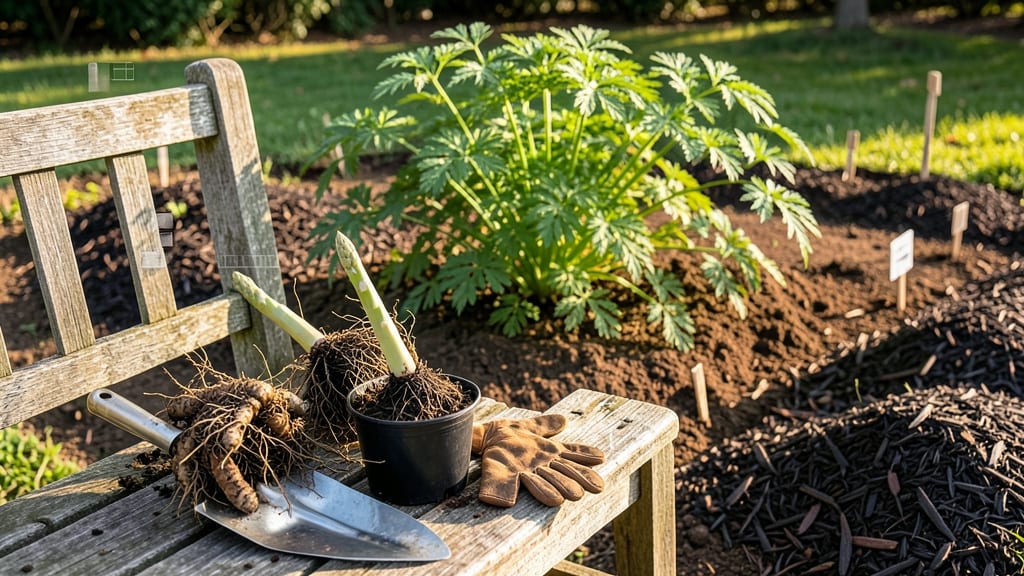
Planting asparagus in Alabama at the wrong time means waiting years for that first harvest—because these 🌱 perennials need patience to establish roots before they’ll give you spears.
The key window for Alabama gardeners (USDA zones 7b-8a) is late winter to early spring, but timing varies by county—get it wrong, and you’ll either have frost damage or stunted growth.
Why does this matter? Unlike annuals, asparagus crowns take 2-3 years to mature, so planting them too early in cold zones (like Madison County) or too late in warmer areas (like Baldwin County) can set you back.
The secret? Align your planting with your last frost date—typically around March 15—and adjust for microclimates where nighttime temps still dip.
Here’s what you’ll discover: the exact frost-free planting windows for Alabama’s heat zones, how to prep soil for sandy or clay-heavy areas, and why spacing crowns 12-18 inches apart makes all the difference.
Plus, I’ll share my go-to varieties for Alabama’s heat and how to protect young shoots from late frosts—so you can finally enjoy that first harvest by April.
Ready to skip the guesswork? Let’s dive into the step-by-step guide that’ll have your asparagus thriving for decades—not just next season.
Alabama asparagus planting dates by heat Zone (2024 guide)
Alabama’s USDA Zones 7b-8a offer a 200-day frost-free season, perfect for growing asparagus. But timing matters—plant too early, and late frosts will kill tender crowns; too late, and your harvest arrives too late for peak flavor.
The ideal window is 4-6 weeks before your last frost date, typically February to early March for most counties.
Northern Alabama (e.g., Madison, Jefferson counties) have cooler microclimates, while southern regions like Baldwin and Mobile can start earlier. I’ve broken down the best planting dates by zone and method—whether you’re using 1-year-old crowns (most common) or seeds (slower but rewarding).
Pro Tip: Use local frost data from the Alabama Agricultural Statistics Service to fine-tune your timing. For example, Huntsville’s last frost is often March 15, while Mobile’s is March 1.
| County/Zone | Last Frost Date | Best Planting Window | Crown Depth | Spacing |
|---|---|---|---|---|
| Baldwin (Zone 8a) | Feb 28 - Mar 5 | Feb 15 - Mar 1 | 6-8 inches | 12-18 inches apart |
| Jefferson (Zone 7b) | Mar 15 | Feb 28 - Mar 15 | 6-8 inches | 12-18 inches apart |
| Madison (Zone 7b) | Mar 15 | Feb 28 - Mar 15 | 6-8 inches | 12-18 inches apart |
| Mobile (Zone 8b) | Feb 20 - Feb 28 | Jan 30 - Feb 15 | 6-8 inches | 12-18 inches apart |
| Montgomery (Zone 7b) | Mar 10 - Mar 15 | Feb 20 - Mar 5 | 6-8 inches | 12-18 inches apart |
For seed planting, start indoors 8-10 weeks before your last frost date. Alabama gardeners in Zone 8a can direct-sow seeds as early as January 15, while Zone 7b areas should wait until February 15.
Seeds take 2-3 years to mature, so crowns are the faster choice for most.
If you miss the spring window, fall planting is possible in southern Alabama (Zones 8a-8b). Aim for September 15-October 1—this gives crowns time to establish roots before winter. However, northern counties should avoid fall planting due to frost risk.
After planting, mulch heavily (3-4 inches) with straw or pine needles to protect crowns from temperature swings. In Alabama’s humid climate, this also prevents soil-borne diseases like fusarium wilt, which thrives in wet conditions.
Remember: First-year harvests are off-limits. Focus on establishing a strong root system. By Year 3, your asparagus bed will reward you with 6-8 weeks of spears—starting in late April to early May.
🌱
How to adjust planting for Alabama’s microclimates and soil conditions
Alabama’s varied microclimates and soil types can drastically affect your asparagus success. For instance, Mobile’s sandy soil drains too quickly, while Montgomery’s clay can suffocate roots. Understanding these challenges helps you adjust planting times and soil prep for optimal growth.
In humid regions like Birmingham, late frosts can linger into early April, delaying planting. Meanwhile, coastal areas like Baldwin County often see milder winters, allowing earlier crown planting.
Always check your local last frost date—typically around March 15—but adjust 1-2 weeks earlier or later based on your microclimate.
🌱
To combat poor soil drainage, amend clay soils with compost and sand (1:1 ratio) before planting. For sandy soils, mix in organic matter like peat moss to retain moisture. Test your soil’s pH (6.5-7.0)—asparagus thrives in slightly acidic to neutral conditions.
Mulching is critical in Alabama’s heat. Apply 3-4 inches of mulch (straw or pine needles) after planting to retain moisture and regulate soil temperature. In dry inland areas like Huntsville, mulch helps prevent soil from cracking, which can expose roots to extreme heat.
Watering strategies must adapt to your region. Coastal areas (high humidity) need less frequent watering (every 10-14 days), while drier northern counties may require weekly deep watering. Always water in the morning to reduce fungal risks from Alabama’s high humidity.
If planting in fall (September-October), choose cold-hardy varieties like ‘Mary Washington’ and ensure crowns are planted 6-8 weeks before first frost. Fall planting is riskier in Zone 7b due to early frosts, but it can extend your harvest window in Zone 8a.