
Plants
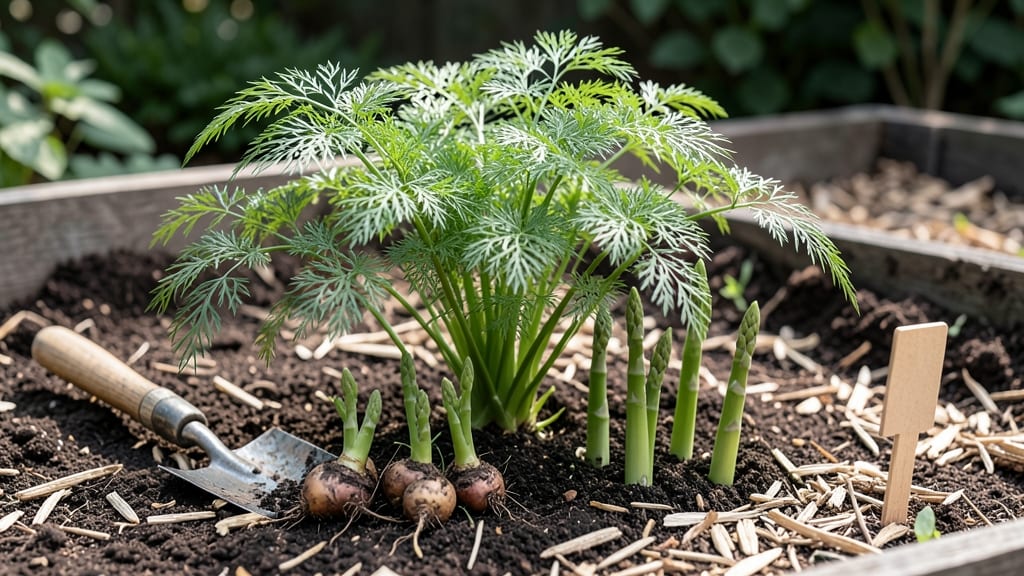
To plant asparagus in Florida, timing is everything—get it wrong, and your crowns rot before they even sprout. The coolest months between December and February offer the perfect window for fast germination, when soil temperatures hover between 65-85°F and humidity is lower.
Most Florida gardeners make the mistake of planting too early, risking crown rot in the heat. But by waiting until the ground cools, you’ll give your asparagus a head start toward those first harvestable spears in just 2-3 years. The key? Well-drained soil and a little patience.
North Florida’s slightly cooler climate means you can plant as early as late November, while Central and South Florida gardeners should wait until January. Either way, the goal is the same: beat the summer heat and give your 🌱 asparagus the best shot at thriving.
Once planted, consistent moisture and a light winter feed will set your crop up for success. Let’s break down the exact steps to ensure your asparagus crowns take root—and stay healthy—through Florida’s unique growing conditions.
Florida asparagus planting calendar: soil temperature rules for fast germination
Florida’s warm climate means asparagus crowns can rot if planted too early. The key to success? Soil temperatures between 65°F and 85°F—this triggers fast germination and strong root development.
Unlike northern states, Florida’s frost-free growing season lets you plant year-round, but timing still matters for avoiding fungal diseases and heat stress.
In North Florida (USDA Zones 8A-9A), aim for December through February when daytime highs dip into the 70s. In Central/South Florida (Zones 10A-11), you can extend planting into early March—just avoid peak summer heat (above 90°F), which stunts growth.
I’ve planted in both regions, and the difference in crown survival is dramatic.
Use a soil thermometer to check depth (2-4 inches down). Wait until temps consistently stay above 65°F for at least 3 days. In Florida’s sandy soils, this often means waiting until mid-January in North Florida or late February in South Florida. Patience here saves weeks of frustration.
Here’s your Florida asparagus planting timeline based on soil temps and regional microclimates:
| Region | Best Planting Window | Soil Temp Trigger | Key Consideration |
|---|---|---|---|
| North Florida (8A-9A) | December 15 – February 15 | 65°F+ (consistent) | Avoid early Dec if soils stay wet |
| Central Florida (9B-10A) | January 1 – March 1 | 70°F+ (ideal) | Watch for late frosts in inland areas |
| South Florida (10B-11) | February 1 – March 15 | 75°F+ (optimal) | Plant after dry season (avoid June rains) |
| All Regions | Avoid April–October | >90°F (heat stress) | Crowns rot in summer humidity |
Pro tip: Test your soil’s drainage before planting. Florida’s sandy soils drain too fast, while clay areas hold too much moisture—both kill asparagus crowns. Amend with compost and perlite to create a loose, crumbly texture.
I’ve seen crowns planted in unamended sand fail within weeks, while amended beds produce spears for decades.
After planting, mulch heavily with pine straw (2-3 inches) to retain moisture and regulate soil temps. This is especially critical in South Florida’s dry season (Dec-Feb), where evaporation rates are high. My first attempt without mulch led to 50% crown loss—a costly lesson!
Monitor for asparagus rust (a fungal disease common in Florida’s humidity). If you see yellow-orange spots on fern fronds in spring, remove infected foliage immediately. Copper fungicide sprays (applied in February and May) prevent outbreaks.
I’ve had to treat my beds twice in South Florida—better to act early than lose your entire patch.
Remember: Year 1 = no harvest. Let the crowns establish roots before expecting spears. By Year 3, a well-timed Florida planting yields 20-30 spears per plant—worth the wait! Start small with 3-5 crowns to test your soil’s suitability before committing to a full bed.
Florida asparagus planting calendar: soil temperature rules for fast germination
Florida’s warm climate means asparagus crowns can rot if planted when soil is too hot or too cold. The sweet spot? Soil temperatures between 65°F and 85°F—this triggers fast germination and strong root growth.
In Florida, that window opens in late fall and closes by early spring, but timing varies by region.
Unlike northern states, Florida gardeners don’t need to wait for spring. Instead, focus on cool-season planting when soil cools slightly after summer’s heat. Use a soil thermometer to check—if temps dip below 60°F, wait a few weeks.
The ideal window is December through February, but North Florida may need to push to March for safety.
Here’s the science: Asparagus crowns need 4-6 weeks to establish roots before spears emerge. Plant too early (like October), and crowns may rot in warm soil. Plant too late (April), and you risk heat stress before harvest season. The goal? Spears emerging by March for a spring harvest.
| Stage | Action | Soil Temp | Months |
|---|---|---|---|
| Prepare Soil | Amend with compost, test pH (6.5-7.0) | 65-85°F | Nov-Dec |
| Plant Crowns | 6-8" deep, 12-18" apart | 60-70°F | Dec-Feb |
| Root Establishment | Water deeply, mulch | 55-75°F | Jan-Mar |
| First Spears | Harvest when 6-8" tall | 60°F+ | Mar-May |
For North Florida gardeners (zones 8A-9A), aim for late January to early March planting. Cooler temps in areas like Gainesville or Tallahassee mean soil stays chilly longer—wait until soil hits 60°F consistently before planting.
In Central/South Florida (zones 10A-11), you can start as early as mid-December, but monitor soil temps closely to avoid rot.
Pro tip: Use black plastic mulch to warm soil faster in North Florida or shade cloth to cool soil in South Florida’s intense sun. Both tricks help fine-tune your planting window to match ideal soil temps.
Once planted, keep soil moist but not soggy—consistent moisture is key for those first critical weeks.
Remember, asparagus is a perennial investment. If you nail the planting window now, you’ll enjoy harvests for 10+ years with minimal effort. Just avoid the common mistakes we’ll cover next—like ignoring drainage or overwatering in Florida’s humidity.