
Plants
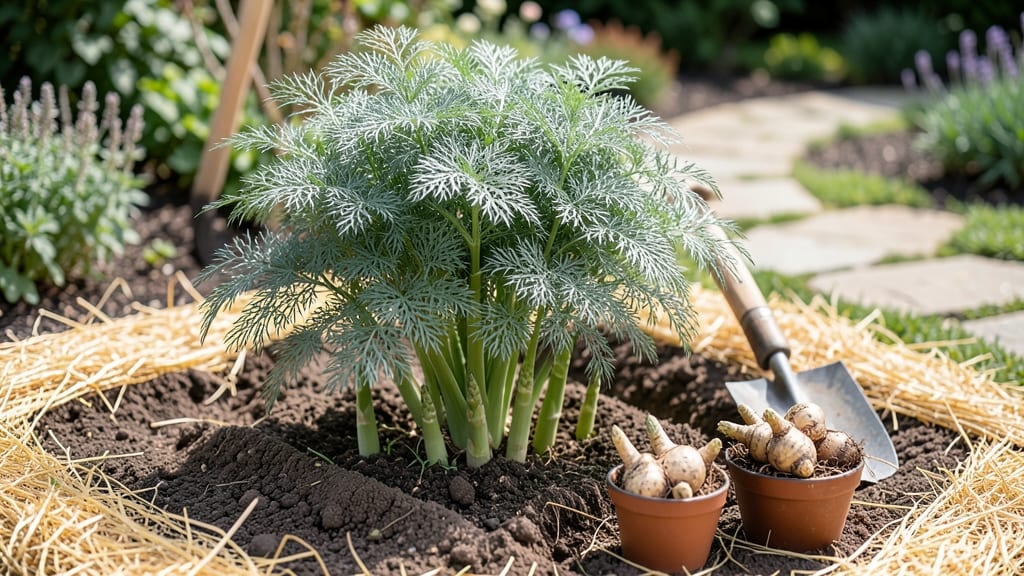
Planting asparagus in North Texas can feel like a gamble—get the timing wrong, and you’ll either lose everything to frost or miss the perfect growing window.
The key to success lies in understanding exactly when to plant your 🌱 asparagus crowns so they establish strong roots before the heat of summer arrives.
In Zone 8a, where last frosts typically linger around mid-March, the ideal window opens in late winter—think January to early March. This gives your asparagus time to develop before the soil warms, ensuring those first tender spears appear by late spring.
But here’s the catch: rushing too early can leave your plants vulnerable, while waiting too long might mean stunted growth.
What makes North Texas unique? The rapid shift from cool winters to scorching summers demands precise timing. We’ll break down the exact steps to prepare your soil, choose the right planting method, and avoid common mistakes that could derail your harvest.
Trust me, getting this right means years of homegrown asparagus—no grocery store substitutes needed.
Ready to turn your garden into a spear-producing powerhouse? Let’s dive into the step-by-step strategy that’ll have your asparagus thriving from year two onward. The best part? Once established, this perennial veggie will reward you for decades with minimal effort.
North Texas asparagus planting calendar: best months by hardiness Zone
North Texas spans USDA Hardiness Zones 7b-8b, where frost dates can swing wildly from year to year. For asparagus crowns, your ideal planting window is 4-6 weeks before your last frost date—typically mid-February to early March.
But if you’re planting asparagus seeds (slower but cheaper), start them indoors 8-10 weeks before transplanting in late March.
Why this timing? Asparagus crowns need soil temperatures above 50°F to root properly, but they’ll bolder if planted too early and hit a late frost. In Zone 7b, aim for February 15-March 1; in Zone 8b, stretch to March 1-April 1.
Pro tip: Check Almanac’s Frost Calculator for your exact North Texas county—it’s your best friend for avoiding frost surprises.
Here’s the golden rule: Plant asparagus when soil temps hit 50°F but before daytime highs exceed 75°F. In North Texas, that usually means late winter to early spring.
If you miss this window, fall planting is your backup—aim for September-October when soil temps drop below 80°F but stay above 60°F.
| Stage | Action | North Texas Zone 7b | North Texas Zone 8b |
|---|---|---|---|
| Soil Prep | Test pH (6.5-7.5), amend soil | January-February | January-March |
| Crown Planting | 4-6 weeks before last frost | February 15-March 1 | March 1-April 1 |
| Seed Starting (Indoors) | 8-10 weeks before transplant | January-February | February-March |
| Transplant Seeds | After last frost, soil 50°F+ | Late March | Early April |
| Fall Backup Planting | Soil 60-80°F, no frost risk | September-October | September-October |
| First Harvest | Year 2-3 after planting | Late April-May | Late April-May |
North Texas’ unpredictable springs mean you might face a late frost in April or 90°F heat by May. To hedge your bets, plant asparagus crowns in trenches—bury them 6-8 inches deep and 12-18 inches apart.
This protects them from temperature swings and gives roots room to spread. For seeds, start them in biodegradable pots indoors under grow lights to avoid transplant shock.
If you’re in East Texas (Zone 7b), err on the earlier side (February)—cooler soils take longer to warm. In West Texas (Zone 8b), stretch to early April to avoid summer heat stress.
Remember: Asparagus is a perennial, so year 1 is all about root establishment. You won’t harvest until year 2 or 3, but patience pays off with 20+ years of harvests if planted correctly.
For container growing in North Texas, use 5-gallon pots with drainage holes and plant one crown per pot. Place containers in full sun and water daily during summer heat.
Containers warm up faster than ground soil, so plant them 2 weeks later than your ground planting date to avoid heat stress.
One common mistake in
How to prepare North Texas soil for asparagus success (before planting)
North Texas soil can be tricky—especially the clay-heavy variety that dominates many yards. Asparagus hates soggy roots, so proper prep is your first line of defense against rot. Start by testing your soil pH; asparagus thrives in 6.5–7.5 range.
If your soil is too acidic, mix in lime (1–2 pounds per 100 sq ft) 2–3 months before planting.
Next, focus on organic matter. Asparagus roots need loose, well-draining soil to spread properly. Amend your bed with 3–4 inches of compost or well-rotted manure. For heavy clay, consider raising beds with a mix of sand and compost (50/50 ratio) to improve aeration and drainage.
🌱
Don’t forget to clear weeds thoroughly before planting. Asparagus is a perennial that lives for 10+ years, so competition from weeds will only get worse over time. Use a mulch layer (2–3 inches of straw or wood chips) to suppress weeds and retain moisture.
For companion planting, pair asparagus with tomatoes, basil, or marigolds to deter pests naturally. Avoid planting near potatoes or onions, as they compete for nutrients and attract similar pests. If your yard has poor drainage, consider planting on a slight mound to prevent waterlogging.
Finally, water deeply 1–2 weeks before planting to settle the soil. This helps roots establish faster once you plant your asparagus crowns. Aim for 1–1.5 inches of water per week, adjusting for North Texas heat. A drip irrigation system is ideal for consistent moisture without wetting the foliage.
With these steps, your North Texas soil will be prime asparagus real estate, ready for planting in the perfect window. The key is preparation now to avoid headaches later—especially in our unpredictable climate.