
Plants
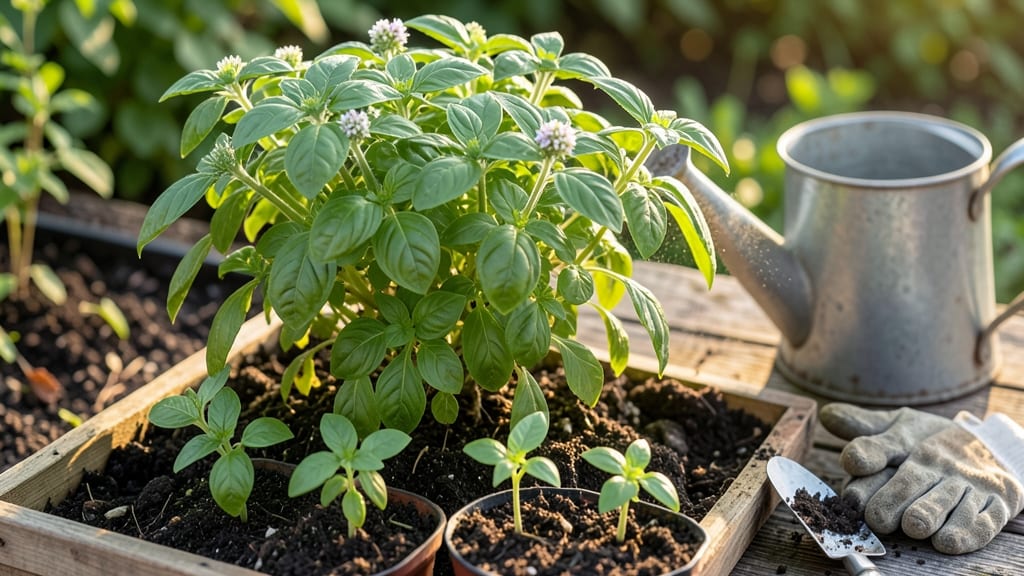
Timing your basil planting in Oregon isn't just about the calendar—it's about dodging those sneaky late frosts that can turn your tender seedlings into sad, wilted memories. 🌿 With USDA Zones 8a-9a bringing warm days but unpredictable nights, waiting until after the last frost date (usually late April to early June) is your first line of defense for lush, flavorful plants.
Here's the catch: coastal Oregon stays cooler longer than inland areas, so Willamette Valley gardeners might wait until early May, while Portlanders can often start in late April.
The key is soil temperature—basil needs at least 50°F to thrive, and those chilly mornings can stall growth or worse, kill young plants.
Whether you're sowing seeds directly or transplanting starts, getting this right means the difference between a basil bounty from June to October and a season of disappointment. I'll walk you through the exact windows for your microclimate, plus how to stretch your harvest with smart succession planting.
Ready to grow basil that's bold, fragrant, and ready for your kitchen? Let's dive into the perfect planting schedule for Oregon's unique climate—no more guessing, just thriving plants.
Best planting times for basil in Oregon’s USDA Zones 8-9
Oregon’s USDA Zones 8-9 offer a perfect window for growing basil, but timing is critical to avoid frost damage or stunted growth. The average last frost date in most of Oregon falls between mid-April and early May, with coastal areas like Astoria often waiting until late May.
Inland regions like Bend or Redmond can plant 2-3 weeks earlier due to warmer microclimates.
For direct sowing, aim to plant basil seeds 2-3 weeks after your last frost date. This typically means late April to early May in the Willamette Valley and mid-May along the coast.
If you’re transplanting seedlings, start them indoors 6-8 weeks before your last frost date for an early June outdoor transition.
Soil temperature is just as important as air temperature. Basil seeds need soil that’s at least 50°F to germinate properly. Use a soil thermometer to confirm—cold soil will delay or prevent sprouting entirely. In Oregon’s cooler springs, consider using black plastic mulch to warm the soil faster.
Here’s a quick reference for Oregon’s key regions and their ideal planting windows:
| Region | Last Frost Date | Direct Sow Window | Transplant Window |
|---|---|---|---|
| Willamette Valley (Eugene, Salem) | April 15–May 1 | Late April–Early May | Early May–Early June |
| Portland Metro | April 20–May 5 | Late April–Early May | Early May–Mid-June |
| Coastal (Astoria, Newport) | May 10–15 | Mid–Late May | Late May–Early June |
| Inland (Bend, Redmond) | April 1–15 | Early April–Mid-April | Mid-April–Early May |
If you’re growing basil in containers, you can extend your planting window by 2-3 weeks since pots warm up faster. Place containers in a sunny, sheltered spot and use self-heating seedling mats to jumpstart germination in cooler areas. Just ensure your container has drainage holes—basil hates soggy roots.
For a continuous harvest, consider succession planting every 2 weeks from late April through early July. This ensures you always have fresh basil for pesto, salads, or garnishes. Just be mindful of Oregon’s unpredictable summer weather—heatwaves can stress basil, while sudden rain may invite fungal diseases.
Pro tip: Mark your calendar for October 15, Oregon’s average first frost date. Most basil plants won’t survive frost, so plan to harvest or bring potted plants indoors before temperatures dip below 50°F at night.
With the right timing, you can enjoy homegrown basil from June through September—just in time for summer cooking! 🌿
One common mistake is planting basil too early in hopes of a longer season. Cold soil and chilly nights will stunt growth, making your plants leggy and weak.
Always wait for consistent daytime temps above 60°F and nighttime temps above 50°F before planting. Patience here pays off with bold, flavorful leaves! ✂️
Best planting times for basil in Oregon’s USDA Zones 8-9
Oregon’s USDA Zones 8a-9a offer a narrow window for growing basil successfully, but getting the timing right means the difference between a thriving herb garden and a failed experiment.
The last frost date varies dramatically across the state—coastal areas like Astoria may see frost as late as May 15, while inland spots like Bend can be frost-free by April 15.
For most gardeners in the Willamette Valley and Portland, aim for late April to early May for direct sowing.
If you’re transplanting seedlings, you can push things slightly earlier—mid-April in sheltered microclimates—but always wait until soil temperatures hit at least 50°F.
Cold soil stunts growth, and basil seedlings are particularly sensitive to chilly nights below 40°F. I’ve seen too many gardeners rush planting only to watch their basil turn yellow and leggy from stress.
Here’s the golden rule for Oregon gardeners: Wait until the nighttime temperatures consistently stay above 50°F. This usually aligns with mid-May for coastal regions and early May for inland areas.
Using a soil thermometer takes the guesswork out of it—no more waiting for a calendar date that might not match your microclimate.
| Region | Last Frost Date | Ideal Planting Window | Soil Temp Requirement |
|---|---|---|---|
| Coastal (Astoria, Cannon Beach) | Mid-May | Late May - Early June | 55°F+ |
| Willamette Valley (Eugene, Salem) | Early May | Late April - Early May | 50°F+ |
| Portland Metro | Late April | Mid-April - Late April | 50°F+ |
| Inland (Bend, Redmond) | April 15 | Late March - Early April | 50°F+ |
For gardeners in USDA Zone 9a, like parts of Southern Oregon, you can start direct sowing as early as March in protected microclimates, but be prepared to use row covers if frost threatens.
I’ve had success in Medford by starting seeds indoors in late February and transplanting outdoors by mid-April, giving me a head start on the growing season.
One trick I swear by is succession planting—sow a second batch of seeds every 2-3 weeks from May through June. This ensures a continuous harvest from July through October, even as summer heat sets in.
Basil bolts (goes to seed) quickly in Oregon’s short, hot summers, so staggered planting keeps your supply fresh and flavorful.
Pro tip: If you’re growing basil in containers, start them indoors 4-6 weeks before your last frost date for a jump on the season. Containers warm up faster than garden beds, so you can transplant them outdoors slightly earlier than direct-sown seeds.
Just make sure they’re in a sunny, sheltered spot to avoid cold snaps.