
Plants
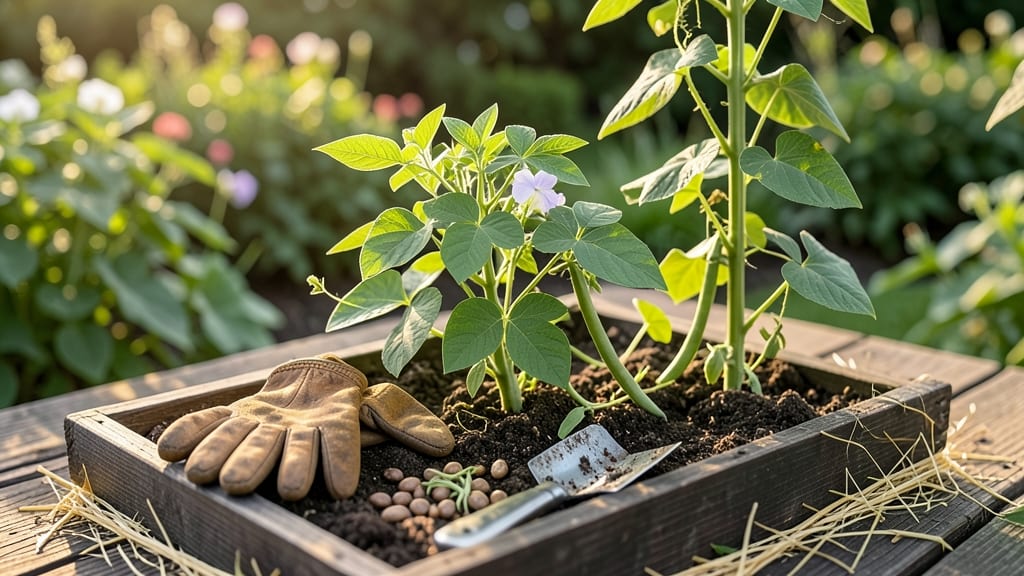
Timing your bean planting just right in California can mean the difference between a bountiful harvest and a missed opportunity—especially when coastal breezes and inland heat play such different roles.
Whether you're in USDA Zone 9-10 or a frost-free coastal area, getting those 🌱 beans in the ground at the perfect moment ensures fast germination and robust growth.
Most gardeners assume spring is the only time to plant, but California's diverse microclimates actually allow for year-round planting in many regions. The key? Waiting until soil temperatures hit 60°F—a threshold that varies wildly from San Diego's mild winters to the Central Valley's scorching summers.
I'll show you exactly when to start seeds or transplant seedlings for each zone, plus how to stretch your growing season with simple tricks.
From bush beans that thrive in cooler coastal areas to heat-loving pole varieties perfect for inland summers, we'll cover the best types for your location. You'll also discover how to avoid common pitfalls like slow germination or bolted plants by mastering soil prep and watering schedules tailored to your microclimate.
Ready to transform your garden? Let's dive into the fastest, most reliable methods for planting beans that actually deliver—no guesswork, just results. Your next harvest could start sooner than you think!
California bean planting calendar by region: soil temperature zones explained
California’s diverse climate means your bean planting timeline should depend on whether you’re in coastal, Central Valley, or Southern California regions. While coastal areas enjoy year-round planting, inland zones face soil temperature challenges that can delay germination.
The key threshold? 60°F soil temperature—beans won’t sprout reliably below this mark.
For Northern California (USDA Zone 9), aim for February to May planting. The Central Valley (Zone 9-10) has a wider window—March to August—while Southern California (Zone 10) can plant year-round with proper irrigation. However, heat waves above 90°F can stress beans, so late summer planting requires extra care.
Coastal gardeners benefit from milder winters, allowing January plantings in protected microclimates. Inland areas must wait until after last frost (typically mid-March) and monitor soil temps with a soil thermometer.
The San Joaquin Valley often sees earlier planting due to warmer soils, while Sierra foothills may need to delay until April.
| Region | USDA Zone | Ideal Planting Window | Soil Temp Threshold | Microclimate Notes |
|---|---|---|---|---|
| Northern California | 9 | Feb–May | 60°F+ | Wait for last frost; coastal pockets can plant earlier. |
| Central Valley | 9-10 | Mar–Aug | 60°F+ | Warm soils allow earlier starts; avoid July heat stress. |
| Southern California | 10 | Year-round | 60°F+ | Use shade cloth in summer; desert areas need irrigation. |
| Coastal (SF Bay) | 10 | Jan–Nov | 55°F+ | Mild winters enable early starts; watch for coastal fog. |
If you’re in Los Angeles or San Diego, you can plant bush beans in winter (Dec–Jan) for a spring harvest, then repeat in summer (July–Aug) for a fall crop.
The Central Coast (Santa Barbara to Monterey) follows a similar pattern but may need row covers for January plantings to protect against chilly nights.
For high-altitude areas like Lake Tahoe or Mammoth Lakes, delay planting until May when soil temps reliably exceed 60°F. These regions also benefit from shorter-day varieties that mature quickly before early autumn frosts.
Pro tip: Use a planting calendar that accounts for local microclimates. For example, Pasadena can plant 2 weeks earlier than Bakersfield due to cooler nights. Always check 7-day soil forecasts before sowing seeds to avoid cold snaps that stall germination.
Remember, pole beans thrive in longer seasons (like Southern California’s) while bush beans are better for cooler coastal areas. Match your variety to your local frost-free days—365 days in coastal zones vs. 200+ in inland valleys.
Start seeds indoors 2–3 weeks before your region’s last frost date if using transplants. This gives seedlings a head start in cooler zones like Sacramento or Redding, where March soil temps can still dip below 55°F.
🌱
Microclimate tricks to extend bean planting season in California
California’s diverse microclimates can feel like planting in two different states—coastal areas with cool, foggy summers and inland valleys baking under 100°F+ heat. The key to success? Adjusting your planting timeline using simple but effective tricks tailored to your specific zone.
For coastal gardeners in San Francisco or Santa Barbara, winter planting (January-February) is possible if you protect young seedlings from chilly coastal winds. A simple row cover or cold frame can push germination by 2-3 weeks compared to waiting for spring.
Inland growers in Sacramento or Fresno face the opposite challenge—late frosts in March and intense summer heat. Plant heat-tolerant varieties like ‘Rattlesnake’ or ‘Black Valentine’ in late April to avoid bolting, and use shade cloth (30-50%) during peak afternoon sun to prevent flower drop.
- 1. Coastal Windbreaks: Plant tall grasses or bamboo on windy sides to protect seedlings from salt spray and chilling winds (common in San Diego and Monterey).
- 2. Frost Blankets: Use lightweight row covers (like Agribon) to plant 2 weeks earlier in foothill areas (e.g., Napa Valley) where late frosts linger.
- 3. Drip Irrigation: Install soaker hoses to maintain even moisture in desert-adjacent zones (e.g., Palm Springsflower drop during heatwaves.
- 4. Succession Planting: Sow bush beans every 2 weeks from March to August in Central Valley to stagger harvests and avoid bolting from extreme heat.
- 5. Mulch Thickly: Apply 4-6 inches of straw to retain soil moisture in coastal fog belts (e.g., Santa Cruz), where slow soil warming delays germination.
Don’t overlook container gardening for urban gardeners in Los Angeles or San Jose. Black plastic pots absorb heat faster than soil, letting you plant 2 weeks earlier in spring. Just ensure pots have drainage holes to prevent root rot in California’s occasional downpours.
Pro tip: Monitor your soil temperature with a $10 soil thermometer. Beans need 60-70°F soil to germinate—coastal gardeners can plant as early as February, while inland areas should wait until mid-April to avoid cold soil shock.
With these tricks, you can harvest beans year-round in California—whether you’re battling coastal fog or Central Valley heat. Start experimenting with one technique this season and watch your bean yields soar!