
Plants
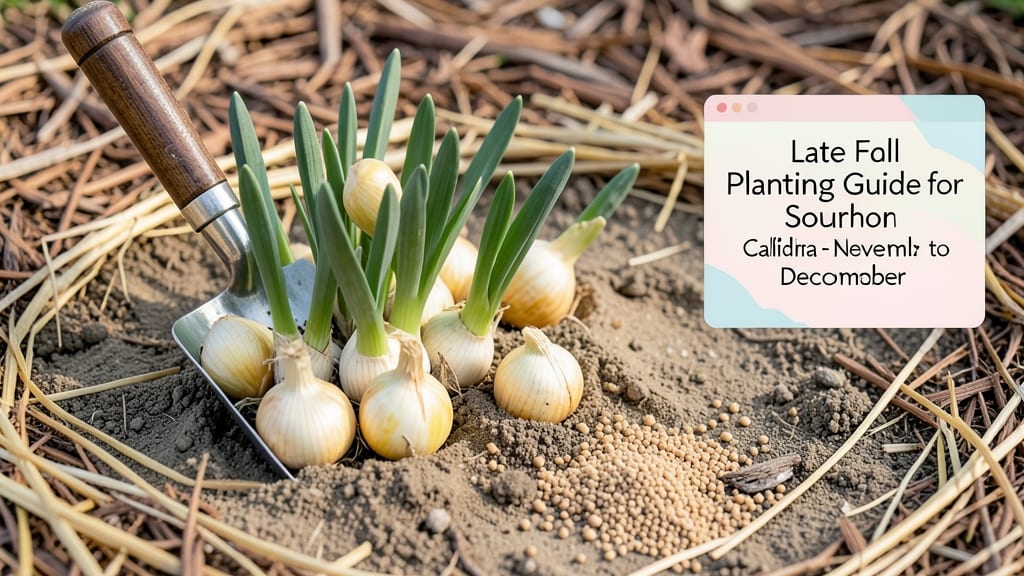
Planting daffodil bulbs in Southern California at the wrong time can mean the difference between vibrant spring blooms and sad, wilted 🌼 stalks before they even get a chance to shine.
Here’s the truth: your local microclimate—whether you’re near the coast or inland—dictates the perfect window. Too early, and your bulbs might shoot up in fall, only to get fried by summer heat. Too late, and they won’t root deeply enough before the dry season sets in.
I’ve learned the hard way that timing isn’t just about months—it’s about soil temperature, rainfall patterns, and even your garden’s elevation. Let me show you exactly when to plant for zero-frost success and how to adjust for Southern California’s quirks.
From coastal chill to inland heat, we’ll cover the ideal months, soil prep tricks, and common mistakes that kill daffodils before they even bloom. Ready to get your garden prepped for next spring’s showstopper?
Best planting months for daffodil bulbs in SoCal’s microclimates
Southern California’s diverse microclimates—from frost-prone inland valleys to nearly frost-free coastal areas—create unique challenges for daffodil planting. Unlike northern climates, where timing is tied to first frost dates, SoCal gardeners must focus on soil temperatures and summer heat avoidance instead.
Coastal regions like San Diego may plant as late as December, while inland areas like Riverside should aim for October or early November to prevent premature blooming. Understanding these regional differences ensures your daffodils establish strong roots before summer dormancy begins.
In USDA Zones 9b-11, daffodils naturally enter dormancy during summer’s heat, making fall planting essential. The key window is when soil temperatures drop below 60°F—typically late October to December.
Planting too early (like September) risks premature blooming from residual summer warmth, while late planting (after December) may leave bulbs vulnerable to heat stress before root establishment. My rule of thumb? 6-8 weeks before your area’s first frost (if applicable) or when daytime highs consistently stay below 75°F.
The coastal vs. inland divide is critical. Coastal areas like Santa Barbara or San Diego can plant daffodils through December due to milder winters, while inland valleys like San Bernardino or Riverside should finish by early November to avoid frost risks.
Even a light frost (28°F) can damage emerging shoots, so check your local microclimate frost maps (like the National Weather Service’s) for precise timing.
For gardeners in transition zones (e.g., Los Angeles Basin), where frost is rare but possible, I recommend a two-phase approach: plant 60% of bulbs in October for early blooms and 40% in November to extend the flowering season.
This hedges against unpredictable cold snaps while maximizing visual impact. Pro tip: Use dwarf varieties (like ‘Tête-à-Tête’) in high-heat areas—they bloom earlier and tolerate summer heat better than standard types.
Here’s how to adjust your timing based on your SoCal location:
Beyond months, pay attention to soil temperature cues. Use a soil thermometer ($10 at garden centers) to confirm temps are consistently below 60°F before planting.
In my Orange County garden, I’ve seen daffodils planted in early October bloom in late January—far too early for SoCal’s typical March-April display. To prevent this, choose late-season varieties like ‘Ice Follies’ or ‘Carlton’, which naturally bloom later.
Another pro tip: Pre-chill bulbs if planting in September. Store them in a paper bag in your fridge’s crisper drawer for 6-8 weeks to simulate winter conditions. This tricks bulbs into thinking they’ve experienced cold, delaying blooming until safer months.
I’ve used this method in Palm Springs to push back blooms from December to February, avoiding heat stress on emerging flowers.
Finally, don’t overlook elevation adjustments. Mountainous areas like Big Bear (Zone 7) can plant later (up to January) due to cooler temps, while sea-level areas (like Long Beach) should finish by December.
Use the USDA Plant Hardiness Map to find your exact zone, then adjust planting by 2-4 weeks based on elevation changes of 1,000+ feet.
Timing isn’t just about months—it’s about balancing heat, frost, and soil conditions. By aligning your planting with your local microclimate
Best planting months for daffodil bulbs in SoCal’s microclimates
Southern California’s diverse microclimates—from frost-prone inland valleys to nearly frost-free coastal areas—mean your daffodil planting window can vary by 6 weeks or more.
Coastal regions like Los Angeles and San Diego rarely see frost, while inland areas like San Bernardino and Riverside can experience light frosts as early as December 15. Aim to plant 6-8 weeks before your region’s first frost date to ensure strong root growth before summer dormancy.
For coastal SoCal (USDA Zones 10-11), your ideal planting window stretches from late September through December. In these frost-free zones, daffodils can even bloom in winter months, offering early color when other flowers are dormant.
In contrast, inland valleys (USDA Zones 9b-10) should focus on October through November to avoid premature blooming triggered by mild winter temperatures.
Timing isn’t just about frost—it’s also about soil temperatures. Daffodil bulbs need soil temps below 60°F (15°C) to trigger root growth. Use a soil thermometer to confirm readiness, especially in warmer inland areas where summer heat lingers longer.
Planting too early in hot soil can cause bulbs to sprout prematurely and struggle before winter rains arrive.
| Region | USDA Zone | Ideal Planting Window | Key Consideration |
|---|---|---|---|
| Coastal (LA, SD, OC) | 10-11 | Late Sept–Dec | Frost-free; risk of winter blooming |
| Inland Valleys (SB, Riverside) | 9b-10 | Oct–Nov | Light frost risk; cooler nights |
| Desert Areas (Palm Springs) | 10b-11 | Nov–Dec | Hot soils; needs irrigation |
If you miss the fall planting window, don’t panic—daffodils can also be planted in early January, though they may bloom slightly later in spring. For container gardening, plant 4-6 weeks earlier than in-ground bulbs, as pots heat up faster and dry out quicker.
Always choose well-draining containers with drainage holes to prevent bulb rot.
Pro tip: Mark your planting date on a calendar and note local weather patterns. In La Niña years, coastal areas may see cooler winters, while El Niño years can bring unexpected warmth. Adjust your timing accordingly to avoid premature blooming or poor root establishment.
Remember, daffodils are hardy perennials that can naturalize over time, but getting the timing right in your first year sets the stage for years of vibrant spring blooms. With SoCal’s unpredictable weather, flexibility is key—plant when conditions align, not just by the calendar.