
Plants
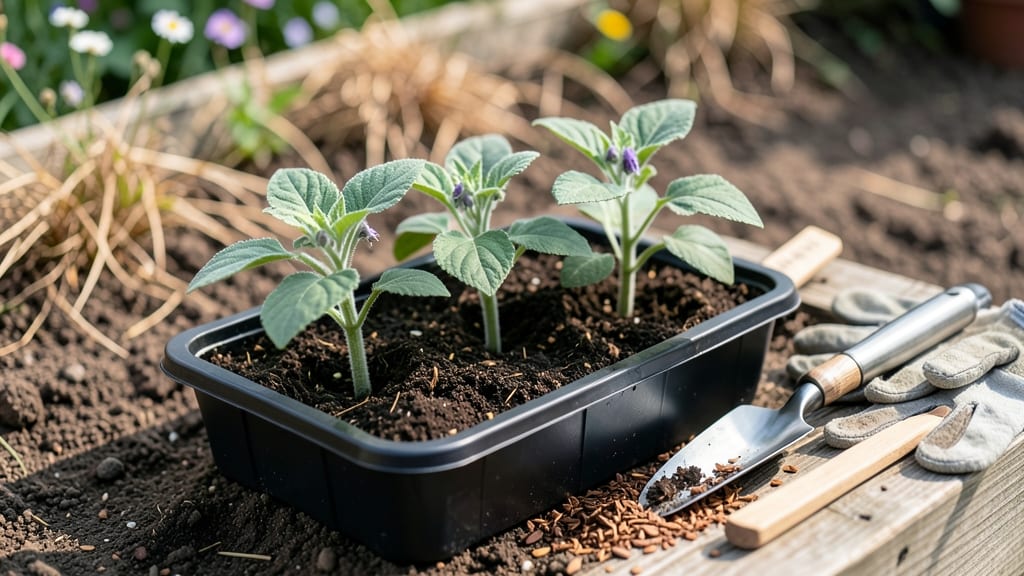
Planting eggplant 🍆 in Southern California isn’t just about timing—it’s about surviving the heat without sacrificing your harvest. Unlike cooler climates, where frost risks dictate schedules, your 9b-11 zone offers a longer growing window, but the key is avoiding those brutal summer afternoons when temps soar past 90°F.
Most gardeners swear by transplanting in February or March, giving plants a head start before the real heat kicks in. But if you’re starting from seeds, April or May works better—just make sure to harden them off first.
The goal? Beat the peak heat while still giving your eggplants enough time to mature before October’s harvest window closes.
Here’s the game-changer: coastal areas like LA and Orange County can push planting a bit later than inland spots like Riverside or San Bernardino. Why? Coastal breezes moderate temperatures, while inland zones can feel like an oven.
We’ll break down the exact dates for your microclimate so you don’t end up with wilted plants or empty vines.
Ready to grow eggplants that thrive in Southern California’s climate? I’ll walk you through the best heat-resistant varieties, soil prep tricks, and even how to extend your harvest with succession planting—so you’re not left scrambling when the summer sun gets too intense.
Best planting times for eggplant in Southern California by region
Southern California’s microclimates create a unique challenge for eggplant growers—coastal areas like Los Angeles and Orange County enjoy milder summers, while inland zones like San Bernardino and Riverside face brutal heat. Timing your plantings by region ensures your eggplants thrive without wilting under 100°F+ temperatures.
The key is planting transplants in early spring or seeds in late spring, depending on your zone.
For coastal regions (USDA 9b-10a), the ideal window is February through March for transplants, allowing harvests by June or July before summer heat peaks. Inland areas (USDA 10b-11) should wait until March to early April to avoid early-season heat stress.
This strategy aligns with Southern California’s 300+ frost-free days, giving you multiple harvest opportunities.
🌱 Eggplant Planting Guide by Southern California Region
| Region | Best Transplant Window | Direct Sow Window | Harvest Window | Heat Tip |
|---|---|---|---|---|
| Coastal (LA, OC) | Feb 15 - Mar 15 | Apr 1 - May 15 | June - August | Use shade cloth 30% in July |
| Inland (San Bernardino) | Mar 1 - Apr 15 | Apr 15 - May 30 | July - September | Plant in raised beds with mulch |
| Desert (Palm Springs) | Apr 1 - May 1 | May 15 - June 15 | August - October | Water at night only |
If you’re growing eggplants for a fall harvest, coastal gardeners can attempt a second planting in August using heat-tolerant varieties like 'Ichiban' or 'Rosa Bianca'. Inland areas should avoid fall plantings due to increasing nighttime temperatures, which stress eggplants.
Instead, focus on succession planting every 2-3 weeks during the spring window to ensure continuous harvests.
For direct sowing (planting seeds directly in the garden), wait until soil temperatures exceed 70°F—typically April to May for most regions. Direct sowing is riskier in Southern California due to unpredictable spring rains and fast-drying soils, so most gardeners prefer transplants from nurseries.
If you choose direct sowing, use biodegradable seed starter pots to protect young seedlings from heat stress.
One of my biggest mistakes was planting Black Beauty eggplants in June—they bolted within weeks under 110°F afternoons. Since then, I’ve relied on transplanting in March and using shade cloth during peak summer.
This approach gives me three harvests instead of one failed attempt. The key is reading your microclimate: Coastal areas can push the envelope, while inland zones need patience.
Southern California’s long growing season also allows for container gardening if space is limited. Use 5-gallon pots with well-draining soil and plant in April for a summer harvest. Containers heat up faster, so add hydrogel crystals to retain moisture.
I’ve grown ‘Fairy Tale’ eggplants in containers on my patio with great success—just keep them near a drip irrigation system to avoid stress.
When selecting a planting method, consider your local pest pressures. Coastal areas often battle aphids, while inland gardens face squash vine borers. Both can devastate young eggplants, so use row covers for the first 4-6 weeks after transplanting.
I’ve also had success with neem oil sprays applied every 10 days during flowering to prevent pest outbreaks.
For gardeners in higher elevations (e.g., Big Bear), the rules shift slightly. You can plant transplants as early as February and enjoy harvests by May or June before summer heat arrives.
These areas benefit from cooler nights, which eggplants prefer. Always check your local frost dates (though minimal in SoCal) and adjust accordingly—even a 32°F night can damage young plants.
Finally, don’t overlook soil preparation as part of your timing strategy. Eggplants thrive in well-amended soil with a pH of 6.0-6.8. I
Best planting times for eggplant in Southern California by region
Southern California’s microclimates mean your eggplant’s success hinges on where you live. Coastal areas like Los Angeles and Orange County enjoy milder summers, while inland zones like Riverside or San Bernardino can hit 100°F+ by June.
The key? Plant eggplants when daytime highs stay below 85°F—any hotter, and your transplants will struggle to establish roots.
For coastal regions, aim to transplant eggplants in late February to early March. This gives them 4-5 months to mature before summer heat peaks. Inland areas should start 2-3 weeks earlier (mid-February) to beat the heat wave.
If you’re sowing seeds directly, wait until late April—earlier seeds risk drying out in the soil.
Here’s a quick breakdown of your optimal planting windows by region and method:
| Region | Transplant Window | Direct Sow Window | Harvest Window |
|---|---|---|---|
| Coastal (LA, OC) | Late Feb - Early Mar | Late Apr - Early May | June - October |
| Inland (Riverside, SB) | Mid-Feb - Late Feb | Early Apr - Mid-Apr | May - September |
| Desert (Palm Springs) | Late Jan - Early Feb | March (shade cloth required) | April - July |
Pro tip: Use shade cloth (30-50%) if transplanting in May or June—even heat-resistant varieties will bolt if stressed. I’ve seen gardeners in San Diego’s inland valleys use shade cloth until late June, then remove it once temps dip below 90°F at night.
For succession planting, stagger transplants every 2-3 weeks from February through April. This ensures a continuous harvest through October. Just remember: eggplants need 75-90 days to mature, so your last batch should go in by mid-June at the latest.
One final rule: Never plant eggplants in August or September. The combination of high heat and short days will leave you with bitter, underdeveloped fruit. Instead, focus on fall crops like kale or broccoli once summer’s over.