
Plants
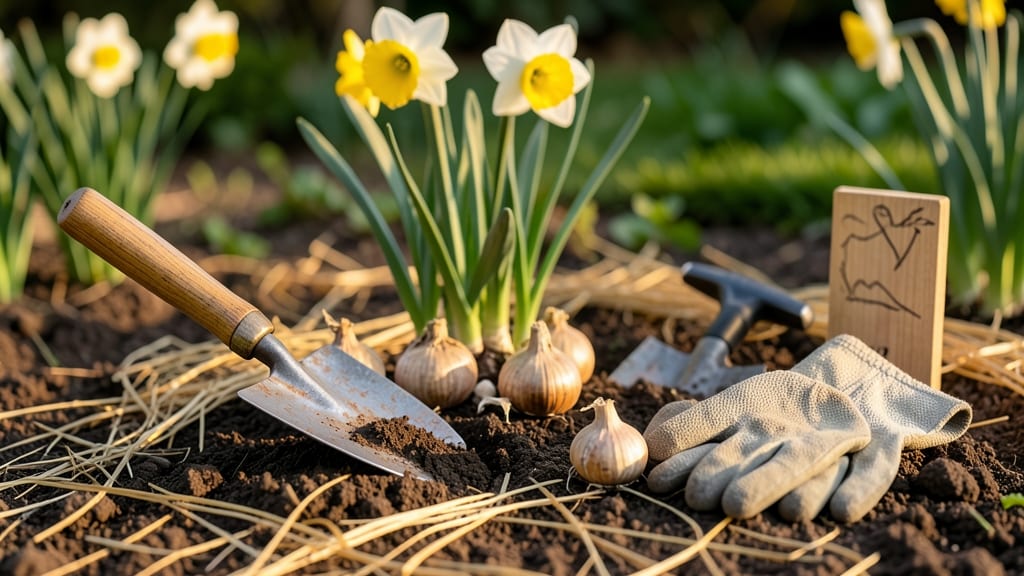
Planting daffodil bulbs at the wrong time in Northern California can mean the difference between a vibrant spring display and a sad, frost-nipped disappointment. The key to success lies in understanding how your local microclimate—whether coastal or inland—shapes the ideal window for planting these cheerful 🌼 bloomers.
Most gardeners in zones 8a-9b reach for their shovels between October and December, but timing isn’t one-size-fits-all. Coastal areas with milder winters might start as early as late September, while inland regions often wait until November to avoid early frost surprises.
The goal? Plant when soil temperatures dip to 50-60°F—the sweet spot for root establishment before winter sets in.
In this guide, I’ll break down exactly when to plant daffodils in your specific corner of Northern California, plus how to prep your soil, choose the right depth, and protect your bulbs from late frosts.
Whether you’re a first-time planter or a seasoned gardener, these tips will help you guarantee those bright blooms next spring.
Ready to transform your garden into a daffodil paradise? Let’s dive into the perfect planting schedule tailored to your local conditions—because the right timing makes all the difference.
Best planting months for daffodils in Northern California’s microclimates
Northern California’s diverse microclimates—from the coastal fog belts to the Sacramento Valley’s heat sinks—mean daffodil planting windows vary dramatically. The ideal window spans October through December, but your exact timing depends on your USDA zone (8a-9b) and local frost patterns.
Let’s break down the best months for each region to ensure zero-frost blooms next spring.
For most of Northern California, November is the sweet spot. This gives bulbs 6-8 weeks to establish roots before winter chills set in.
However, coastal areas like San Francisco or Santa Cruz can plant as late as early December, while inland zones like Sacramento or Redding should aim for mid-October to avoid early frost risks. Always check your last frost date—planting 4-6 weeks before ensures bulbs root deeply before cold snaps.
Soil temperature is your most reliable guide. Daffodils need 50-60°F soil to thrive. Use a soil thermometer to confirm readiness—cooler coastal soils may stay plantable later than inland areas.
If your soil feels below 50°F, wait another week. Pro tip: Mulch after planting to insulate bulbs and extend your window by 10-14 days in frost-prone zones.
🌼Pro Tip: If you’re in a transition zone (like the Bay Area’s East Bay), split your planting. Bury half in October and the rest in November to stagger blooms and reduce frost risk.
🌱 Northern California Daffodil Planting Guide by Region
| Region | Best Planting Window | Soil Temp Goal | Frost Adjustment |
|---|---|---|---|
| Bay Area (Coastal) | Late October–Early December | 50–55°F | Wait for Dec 1 frost date |
| Sacramento Valley | Mid-October–Mid-November | 55–60°F | Aim for Nov 15 last frost |
| North Coast (Redwoods) | November–Early December | 48–52°F | Extend to Dec 10 if mild |
| Mountain Foothills | September–October | 50–58°F | Plant earlier for cooler soils |
Don’t let rainfall patterns throw you off. Northern California’s wet winters can delay planting, but daffodils tolerate moist soil better than soggy conditions. If your garden stays waterlogged, amend soil with compost or sand to improve drainage.
In drought-prone inland areas, water deeply after planting to encourage root growth before rains arrive.
Moon phases matter less than soil conditions, but planting during a waxing moon (when roots grow upward) can give bulbs a slight edge. Avoid full moons—water stress from evaporation can stunt early root development. For most gardeners, focus on soil temp and frost dates over lunar cycles.
If you’re new to daffodils, start with dwarf varieties like ‘Tête-à-Tête’ or ‘Ice Follies’—they’re hardier in transitional zones and bloom earlier. These types also handle partial shade better, making them ideal for coastal gardens where sun is limited.
For full sun exposures, opt for standard varieties like ‘Geranium’ or ‘Carlton’ for bold, long-stemmed blooms.
🌱Remember: The 6-8 week hardening rule is your safety net. If you plant too early, bulbs may sprout and get frost-nipped. If you plant too late, they won’t root deeply enough for vibrant spring blooms. Balance is key—especially in Northern California’s unpredictable winters.
How to time daffodil planting for zero-frost blooms: a step-by-step guide
Timing your daffodil bulbs perfectly in Northern California means accounting for frost dates, soil temperatures, and even moon phases. The key is planting when bulbs have 6-8 weeks to establish roots before winter dormancy.
This ensures vibrant blooms that emerge unfazed by late frosts, which can still hit as late as January 15 in many regions.
Start by checking your USDA hardiness zone—most of Northern California falls in zones 8a-9b. Use the National Weather Service or local Cooperative Extension office for your area’s average first frost date.
For example, the Bay Area typically sees its first frost around December 15, while inland areas like Sacramento may experience frost as early as November 20.
Next, verify soil temperature—daffodil bulbs thrive when planted in soil that’s 50-60°F. Use a soil thermometer to check depths of 4-6 inches. If temperatures drop below 50°F, wait a few days before planting.
Coastal areas often stay warmer longer, giving you a 2-3 week extension compared to inland zones.
For extra protection against late frosts, choose late-blooming varieties like 'Ice Follies' or 'Tête-à-Tête', which tolerate colder temps better. If a frost warning pops up after planting, cover bulbs with straw mulch or a lightweight frost cloth until temperatures rise.
This simple step can save your daffodils from frost damage while they establish roots.
Finally, mark your planting spots with bamboo stakes or a garden flag to avoid disturbing the bulbs later. Daffodils need 6-8 inches of space between each bulb, so plan accordingly.
Once planted, water deeply to settle the soil and encourage root growth—this is especially critical in drought-prone inland areas like the Sacramento Valley.
With these steps, you’ll time your daffodil planting perfectly for zero-frost blooms that emerge bright and early, turning your Northern California garden into a springtime spectacle. 🌼