
Plants
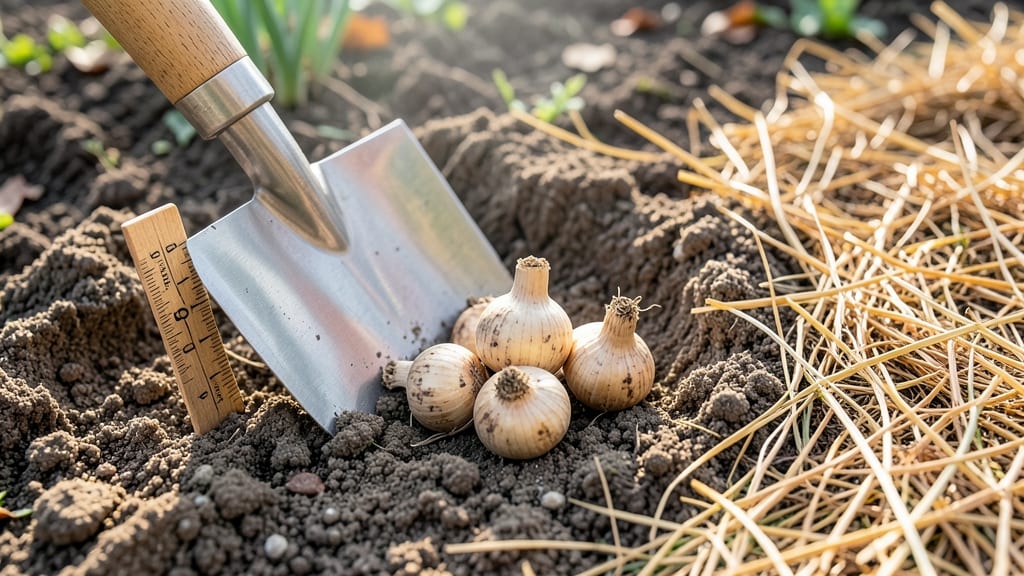
Planting daffodil bulbs at the wrong time in Arkansas can mean soggy, rotting bulbs or frost-killed blooms before they even appear—but getting the timing right guarantees those cheerful 🌼 faces popping up every spring like clockwork.
In Zones 7a-8a, the ideal window stretches from mid-October to November, when soil temps drop to 50-60°F and before the first hard frost hits. This timing lets bulbs establish roots while staying protected from winter’s harshest chill.
Why does this matter? Because Arkansas’s humid subtropical climate means wet soil can suffocate bulbs if planted too early, while late planting risks freezing before they root. I’ll walk you through the exact steps to nail your planting schedule—and keep those daffodils thriving year after year.
From soil prep to post-planting care, here’s how to turn your Arkansas garden into a springtime daffodil paradise without a single bulb lost to timing mistakes.
Best months to plant daffodil bulbs in Arkansas by hardiness Zone
Arkansas spans USDA Zones 6-8, where daffodil bulbs thrive—but only if planted at the right time. In Zone 6 (Northwest Arkansas), like Bentonville or Fayetteville, aim for mid-October to early November. Warmer Zone 7 (Central Arkansas), such as Little Rock, favors late October to mid-November.
Meanwhile, Zone 8 (Southeast Arkansas), like El Dorado, extends the window to November before soil cools below 50°F. The key? Plant 4-6 weeks before the first hard frost, which typically hits mid-November in most regions.
Daffodil bulbs need 6-8 weeks of chilling to bloom, so timing ensures they root before winter dormancy. For example, Zone 6 gardeners should start by October 15, while Zone 8 gardeners can wait until November 1.
Check your local Arkansas Cooperative Extension frost date map to fine-tune your schedule. Planting too early in Zone 8 risks rot, while late planting in Zone 6 may stunt growth.
Soil temperature is your best guide. Use a soil thermometer to confirm 50-60°F soil temps at planting depth (6 inches). In southern Arkansas, this often aligns with late October, while northern regions may need to wait until November.
Pro tip: Bulbs planted in 60°F+ soil can rot, so avoid early September plantings even if bulbs are available.
Arkansas’ humid subtropical climate adds complexity. In clay-heavy soils (Delta region), plant earlier (October) to prevent waterlogging. Conversely, sandy soils (Ozarks) can dry out faster, so late October to November works best.
Always choose a well-draining location—daffodils hate soggy feet. If your yard floods in winter, amend soil with compost or sand before planting.
🌼 Arkansas Daffodil Planting Window by Zone
| Zone | Ideal Planting Month | Soil Temp Threshold | Key Arkansas Locations | Frost Risk |
|---|---|---|---|---|
| 6 | Mid-October to Early November | 50-60°F | Bentonville, Fayetteville | High (first frost: Nov 15) |
| 7 | Late October to Mid-November | 50-60°F | Little Rock, Hot Springs | Moderate (first frost: Nov 20) |
| 8 | November (before soil cools) | 50-60°F | El Dorado, Texarkana | Low (first frost: Dec 1) |
⚠️ Note: Adjust for early/late frosts—check Arkansas Ag Extension for updates.
Missed the fall window? December plantings are possible in Zone 8 if soil stays workable, but expect delayed blooms. For Zone 6/7, wait until spring (March) only if you’re planting potted bulbs indoors for forced blooms.
Never plant daffodils in summer heat—they’ll bake in the ground. If you’re unsure, err on the earlier side—bulbs can sit dormant in the soil for months without harm.
Depth matters too. Plant bulbs 6-8 inches deep, with the pointy end up. In sandy soils, dig slightly deeper (8 inches) to retain moisture; in clay soils, shallow to 6 inches for better drainage.
Space bulbs 4-6 inches apart—closer spacing works for dwarf varieties, while standard daffodils need more room. After planting, water deeply to settle soil and encourage root growth before winter sets in.
Arkansas’ mild winters in Zone 8 mean bulbs can handle ground planting until December, but Zone 6 gardeners should finish by November 15 to avoid frost damage. If your area gets snow cover, bulbs are protected—just ensure they’re not buried under wet snow, which can suffocate them.
Mulch with 2-3 inches of straw after planting to insulate roots and deter weeds.
Local microclimates play a role. Urban areas (Little Rock) may experience heat islands, delaying soil cooling—plant 1-2 weeks earlier than rural zones. Conversely, mountainous regions (Ozarks) cool faster, so wait until late October.
Observe your garden’s sun exposure: South-facing beds warm up faster than north-facing ones, so adjust planting dates accordingly. A sunny, sheltered spot ensures bulbs get the chill they need without freezing.
Finally, choose Arkansas-friendly daffodil varieties. Jonquil and Ice Follies thrive in heat, while Tête-à-Tête (dwarf) works for containers. For Zone 6, opt for hardy varieties like 'Geranium' or 'February Gold', which bloom earlier. In Zone 8, 'Minnow' or 'T
Best months to plant daffodil bulbs in Arkansas by hardiness Zone
Arkansas spans Zones 6b-8a, and each zone has its own sweet spot for planting daffodil bulbs. In Zone 6b (northwest Arkansas, like Fayetteville), aim for mid-October to early November—this gives bulbs time to root before the first hard frost, typically around November 15th.
For Zones 7a-8a (central and southern Arkansas, like Little Rock or Pine Bluff), you’ve got a slightly longer window: late October through December, as frost arrives later.
Why the difference? Soil temperatures in Zone 6b drop faster, while southern Arkansas stays warmer longer. Planting too early in wet soil risks rot, while late planting risks frost damage before roots establish.
My rule of thumb: soil temps should be 50-60°F at planting time, and bulbs should go in 4-6 weeks before the first hard frost.
Here’s a quick breakdown of your Arkansas region’s ideal planting windows:
| Zone | Arkansas Regions | Best Planting Window | Soil Temp | First Frost |
|---|---|---|---|---|
| 6b | Fayetteville, Rogers | Mid-October to early November | 50-60°F | Nov 15 |
| 7a | Little Rock, Hot Springs | Late October to November | 50-60°F | Nov 25 |
| 8a | El Dorado, Texarkana | Late October to December | 55-65°F | Dec 10 |
Pro tip: Use a soil thermometer to check temps—if it’s above 60°F, wait a week or two. In Arkansas’s humid climate, wet soil can suffocate bulbs, so aim for well-draining spots like raised beds or slopes if your yard holds moisture.
For Zone 6b gardeners, don’t wait past November 1st—bulbs need time to root before winter. In Zones 7a-8a, you can push it to early December, but avoid planting after the first frost. Think of it like a race: bulbs need to root before the ground freezes solid.
Once planted, mulch with 2-3 inches of straw to insulate bulbs and keep soil temps stable. This is especially critical in Arkansas’s clay-heavy soils (common in the Delta) or sandy soils (Ozarks), where moisture extremes can stress bulbs.
Timing isn’t just about the calendar—it’s about soil conditions. Next, I’ll show you how to tell if your Arkansas soil is truly ready for those bulbs (and how to fix it if it’s not).