
Plants
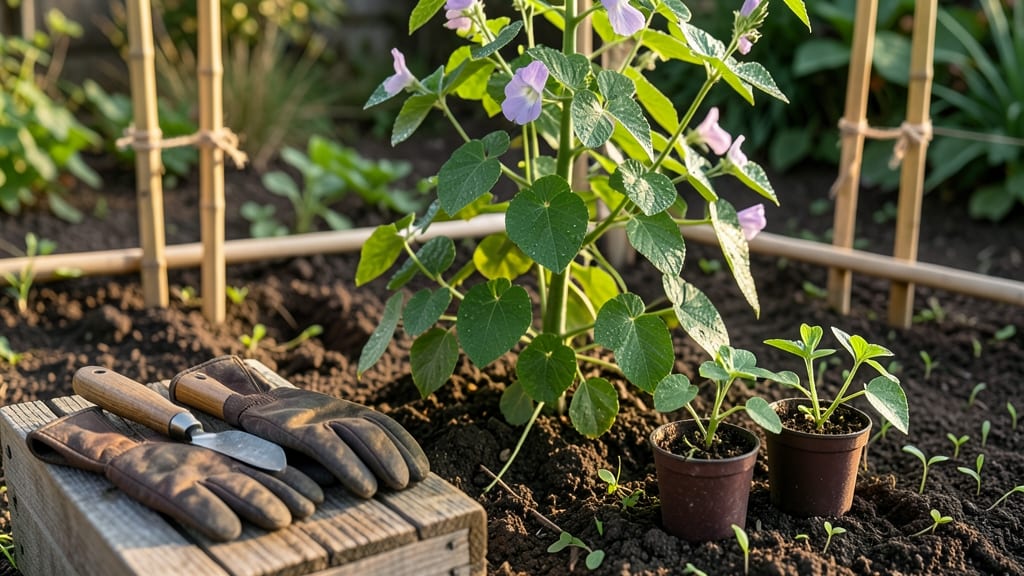
Planting beans in Georgia might seem simple, but getting the timing right is the key to a bountiful harvest. With the right soil temperature triggers—like waiting until the ground reaches 60°F—you can avoid frost damage and heat stress, ensuring your 🌱 thrives all season long.
Whether you're growing bush beans, pole beans, or limas, Georgia's 7b-8b climate offers two prime planting windows: spring (March–April) and fall (August–September). But rushing into the garden too early can leave your plants struggling, while waiting too long might cut your harvest short.
I’ll break down exactly when to plant for your specific region—whether you’re in the Coastal Plain or Piedmont—and share fast tips to prep your soil for faster sprouts. No more guessing games, just a foolproof plan to turn your garden into a bean bonanza.
Ready to grow beans that outperform last year’s crop? Let’s dive into the soil temperature secrets and planting schedules that make all the difference in Georgia’s ever-changing climate.
Best planting windows for Georgia beans by variety (soil temp guide)
Georgia’s diverse climate means your bean planting strategy should match your location—whether you’re in the Coastal Plain or the Piedmont region. The key to success? Soil temperature. Beans need consistent warmth to germinate, and Georgia’s last frost dates vary by zone.
Let’s break down the best times to plant bush beans, pole beans, and lima beans for maximum yield.
For spring planting, aim for March to early April in most of Georgia once soil temps hit 60°F.
In southern Georgia (Zone 8b), you can start as early as February if the ground isn’t frozen. Fall planting is ideal from late August to September, giving beans time to mature before first frost (mid-November). The goal? Avoid heat stress in summer and cold snaps in fall.
Here’s the critical rule: Wait until soil reaches 60°F before planting—cold soil slows germination and invites rot.
Use a soil thermometer to check, especially in northern Georgia (Zone 7a), where nights can still dip. Pole beans thrive in Georgia’s heat but need sturdy trellises to support their vines, while bush beans mature faster and are better for cooler spring starts.
Pro tip: Succession planting every 2 weeks ensures a steady harvest. For example, plant bush beans in March, April, and May to stretch your yield into summer.
In southern Georgia, you can even squeeze in a late-summer planting of heat-tolerant varieties like ‘Red Hawk’ pole beans, which handle 90°F+ soil better than most.
Watch out for heat stress in June and July. If temps exceed 90°F for weeks, beans may bolt (flower prematurely) or develop poor-quality pods. Shade cloth or mulch can help regulate soil temp.
Conversely, early spring plantings before April 15 risk frost damage—always check your local frost-free date (typically March 15 in most of Georgia).
For fall harvests, focus on August plantings in northern Georgia and July–August in the south. Lima beans are spring-only in most of the state, but bush and pole beans can give you two harvests per year if timed right.
Start seeds indoors in late July for a September transplant to beat the frost.
Don’t forget: Soil prep is half the battle. Work in compost to warm the soil faster, and choose a sunny, well-draining spot. Beans are nitrogen-fixers, so they don’t need heavy fertilizing—but a light 10-10-10 mix at planting helps. Avoid fresh manure, which can burn tender roots.
By mastering these soil temp triggers and planting windows, you’ll turn Georgia’s climate into your bean-growing advantage. Next up: Adjusting for your specific heat zone—because not all of Georgia is created equal! 🌱
Best planting windows for Georgia beans by variety (soil temp guide)
Georgia’s diverse climate—from the Coastal Plain to the Piedmont—means your bean planting window depends on both soil temperature and microclimate. Most varieties thrive when soil reaches 60°F, but heat-loving limas need 70°F+ to germinate.
Let’s break down the best times for each type to avoid frost or heat stress.
For bush beans (like Blue Lake or Kentucky Wonder), aim for March 15–April 30 in northern Georgia or February 20–March 15 in southern regions. These cool-season varieties tolerate light frosts but won’t germinate below 50°F. Use a soil thermometer to confirm readiness—60°F is non-negotiable for consistent sprouts.
| Variety | Ideal Planting Window | Soil Temp Threshold | Notes |
|---|---|---|---|
| Bush Beans (e.g., Blue Lake) | March 15–April 30 (Spring) / Aug 15–Sept 15 (Fall) | 60–75°F | Tolerates light frost; harvest in 50–60 days. |
| Pole Beans (e.g., Kentucky Blue) | April 1–May 15 (Spring) / July 15–Aug 15 (Fall) | 65–80°F | Needs trellis; heat-sensitive after 90°F. |
| Lima Beans (e.g., Fordhook) | May 1–June 15 (Spring) / July 1–Aug 1 (Fall) | 70–85°F | Heat-loving; avoid planting before soil warms. |
Summer planting is trickier in Georgia’s heat. For a fall harvest, sow pole beans in late July (when temps dip below 90°F) and lima beans in early August. Use shade cloth if daytime highs exceed 95°F to prevent blossom drop. Mulch with straw to keep roots cool and moist.
Pro tip: In the Piedmont, where nights stay chilly longer, wait until April 15 for bush beans to avoid black root rot. Southern gardeners can push limits—try February plantings under row covers for an early advantage. Just remember: Soil temp matters more than air temp for germination.
For a second harvest, succession-plant bush beans every 2 weeks from March to June. Pole beans, with their longer growing season, can give you pods from June through October if planted in stages. The key? Monitor soil warmth and adjust your schedule like a pro.