
Companion Plants
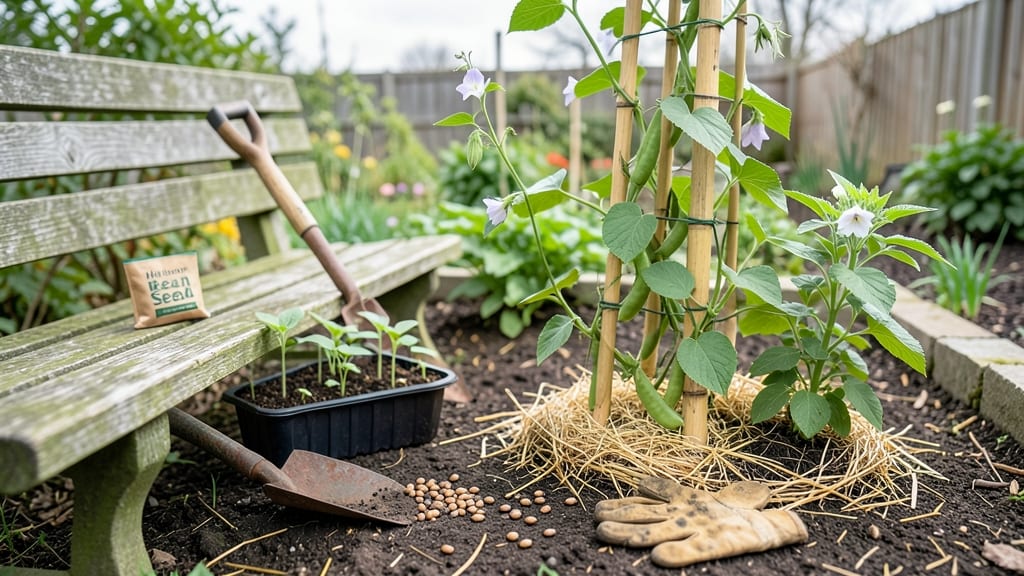
Planting beans in Seattle can feel like a guessing game—one wrong move, and your 🌱 harvest might vanish with the first frost. The key isn’t just timing; it’s syncing your schedule with Seattle’s 60°F soil warmth and unpredictable rain patterns.
Most gardeners here miss the two perfect windows—mid-April to early June (after the last frost) and late July to early August (for fall crops). But without testing your soil’s temperature, you might plant too early, risking cold damage or too late, missing the harvest season entirely.
I’ll show you exactly how to nail those planting dates, from simple soil tests to adjusting for Seattle’s microclimates. Whether you’re growing bush beans or pole varieties, these tricks will help you avoid common pitfalls and maximize your yield.
Ready to turn your bean patch into a thriving garden? Let’s dive into the strategies that actually work for Seattle’s Zone 8a climate—no more wasted seeds or empty vines.
Seattle’s ideal bean planting window by type (pole vs bush beans)
Seattle’s USDA Zone 8a climate offers two prime windows for planting beans: spring and fall. But timing matters—pole beans and bush beans thrive in different conditions, so let’s break it down.
The average last frost date in Seattle is April 15, but soil warmth is the real deciding factor for beans, which need temperatures above 60°F to germinate.
For spring planting, aim to sow seeds 2-3 weeks after your last frost date—typically mid-April to early May. This gives young plants time to establish roots before summer’s heat.
If you’re growing heirloom varieties, like Kentucky Wonder pole beans, they’ll appreciate the extra time to mature before fall’s first frost (mid-October).
Fall planting is a smart strategy for Seattle gardeners. Sow seeds late July to early August for a second harvest before winter sets in. This works best for bush beans, which mature faster (50-60 days) than pole beans (60-70 days). Just be sure to choose drought-tolerant varieties like Blue Lake to handle Seattle’s cooler, wetter autumns.
| Bean Type | Spring Planting Window | Fall Planting Window | Days to Maturity | Seattle-Specific Tip |
|---|---|---|---|---|
| Pole Beans | Mid-April to early May | Late July to early August | 60-70 days | Use trellises to save space; prune regularly for airflow |
| Bush Beans | Early May to mid-June | Early August to mid-September | 50-60 days | Choose compact varieties for urban gardens; mulch to retain warmth |
| Heirloom Varieties | Late April to early June | Mid-August to early September | 70-80 days | Start seeds indoors 4-6 weeks before last frost for head start |
Seattle’s microclimates can shift planting windows by 1-2 weeks. Urban areas like Ballard or Fremont may warm up faster than rural spots like Redmond or Sammamish. To account for this, I always check local weather stations (like the Seattle-Tacoma Airport data) and adjust my schedule accordingly.
For example, if your neighborhood is warmer than average, you might push spring planting to late April.
Don’t forget succession planting—a technique that ensures a continuous harvest. For pole beans, sow seeds every 2 weeks from May through July. Bush beans, being faster growers, can be planted weekly in the same period.
This method maximizes your yield and reduces the risk of pest outbreaks or disease that can wipe out a single planting.
If you’re a first-time bean grower in Seattle, start small with bush beans. They’re forgiving, mature quickly, and are less affected by Seattle’s cool, damp springs. Save pole beans for your second year when you’re ready to experiment with vertical gardening and longer growing seasons.
Pro tip: Black Turtle beans and Scarlet Runner beans are stunning and productive choices for Seattle’s climate.
One of my biggest lessons? Don’t rush planting in Seattle. Waiting for consistent soil warmth (test it with the potato method—see next section!) is worth the extra week.
Rushed beans often bolt (flower prematurely) or rot in cold, wet soil. Patience pays off with healthier plants and bigger yields.
For fall harvests, I’ve had the most success with dwarf varieties like Blue Lake Bush. They handle Seattle’s shorter daylight hours better than tall pole beans and still produce sweet, tender pods well into October.
Just be sure to protect them from early frosts with row covers or cold frames.
Finally, keep a planting journal to track your success. Note which varieties thrive in your specific spot, when you planted, and how long it took to harvest. Over time, you’ll fine-tune your Seattle-specific schedule
How to test soil warmth in Seattle (no thermometer needed)
Seattle’s cool, damp springs can leave your soil too cold for beans, even after the last frost. Since beans need soil temperatures of 60°F+ to thrive, testing warmth accurately is key. Fortunately, you don’t need a fancy thermometer—just a few simple tricks from my Seattle-tested garden.
First, check the potato test, my go-to method. Bury a raw potato in your garden bed for 24 hours. If it feels warm to the touch when dug up, your soil is ready. If it’s still cold, wait another week. This mimics how beans sense soil warmth naturally.
- Potato Test: Bury a potato 4" deep for 24 hours. Warm = ready!
- Hand Check: Press your hand into soil. If comfortable, it’s ~60°F.
- Visual Cues: Look for dandelions blooming or clover growth—signs of warming soil.
- Microclimate Adjust: South-facing beds warm 1-2 weeks earlier than north-facing spots.
Next, use your bare hands as a gauge. Press your palm into the soil at 2-inch depth. If it feels pleasantly warm (not hot), your beans will be happy. For urban Seattle gardens, concrete and pavement can create microclimates—test these areas first, as they warm faster.
Watch for natural indicators too. When dandelions bloom or clover thrives, your soil is typically in the 55-60°F range. These plants are early warm-season lovers, just like beans.
In rural areas, soil warms slower due to more shade, so add a black plastic mulch 1-2 weeks before planting to speed things up.
If your soil is still cold after mid-May, consider starter pots indoors or a cold-frame setup. Beans germinate poorly below 50°F, so don’t rush—waiting a few weeks for ideal conditions beats struggling with slow starts.
Pro tip: Morning sunlight is your best friend. Test soil warmth in the late afternoon when it’s been baking all day. This gives you the most accurate reading for evening planting.
Remember, Seattle’s marine climate means soil can fluctuate wildly. Re-test every 5-7 days until you get consistent warmth. Patience now means bigger yields later—trust me, your beans will thank you! 🌱