
Plants
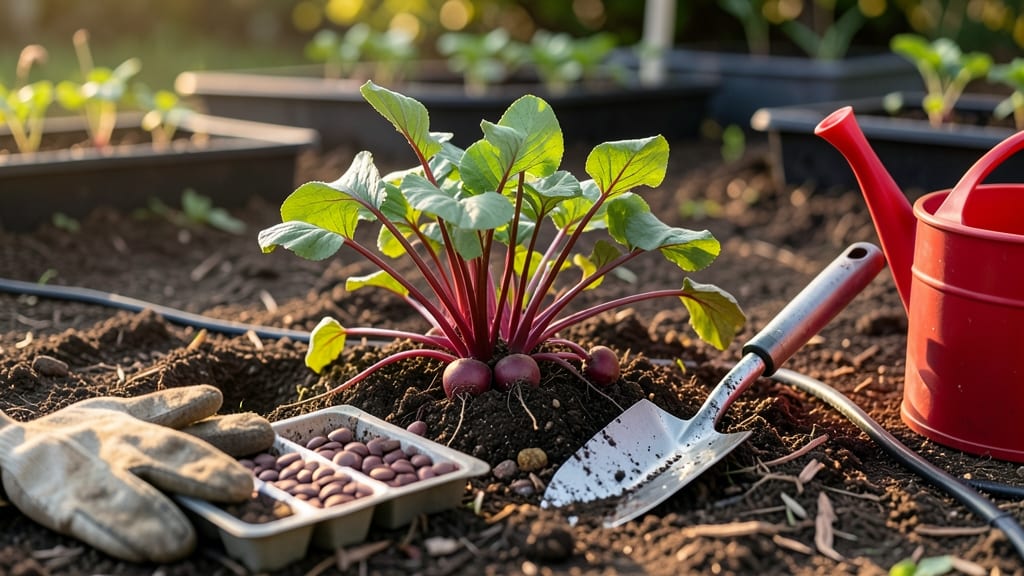
Timing your beet planting in Colorado isn't just about following a calendar—it's about beating the unpredictable frost dates that can turn your 🍠 harvest into a gamble.
Whether you're in Denver's 5b zone or the higher elevations of Colorado Springs, planting too early risks frost damage, while waiting too long means missing the sweet spot for tender roots.
Most gardeners assume March 15 is the magic start date, but that only works for lower elevations. Up in the mountains, where frost lingers until mid-April, you'll need to adjust—or risk bolting plants that bolt before they bulk up.
The key? Planting in two waves: early spring for June harvests and late summer for fall feasts.
I've tested these windows across Colorado's diverse zones, and the difference between a bitter, woody beet and a sweet, juicy one often comes down to soil temperature and frost timing.
Let me walk you through the exact frost-free windows for your elevation—and how to stretch your harvest season with smart spacing and variety choices.
You'll learn which beet varieties thrive in Colorado's thin soils, how to protect seedlings from late frosts, and when to start your second planting for a continuous harvest from June through November. No more guesswork—just data-driven timing for your Rocky Mountain garden.
Colorado beet planting calendar by elevation zone (2024)
Colorado’s elevation zones dramatically impact when you can plant beets. At 5,000 feet in Denver, your frost-free window differs from high-altitude gardens near Leadville at 10,000 feet.
Understanding these microclimates ensures your beets thrive without bolting or freezing. Let’s break down the optimal planting windows for Colorado’s three key regions.
For Front Range gardens (Denver, Fort Collins, Colorado Springs), aim to plant beet seeds between March 15 and April 30 for spring harvests. In Western Slope areas (Grand Junction, Durango), start slightly earlier—February 28 to April 15—thanks to milder winters.
Meanwhile, mountain regions (Eagle County, Summit County) should wait until April 15 to May 15 to avoid late frosts.
Fall planting follows the opposite logic. In the Front Range, sow seeds from August 1 to September 15 for late-season harvests. Western Slope gardeners can extend this to September 15 to October 1, while high-altitude growers must finish by August 15 to avoid early snow.
Here’s the frost-free timeline you need to know for each region:
Pro tip: Use row covers to extend your spring planting window by 2–3 weeks in colder zones. These lightweight fabrics protect seedlings from late frosts while allowing sunlight to penetrate. For high-altitude gardens, opt for cold-hardy varieties like ‘Detroit Dark Red’, which tolerates temperatures down to 20°F.
If you’re in a microclimate—like a sheltered valley or urban heat island—adjust your timeline by 1–2 weeks. For example, Colorado Springs (USDA Zone 6a) can plant slightly earlier than Denver (Zone 5b), while Boulder’s foothills may need to delay by a week due to cooler nights.
For a continuous harvest, stagger your plantings every 2 weeks in spring and 3 weeks in fall. This ensures a steady supply of tender beets from June through November.
Just remember: overcrowded seedlings lead to small, misshapen roots, so thin them to 3–4 inches apart once they’re 2 inches tall.
Colorado’s alkaline soils can also affect beet growth. Amend your beds with compost or peat moss to lower pH slightly, aiming for a neutral 6.0–7.0 range. This prevents bolting and ensures sweet, tender roots instead of woody ones.
Finally, monitor your local weather forecasts in the weeks leading up to planting. A sudden cold snap in April or a heatwave in August can derail your harvest.
When in doubt, err on the side of caution—beets are forgiving and can handle light frosts, but they won’t recover from prolonged heat stress.
How to adjust beet planting for Colorado’s unpredictable weather
Colorado’s weather can throw even the most experienced gardeners for a loop—late spring frosts, sudden hailstorms, and early mountain frosts all threaten your beet harvest. But with the right adjustments, you can outsmart Mother Nature and still enjoy sweet, tender roots all season long. The key? Flexibility and preparation.
First, understand that high-altitude gardens (like those above 6,000 feet) face shorter growing seasons and colder soils. Even in Denver or Colorado Springs, a late frost in May can wipe out young seedlings overnight.
That’s why I always plan for two planting windows: early spring and late summer, with backup strategies for each.
For late frosts, use row covers or cold frames to protect seedlings until soil temperatures stabilize. A simple floating row cover can add 2-4°F protection and buy you 2-3 extra weeks of planting time. I’ve even seen gardeners use old window screens in a pinch—they work surprisingly well!
Here’s my go-to checklist for Colorado’s unpredictable weather:
Don’t forget about late-summer planting—this is your safety net for a second harvest. Aim for August 1-15 in most of Colorado, but adjust for your elevation. For example, Fort Collins gardeners can push it to mid-August, while Aspen should start by July 20 to avoid early frosts.
If you’re gardening in high-altitude areas (like near Leadville or Durango), prioritize fast-maturing varieties (like Babybeat) and consider container gardening near your home for easier protection. With these tweaks, you’ll turn Colorado’s quirks into opportunities for bountiful, homegrown beets—no matter what the forecast says!