
Plants
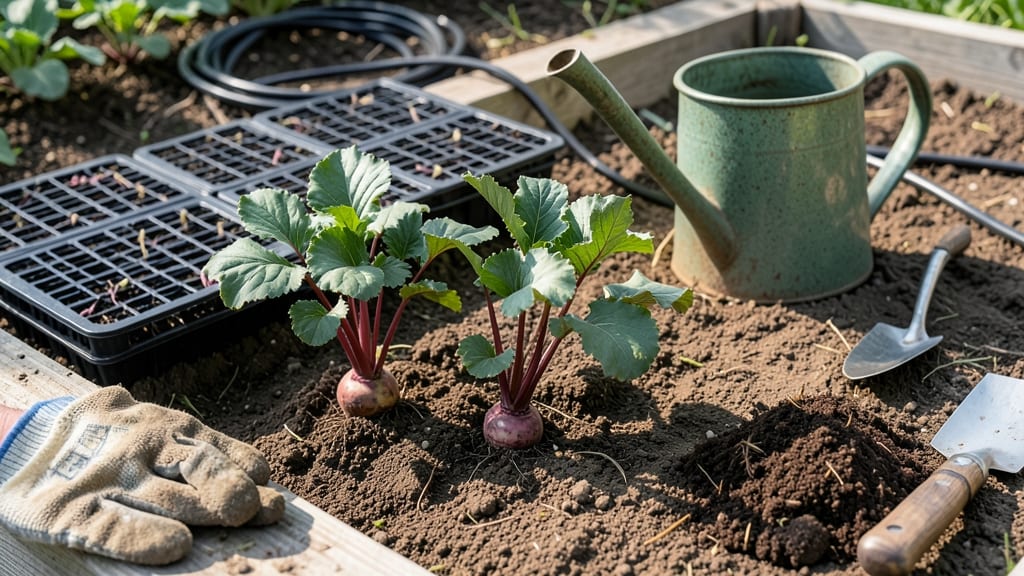
Planting beets in Southern California might seem tricky—after all, those 90°F+ summers can turn tender greens into sad, wilted messes. But here’s the secret: timing your sowing just right lets you enjoy sweet, juicy harvests from fall through spring, even in desert climates.
The key is avoiding the heat. While most gardeners think of spring planting, Southern California’s 9b-11 zones actually reward you for starting seeds in September through March. This way, your 🍠 beets mature before the scorching summer sun triggers bolting—or worse, bitter roots.
I’ve tested this approach in my own garden, and the results speak for themselves: consistent harvests from November to June, with minimal fuss. Whether you’re in coastal LA or the high desert near Palm Springs, the right planting window makes all the difference.
Ready to skip the guesswork? Let’s break down the exact months to plant, plus pro tips to beat Southern California’s biggest beet-growing challenges—like heat stress and soil prep hacks that actually work.
Optimal Southern California beet planting calendar by microclimate
Southern California’s diverse microclimates—from coastal breezes in San Diego to desert heat in Palm Springs—create wildly different beet-growing conditions. The key to success? Planting when soil temps stay below 75°F and days are cooler than 80°F.
Coastal areas can start earlier, while inland deserts must wait until winter. Let’s break down the perfect planting windows for your specific zone.
Coastal regions like Los Angeles and Santa Barbara enjoy milder winters and cooler summers, allowing for two planting seasons: fall and early spring. Inland areas (e.g., San Bernardino) have shorter windows due to heat, while desert zones (e.g., Palm Springs) can only grow beets in winter.
Understanding these differences ensures your beets thrive without bolting or wilting.
Here’s your microclimate-specific beet planting calendar, tailored to Southern California’s USDA zones 9b–11. Use this as your guide to avoid the summer bolting trap and maximize sweet, tender harvests.
For coastal gardeners, September is your best bet—soil stays warm enough for germination but cools as winter approaches. Inland areas should wait until October to avoid the 90°F+ heat that triggers bolting (when beets send up flower stalks and become woody).
Desert zones have the shortest window: plant in November for a January–March harvest before summer arrives.
Pro tip: Use a soil thermometer to confirm temps. Beets germinate best in 60–75°F soil. If your soil is warmer, wait 1–2 weeks or use shade cloth to cool the ground. In desert areas, mulch heavily with straw to retain moisture and regulate temperatures.
If you’re in a transition zone (e.g., Orange County or Venturaearlier planting. These areas can experience unpredictable heat spikes in late spring. For example, plant in late February instead of March to ensure harvest before summer arrives.
Remember: Beets are cool-season crops, meaning they thrive in 50–75°F air temps. Once daytime highs exceed 80°F, growth slows, and roots become tough.
By aligning your planting with these microclimate guidelines, you’ll avoid the heartbreak of bolted or bitter beets and enjoy a steady supply of sweet harvests.
For year-round production, stagger plantings every 2–3 weeks from September through March. This ensures a continuous harvest without gaps. Just be sure to harvest before summer heat—even the hardiest varieties struggle once temps climb above 85°F.
🌱
Optimal Southern California beet planting calendar by microclimate
Southern California’s diverse climates—from coastal breezes to desert heat—create three distinct planting zones for beets. Coastal areas like San Diego and Santa Barbara enjoy milder winters, while inland cities like Los Angeles and Riverside face occasional frost.
Desert regions (e.g., Palm Springs) require early fall sowing to avoid summer bolting. Let’s break down the perfect planting windows for each microclimate.
Coastal regions (USDA zones 9b-10) have the longest growing season. You can start sowing beet seeds as early as August for a fall harvest, then plant again in October-November for spring crops.
Inland areas (zones 9a-10) should focus on September-October sowings to avoid heat stress, while desert zones (zone 11) need August-September plantings to beat the summer sun.
Here’s how to align your planting with local conditions for maximum yield and sweetness:
| Microclimate | Best Planting Months | Heat Tolerance Threshold | Key Adjustments |
|---|---|---|---|
| Coastal (San Diego, Santa Barbara) | August, October-November | Up to 85°F (bolting risk above 90°F) | Extend season with shade cloth in summer |
| Inland (Los Angeles, Riverside) | September-October | Up to 80°F (bolting at 85°F+) | Use mulch to retain moisture |
| Desert (Palm Springs, Coachella) | August-September | Up to 75°F (bolting at 80°F+) | Plant in shaded beds or containers |
For coastal gardeners, a late summer sowing (mid-August) gives you beets ready by October, just in time for holiday meals. Inland growers should prioritize September plantings to avoid the October-November heat spikes that trigger bolting.
Desert gardeners must act fast—August is the last chance before temperatures become lethal. Pro tip: Use a soil thermometer to monitor temperatures; beets thrive when soil stays below 75°F.
If you miss the ideal window, don’t despair! Succession planting every 2-3 weeks from September through January ensures a continuous harvest. For example, sow a batch in early September, then again in mid-October and early November to stagger maturity.
This method works especially well in coastal zones where winters are mild.
One common mistake is planting too late in spring (April-May). While possible, beets sown after March often bolt prematurely due to rising temperatures. Instead, treat spring as a transition period—harvest any remaining fall-planted beets and focus on leafy greens (like Swiss chard) that tolerate heat better.
For a second chance, try shade-tolerant varieties like 'Fordhook' in partial shade during May-June.
Remember, soil preparation is just as critical as timing. Amend your beds with compost and aged manure before planting to improve moisture retention. In desert areas, raise beds to insulate roots from extreme heat.
With the right schedule and care, you’ll enjoy homegrown beets year-round, even in Southern California’s toughest climates! 🌱