
Plants
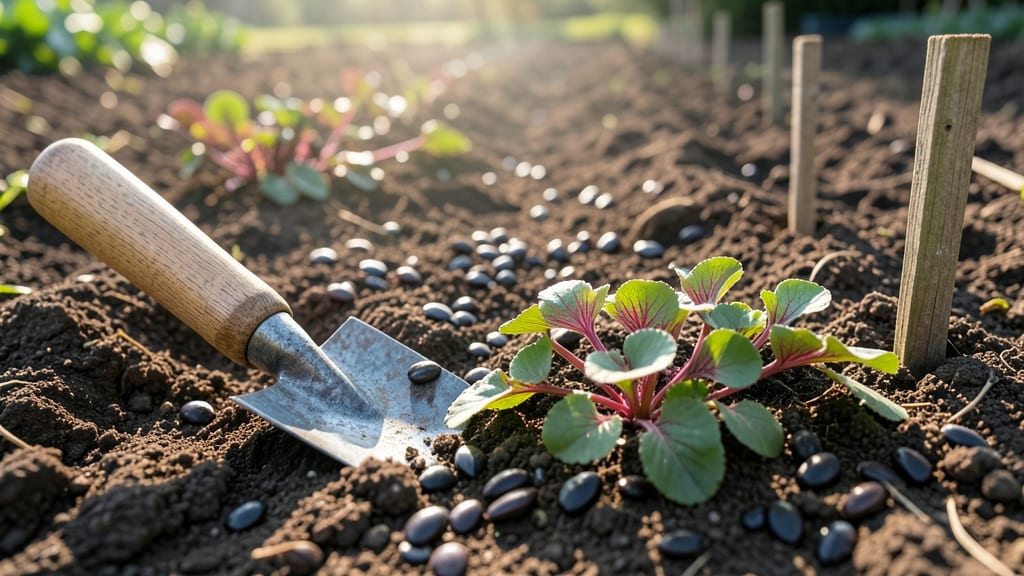
If you've ever planted beets in Zone 6b only to watch them bolt into bitter greens before you could even harvest, you're not alone—and the solution starts with perfect timing.
Beets are cool-season crops that thrive when temperatures stay mild, making spring and fall the ideal planting windows in Zone 6b. Plant too early, and frost will stunt growth; too late, and heat will trigger bolting. I'll show you exactly when to sow seeds for sweet, tender harvests every season.
For spring plantings, aim for early March to mid-April when soil temperatures hover around 50°F, while fall offers a second chance with July to August sowings. The key is avoiding heat stress and day-length sensitivity that turns your beets into leafy disappointments.
Whether you're a first-time gardener or a seasoned grower, mastering these timing tricks will give you a steady supply of 🍠 from June through November. Let's dive into the exact planting schedule that works for Zone 6b's climate quirks.
Optimal spring planting dates for beets in Zone 6B
If you’ve ever planted beets in Zone 6B only to watch them bolt into bitter greens before forming sweet roots, you’re not alone. The key to success lies in timing your spring planting precisely—when soil temperatures are cool but not freezing, and day lengths won’t trigger premature flowering.
In Zone 6B, this window is narrow but critical for avoiding heat-induced bolting.
Beets thrive as cool-season crops, meaning they prefer temperatures between 50°F and 75°F. Planting too early in cold soil or too late when heat arrives will stress your plants.
For Zone 6B, aim to sow seeds 4-6 weeks before your last expected frost date, which typically falls around April 15. This gives you a target window of mid-March to early April for your first planting.
But here’s the catch: soil temperature matters more than air temperature. Beet seeds won’t germinate well in soil colder than 40°F. Use a soil thermometer to confirm your garden bed has reached at least 45°F before planting.
In northern Zone 6B (closer to the Canada border), wait until late March when soil warms consistently. Southern Zone 6B (near the Ohio River or Appalachians) can start as early as mid-March.
Pro tip: Stagger your plantings every 2 weeks after your initial sowing. This ensures a continuous harvest and reduces the risk of bolting from fluctuating temperatures. For example, if you plant on March 15, follow up with seeds on April 1 and April 15.
| Stage | Action | Zone 6B Timing |
|---|---|---|
| Soil Prep | Test pH (6.0-7.0), amend with compost | Late February - Early March |
| First Planting | Sow seeds ½" deep, 1-2" apart | Mid-March (southern) to Late March (northern) |
| Succession Planting | Sow every 2 weeks until April 15 | April 1, April 15 |
| Thinning | Thin to 3-4" apart when 2" tall | 3-4 weeks after sowing |
| Harvest Window | Pick when roots are 1-3" diameter | June - Early July |
One common mistake is planting beets too early in cold, wet soil, which can cause rot. If your March soil is still soggy, wait until it dries out and warms to 50°F+.
Conversely, planting too late—after April 15—risks bolting as temperatures climb. Use shade cloth (30-50%) if you must plant in late April to buy time before summer heat arrives.
For bolting-resistant varieties, try ‘Detroit Dark Red’ or ‘Golden’—these handle heat slightly better than heirlooms. But no variety can outperform perfect timing. If your first planting bolts by June, switch to fall planting for a second harvest (we’ll cover that next!).
Remember: Beets are day-neutral, meaning they don’t bolt from long daylight hours alone. Instead, soil and air temperatures trigger bolting. By mastering these spring dates, you’ll enjoy sweet, tender roots all season long.
🌱
Fall planting strategy to prevent bolting and extend harvest
Fall planting gives you a second chance to grow sweet, tender beets in Zone 6b, but timing is critical. Unlike spring, fall offers cooler temperatures that naturally prevent bolting. Start sowing seeds in late July to early August—about 8-10 weeks before your first frost (typically mid-October in Zone 6b).
This window ensures beets mature before winter sets in, while still benefiting from long daylight hours.
For a continuous harvest, use succession planting every 2-3 weeks until mid-August. This staggered approach guarantees fresh beets from October through November, even as temperatures drop. The key is to avoid planting too late—seeds sown after mid-August may struggle to mature before frost, leaving you with half-grown roots.
🚨 CRITICAL: Beets planted in fall are more frost-tolerant than spring crops, but they still need protection as temperatures dip below 30°F. Use row covers or mulch to insulate the soil and roots.
A 4-6 inch layer of straw around the base keeps the ground warm and prevents heaving during freeze-thaw cycles.
Avoid These Fall Planting Pitfalls
Planting too late in fall risks immature harvests before frost. Conversely, sowing too early (before July) exposes beets to summer heat stress, triggering bolting. Always check your last frost date and count backward to calculate your final planting window.
Choose heat-tolerant varieties like 'Detroit Dark Red' or 'Golden' for fall plantings—they handle cooler temperatures better than standard types. These varieties also resist bolting from day-length changes, a common issue in late summer.
After sowing, keep the soil consistently moist but not soggy; fall beets need 1 inch of water per week until harvest.
Harvest beets before hard frosts hit, but don’t rush—roots actually sweeten in cool weather. Use a fork to loosen soil before pulling, especially in frozen ground. For an extended fall harvest, consider overwintering beets under thick mulch; they’ll survive light frosts and produce tender greens even in winter.
With the right fall strategy, you’ll enjoy homegrown beets long after summer crops have bolted. The secret? Timing, protection, and variety selection—three simple steps to beat Zone 6b’s climate challenges. 🌱