
Plants
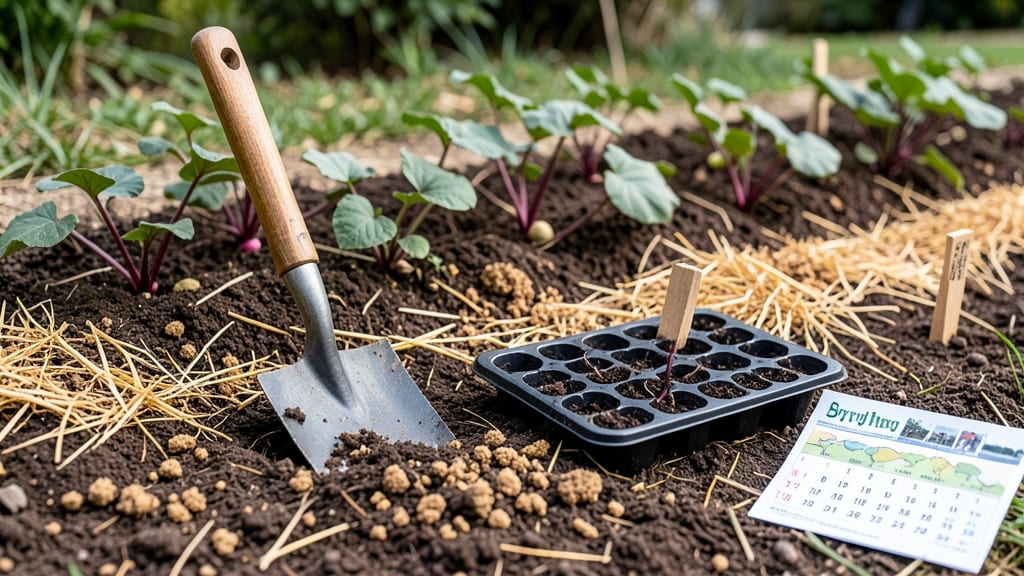
To get the best beet harvests in Zone 7a, timing is everything—plant too early, and you risk bolting; too late, and your 🍠 roots turn bitter or stunted. The key lies in understanding your local frost dates and soil temperatures, which can shift your planting window by weeks.
Most gardeners in Zone 7a swear by two main approaches: early spring sowing (March-April) for a summer harvest or late summer planting (July-August) to avoid the heat. But which works better for your climate? I’ll break down the pros and cons of each, plus tricks to extend your growing season.
If you’ve ever struggled with beets that bolt before reaching maturity or shrivel in the heat, you’re not alone. The secret isn’t just when you plant—it’s how you adapt to Zone 7a’s unpredictable swings between frost and scorching sun.
Let’s dive into the exact dates and strategies that’ll give you sweet, plump beets all season long.
You’ll discover how to time your plantings for maximum yield, avoid common pitfalls, and even squeeze in a second harvest if you’re feeling ambitious. Ready to turn your garden into a beet bonanza? Let’s get started.
Zone 7a beet planting windows: exact dates for fall and spring success
Mastering the right planting window for beets in Zone 7a means avoiding bolting (premature flowering) and bitter roots. Unlike heat-loving crops, beets thrive in cool soil—ideal between 45°F and 85°F.
In Zone 7a, where last frost hits March 15 and first frost arrives November 15, timing is critical to maximize your harvest.
Your best bets are early spring (March–April) or late summer/fall (July–August). Spring plantings give you a longer harvest window (May–June), while fall plantings avoid summer heat and yield sweeter roots by September–October. Let’s break down the exact dates and conditions for each window to ensure you plant at peak performance.
🌱 Key Takeaway: Beets planted in 50°F–60°F soil germinate fastest and avoid stress. Use a soil thermometer to check—if it’s below 50°F, wait or use black plastic mulch to warm the soil.
| Planting Window | Ideal Soil Temp (°F) | Days to Harvest | Key Risk Factors | Pro Tip |
|---|---|---|---|---|
| Early Spring (March–April) | 50°F–60°F | 50–70 days | Late frosts, slow germination | Use frost cloth for seedling protection. |
| Late Summer (July) | 60°F–70°F | 45–60 days | Bolting from heat stress | Plant shade cloth if temps exceed 85°F. |
| Fall (August) | 55°F–65°F | 50–65 days | Early frost cutting season short | Choose fast-maturing varieties like 'Babybeat'. |
For spring plantings, aim to sow seeds 4–6 weeks before your last frost date (March 15 in Zone 7a). This gives seedlings time to establish before soil warms.
If you’re eager to start earlier, use a cold frame or greenhouse to jumpstart germination in February—just be ready to protect young plants from late frosts.
In summer/fall, prioritize July plantings for a late-season harvest. Avoid sowing after August 15, as beet roots won’t mature before frost. Instead, opt for succession planting every 2 weeks in July to stagger harvests through September.
⚠️ Warning: Beets planted in soil above 80°F bolt quickly, turning bitter. Monitor soil temps with a thermometer—if it creeps higher, provide afternoon shade with row covers or shade cloth (30–50% coverage).
Pro tip: Direct sow beets—they hate transplanting. Scatter seeds ½ inch deep, 1 inch apart, and thin to 2–3 inches when seedlings are 2–3 inches tall.
This spacing prevents overcrowding and ensures plump, sweet roots. Use a starter fertilizer (5-10-10) at planting to boost early growth.
Zone 7a gardeners often ask: “Can I plant beets in fall for a winter harvest?” The answer is no—beets won’t survive freezing soil.
However, you can extend fall harvests by planting heat-tolerant varieties like 'Chioggia' or 'Cylindra' in late July and harvesting before October 15, when nighttime temps dip below 40°F.
To summarize, Zone 7a beets shine with two key plantings: early spring for a summer harvest and late summer for a fall feast. With the right timing and soil conditions, you’ll avoid bolting and enjoy sweet, tender roots all season long. 🌱
Cold-start vs warm-spring planting: which works better in Zone 7a?
Deciding between early spring and late summer beet planting in Zone 7a depends on your goals: longer harvests or faster yields. Each method has distinct advantages—and challenges—that directly impact your success. Let me break down the trade-offs so you can choose what works best for your garden.
For cold-start planting (early spring), you’ll enjoy a longer growing season with cooler temperatures that prevent bolting. However, late frosts and slower early growth can be frustrating if you’re eager for harvests. The key is protecting seedlings with frost cloth until soil warms consistently above 50°F.
On the other hand, warm-spring planting (late summer/fall) skips frost risks entirely and delivers faster harvests before winter sets in. But this method demands careful timing—plant too late, and heat stress or early frosts can ruin your crop.
Success hinges on sowing seeds 8-10 weeks before your first frost date (around late July to early August in Zone 7a).
Cold-Start Planting (Early Spring)
- Longer growing season (up to 6 months)
- Lower pest pressure early in the year
- Better root development in cool soil
- Risk of late frosts damaging seedlings
- Slower early growth (30-45 days to sprout)
- Requires frost protection (row covers, cloches)
Warm-Spring Planting (Late Summer/Fall)
- Avoids bolting in heat
- Faster harvest (45-50 days)
- Natural pest control (fewer aphids)
- Shorter season (limited to 2-3 months)
- Higher heat stress risk if planted too late
- Limited second planting opportunity
If you’re aiming for maximum yield, combine both methods: start with early spring sowings for a long harvest, then follow up with late summer plantings to extend your season.
For example, I’ve had success planting Detroit Dark Red beets in mid-March and Golden beets in early August—giving me fresh roots from May through October.
Pro tip: Use row covers or black plastic mulch to warm soil faster in spring, or shade cloth in summer to protect seedlings from intense heat. Both tricks can push your planting windows by 2-3 weeks in either direction.
Remember, soil temperature matters more than air temperature. Test it with a soil thermometer—beets thrive when soil is between 50°F and 75°F. Planting too early or too late can turn your sweet roots into bitter, woody messes. 🍠