
Plants
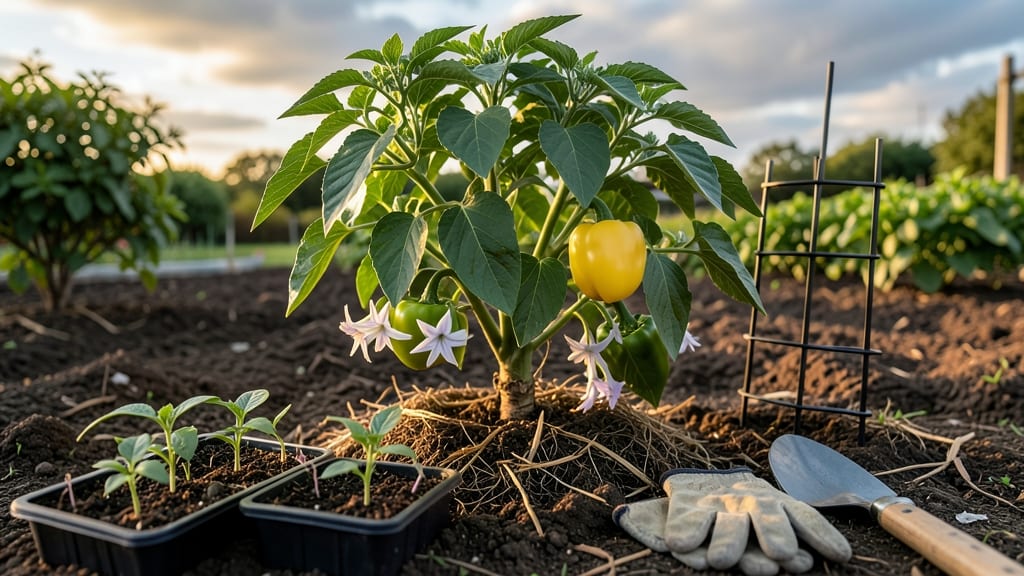
Timing your 🌶️ bell pepper planting in Arkansas isn’t just about avoiding frost—it’s about beating the region’s sweltering summer heat that can turn your garden into a sauna for plants.
The wrong window means stunted growth or worse, and even experienced gardeners in Zone 7b admit they’ve lost crops by misjudging the calendar.
Here’s the secret: Arkansas’s 60°F soil threshold and last-frost dates (usually around March 15) create a 4-week window where seedlings thrive before the heat kicks in. But there’s more to it than just dates—humidity, clay soils, and sudden storms can throw off even the best-laid plans.
I’ve grown bell peppers in Arkansas for years, and I’ll show you exactly how to nail the planting window—plus how to extend your harvest through succession planting and heat-proofing tricks. No more guessing, just guaranteed results.
Ready to grow peppers that outlast the Arkansas heat? Let’s get started with the exact calendar and climate hacks that work here.
Arkansas bell pepper planting dates: exact weeks for zero-frost success
Arkansas’s Zone 7b climate gives bell peppers a 190-day frost-free window, but timing is critical. Plant too early, and a late frost will kill tender seedlings. Too late, and summer’s 90°F+ heat stresses plants before harvest.
My 6-week ideal window—March 15 to April 30—aligns with Arkansas’s last frost averages and soil warming trends.
Bell peppers need soil temperatures above 60°F to thrive. In Arkansas, this typically happens by mid-April in northern regions (like Bentonville) and late March in southern areas (like Little Rock). Use a soil thermometer to confirm—planting in 55°F soil slows growth and invites disease.
For seedlings, aim for April 1–April 15 in most of Arkansas. Start seeds indoors 8–10 weeks before (early February) if using transplants. Arkansas’s University of Arkansas Extension recommends waiting until after April 15 in high-risk frost zones like the Ozark Mountains.
Here’s the critical timeline for Arkansas gardeners:
| Stage | Action | Arkansas-Specific Tip |
|---|---|---|
| Feb 1–15 | Start seeds indoors | Use grow lights; Arkansas’s short winter days limit natural light. |
| March 15 | Harden off seedlings | Protect from 30°F nights with row covers. |
| April 1–15 | Transplant outdoors | Wait for soil >60°F; use black plastic mulch to warm soil faster. |
| April 16–30 | Final transplant window | Southern Arkansas can plant 2 weeks earlier due to warmer microclimates. |
| May 1–15 | Succession plant for late harvests | Use shade cloth (30%) to protect from heat stress. |
Adjust your planting date based on Arkansas’s microclimates. Northern counties (e.g., Fayetteville) often see frost until April 15, while southern areas (e.g., El Dorado) may be safe by March 20. Check the National Weather Service’s Arkansas climate maps for real-time adjustments.
For container gardening, plant 2 weeks later than in-ground dates. Pots heat up faster and dry out quicker, so delay until mid-April to avoid stress. Use 5-gallon containers with well-draining soil to mimic Arkansas’s native sandy loam.
If you miss the spring window, consider fall planting for late-season harvests. Start seeds indoors July 1–15 and transplant by August 15, using row covers to extend the season until first frost (Nov 15).
Arkansas’s humidity makes fall planting riskier, but varieties like ‘Arkansas Wonder’ tolerate cooler temps better.
Pro tip: Plant bell pepper companions like basil, marigolds, or onions to deter pests (e.g., aphids) that thrive in Arkansas’s damp summers. Avoid planting near fennel, which stunts pepper growth.
🌱
How to extend Arkansas bell pepper season: staggered planting for continuous harvests
Arkansas’s humid subtropical climate means bell peppers can thrive nearly year-round with the right strategies. But instead of one big harvest, succession planting lets you enjoy fresh peppers from summer into fall—and even overwinter with protection.
The key? Staggered starts every 2 weeks from late March through June, paired with Arkansas-specific tricks to beat heat and humidity.
Start your first batch March 15–30 under floating row covers to shield seedlings from late frosts. These lightweight covers raise soil temps by 5–10°F, helping peppers germinate faster in Arkansas’s slow-warming clay soils. Remove covers once plants hit 4–6 inches tall—usually by early May—to avoid overheating.
For late-season plants (June onward), use shade cloth (30–50%) to protect peppers from Arkansas’s 90°F+ afternoons, which can scorch leaves and stunt growth.
🌶️ Pro Tip: Arkansas’s high humidity (average 78% in summer) increases fungal risks like blossom end rot. Space plants 18–24 inches apart and mulch with straw or pine needles to keep soil moist without soggy roots.
This dual approach—succession planting + climate control—extends your harvest window by 6–8 weeks compared to single-season planting.
- March 15–30: Plant first batch under row covers; soil temp must hit 60°F+.
- April 15: Second batch; remove covers if no frost risk (check Arkansas Climate Office).
- May 1–15: Third batch; add shade cloth if temps exceed 85°F.
- June 1: Final batch for fall harvest; use dwarf varieties (e.g., 'Lunchbox') to avoid heat stress.
For overwintering peppers, choose heat-tolerant varieties like 'Carolina Wonder' or 'NuMex Sandia' and transplant mature plants into containers by October. Move pots to a sunroom or greenhouse before November’s first frost (avg. Nov 15).
With grow lights (12+ hours/day), you can harvest peppers through December–January—just like commercial growers in Arkansas’s Zone 7b/8a do!
💡 Arkansas Hack: Use black plastic mulch to warm soil faster in spring. Lay it down 2–3 weeks before planting—it’ll raise soil temps by 5–10°F, helping peppers germinate 3–5 days earlier than in bare soil.
Pair this with drip irrigation (set to run early morning) to avoid fungal spores splashing onto leaves—a common issue in Arkansas’s rainy summers.
By mastering these climate-specific tricks, you’ll turn Arkansas’s long growing season into a pepper-producing powerhouse. Start small with 2–3 staggered batches, track your success, and soon you’ll be enjoying homegrown peppers from May through November—or even longer with overwintering!