
Plants
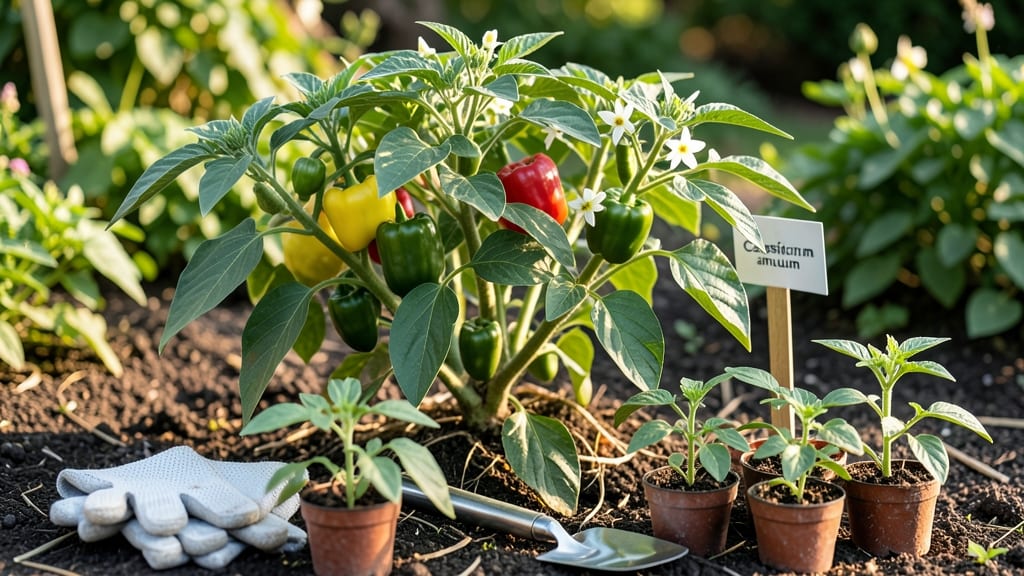
Planting bell peppers 🌶️ in Kansas isn’t just about throwing seeds in the dirt—it’s about nailing the 6-week window between your last frost and summer’s heat. Get it wrong, and you’ll either lose your plants to chilly nights or watch your harvest shrink before the first frost hits.
The good news? With Kansas’ USDA Zone 6a climate, you’ve got a reliable schedule if you know where to look.
Most Kansas gardeners swear by planting bell peppers between April 20 and May 15, once soil temperatures hit at least 60°F.
But here’s the catch: urban areas like Wichita often warm up faster than rural spots near Topeka, so local frost-free data from Kansas State University can save you from costly mistakes. Whether you’re direct-sowing or transplanting, timing matters more than you think.
I’ll walk you through the exact steps to maximize your harvest—from starting seeds indoors to adjusting for Kansas’ unpredictable weather. You’ll learn how succession planting can stretch your growing season, which varieties thrive in Zone 6-7, and when to pull the plug before October’s first frost.
Let’s turn those seeds into a bountiful harvest.
Ready to grow peppers that actually last? Skip the guesswork and use these proven strategies to make the most of Kansas’ short but sweet growing season. Your taste buds—and your dinner table—will thank you.
Optimal planting dates for bell peppers in Kansas (zones 6-7)
Bell peppers love warmth but hate frost, so Kansas gardeners must time planting perfectly. The average last frost date in USDA Zones 6-7 is around April 15, but soil temperature is just as critical—wait until it hits at least 60°F before planting.
In my experience, this usually lands between mid-April and early May, depending on your microclimate.
For transplants, start seeds indoors 8-10 weeks before your last frost date. That means mid-February to early March for most of Kansas. Hardening off seedlings in late April ensures they’re ready for the garden just as frost risk fades.
Direct sowing outdoors is trickier—only attempt it after May 1, when soil is reliably warm.
Regional differences matter! Kansas City and Topeka tend to warm up slightly earlier than Wichita, so adjust by 3-5 days. Check the Kansas State University Extension frost maps for your exact location—it’s a game-changer for planning.
🌱
| Region | Last Frost Date | Optimal Transplant Window | Direct Sowing Window | Soil Temp Requirement |
|---|---|---|---|---|
| Kansas City | April 10-15 | April 25 - May 10 | May 15 - June 1 | 60°F+ |
| Topeka | April 12-17 | May 1 - May 10 | May 20 - June 5 | 60°F+ |
| Wichita | April 15-20 | May 5 - May 15 | May 25 - June 10 | 60°F+ |
| Urban Areas (e.g., Overland Park) | April 10-15 | April 25 - May 5 | May 10 - May 20 | 60°F+ |
🌡️ Pro Tip: Use a soil thermometer to confirm warmth before planting!
If you’re starting seeds indoors, begin in late February for early transplants. Use grow lights to provide 12-14 hours of light daily—bell peppers need it to avoid leggy seedlings. I’ve found that biodegradable pots reduce transplant shock when moving outdoors.
For direct sowing, wait until mid-May at the earliest. The risk of frost drops significantly after this date, but soil temperature remains the true deciding factor. Test it with a soil thermometer—if it’s below 60°F, delay planting.
Succession planting is key in Kansas’ short season. After your first harvest in July, replant every 2-3 weeks until mid-August. This stretches your harvest through early October, just before frost hits. Varieties like ‘Carmen’ (60 days) or ‘Jupiter’ (75 days) are ideal for this strategy.
🌶️
Don’t forget to acclimate seedlings for 7-10 days before transplanting. Harden them off gradually by moving them to shadier spots outdoors each day, then to full sun. This toughens them up and prevents shock. I’ve seen seedlings wilt dramatically when rushed—take your time!
Finally, choose the right varieties for Kansas’ climate. Heat-tolerant types like ‘NuMex Sandia’ or ‘Aristotle’ thrive in our summers. Avoid long-season varieties unless you’re using row covers to extend the season.
Optimal planting dates for bell peppers in Kansas (zones 6-7)
Kansas’ USDA Zones 6-7 offer a short but productive growing season for bell peppers, but timing is critical. The average last frost date in most regions is April 15, but soil temperatures must reach at least 60°F before planting.
In Wichita, this often means waiting until mid-to-late May, while Kansas City and Topeka can start slightly earlier in late April if using row covers.
For transplants, start seeds indoors 8-10 weeks before your last frost date (around February 15-March 1). Harden off seedlings for 7-10 days before transplanting after May 1. Direct sowing is riskier in Kansas but can work if planted after May 15 when soil is consistently warm.
Here’s a quick reference for Kansas’ key regions:
| Region | Last Frost (Avg.) | Transplant Window | Direct Sow Window |
|---|---|---|---|
| Wichita (Zone 6b) | April 20 | May 15–June 1 | June 1–15 (with row cover) |
| Kansas City (Zone 6a) | April 15 | April 25–May 10 | May 10–25 (with cover) |
| Topeka (Zone 6a) | April 15 | April 20–May 5 | May 5–20 (with cover) |
Choose early-maturing varieties (like ‘Early California Wonder’ or ‘Carmen’) for Kansas’ short season—these reach maturity in 60-70 days. Avoid long-season varieties (90+ days) unless you’re using row covers or greenhouses to extend the season.
Always check local frost dates via the Kansas State University Extension or Almanac for your specific microclimate. Urban areas like Overland Park may have 2-3°F warmer soil than rural fields, allowing earlier planting.
Pro tip: Use a soil thermometer to confirm 60°F+ soil temps before transplanting. Cold soil stunts root growth and delays fruiting.