
Plants
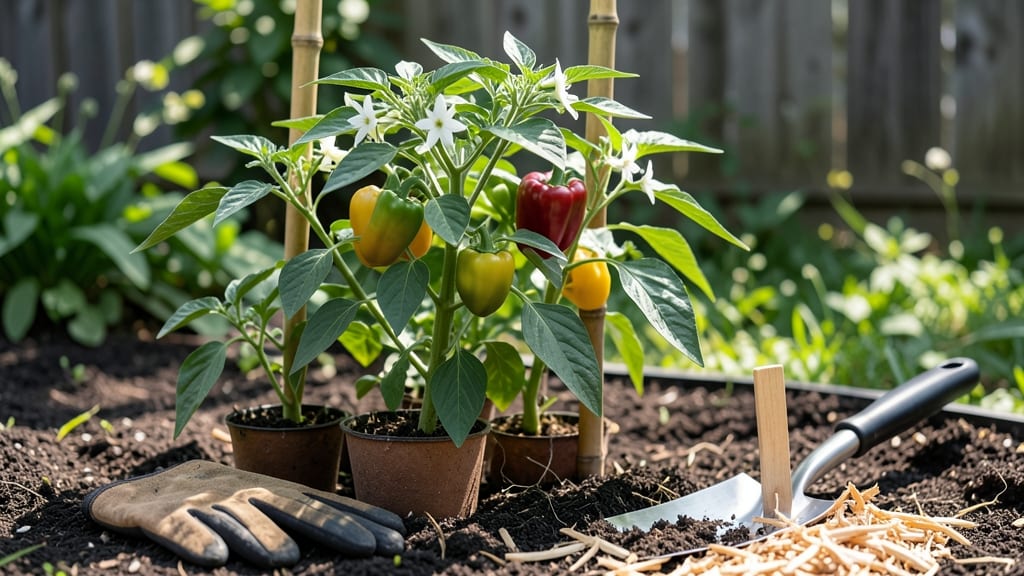
Planting your 🌶️ bell peppers at the wrong time in Washington State can mean the difference between a bountiful harvest and wasted effort. With frost dates varying wildly from the Puget Sound to Eastern WA, timing isn’t just important—it’s everything.
Most gardeners in USDA zones 6-9 (like Western WA’s 7b-9a) should wait until after the last frost—typically between April 15 and June 15—but Eastern WA’s cooler zones (5b-7a) need to hold off until May 15 or later.
Get this wrong, and your plants could bolt or succumb to late-season chill.
Whether you’re starting seeds indoors 8-10 weeks before the last frost or transplanting seedlings, the key is matching your schedule to your region’s heat units and microclimates. I’ll break down the exact deadlines—and how to adjust for Washington’s unpredictable weather—so you can avoid common pitfalls and maximize your harvest.
From Seattle’s damp coastal air to Yakima’s dry valleys, every corner of the state has its own rules. Let’s dive into the frost-free planting windows that’ll set your 🌶️ bell peppers up for success, no matter where you garden.
Washington State bell pepper planting deadlines by USDA hardiness Zone
Bell peppers thrive in Washington State’s USDA Zones 6-9, but timing is everything. The last frost dates shift dramatically from the Puget Sound to the Columbia Basin, so planting too early in Zone 6 (like Spokane) risks frost damage, while Zone 9 (like Yakima) can start earlier.
Let’s break down the exact planting windows for each region to ensure your peppers grow strong and productive.
For Western Washington (Zones 7b-9a), aim to plant after April 15, when nighttime temperatures consistently stay above 50°F. In Eastern Washington (Zones 5b-7a), wait until May 1 or later, as late frosts linger longer in areas like Pullman or Wenatchee.
These deadlines assume you’re transplanting seedlings—not direct-sowing seeds, which need even warmer soil.
🌶️
| Region | USDA Zone | Last Frost Date | Planting Window | Transplant Ready |
|---|---|---|---|---|
| Puget Sound (Seattle, Olympia) | 7b-9a | March 15–April 15 | April 15–May 15 | After May 1 |
| Western WA (Bellingham, Vancouver) | 8a-9a | March 1–April 1 | April 1–May 10 | After April 20 |
| Eastern WA (Spokane, Wenatchee) | 5b-7a | April 15–May 15 | May 1–June 1 | After May 15 |
| Columbia Basin (Yakima, Pasco) | 6b-8a | April 1–May 1 | April 15–May 30 | After April 30 |
If you’re starting seeds indoors, begin 8–10 weeks before your last frost date. For Western WA, that means January 15–February 15, while Eastern WA gardeners should wait until March 1.
Use a grow light to provide 12–14 hours of light daily—bell peppers need strong, consistent light to prevent leggy seedlings.
Soil temperature is just as critical as air temperature. Bell peppers won’t germinate well in soil colder than 60°F. Use a soil thermometer to check—if it’s below 60°F, wait a few more days or use black plastic mulch to warm the soil faster.
In cooler zones like Spokane, this might mean delaying planting until late May.
For early varieties (like ‘Early California Wonder’), you can push the envelope and plant as late as June 15 in Zone 9. These fast-maturing peppers (ready in 60–70 days) can still produce a harvest before the first frost.
Just be prepared to harvest aggressively once peppers start coloring to avoid overripe fruit.
One last tip: Heat units matter. Bell peppers need 1,000–1,200 growing degree days (GDD) to mature. In Western WA, this translates to a 165-day growing season, while Eastern WA has only 120–150 days.
Choose shorter-season varieties for cooler areas, like ‘Aristotle’ or ‘Carmen’, which tolerate lower temperatures better than ‘Jalapeño’ or ‘Poblano’.
🌱
How to adjust planting timing for Washington’s microclimates
Washington’s microclimates can shift planting windows by weeks—even within the same city. In Seattle’s urban pockets, for example, temperatures near Puget Sound stay cooler than inland neighborhoods, while Yakima’s high desert can bake seedlings if planted too early.
Understanding these nuances helps you avoid frost damage or heat stress, ensuring your bell peppers thrive.
For coastal areas like Olympia or Bellingham, aim to plant after May 1 to escape late-spring chills. Meanwhile, Eastern WA’s dry valleys (like Wenatchee) often see warmer soil earlier, allowing April 15 transplants. Use local frost-free date averages as your guide—but always confirm with a neighborhood-specific weather station.
- Urban Heat Islands: Plant 1-2 weeks later in paved areas (e.g., Seattle’s Beacon Hill) due to warmer microclimates.
- Coastal Delays: Wait until after May 15 in Olympia or Bellingham to avoid marine-layer frost.
- High Desert Rush: Start seeds indoors by March 1 for Yakima or Moses Lake to capitalize on early soil warmth.
Row covers or cold frames can push your planting window 2-3 weeks earlier in Zone 7b-8a areas. For example, in Spokane (Zone 6a), use a low tunnel to plant in early April—just remove it once nighttime temps stay above 50°F.
In Western WA’s wetter zones, prioritize well-draining soil to prevent root rot from prolonged spring rains.
If you’re in a high-altitude garden (e.g., Leavenworth at 3,000 ft), opt for shorter-season varieties like ‘Early California Wonder’ (60 days) and plant after June 1. These areas have cooler growing seasons, so heat-loving peppers need extra protection from evening chills.
For container gardening in balconies or patios, choose compact varieties (e.g., ‘Patio Snack’) and plant 2 weeks later than in-ground gardens. Containers heat up faster but also dry out quicker, so monitor soil moisture closely during summer heatwaves.
Always check your local AgWeatherNet station for real-time updates—Washington’s unpredictable spring can shift deadlines by weeks. With the right adjustments, you’ll turn even the trickiest microclimate into a bell pepper powerhouse!
🌿