
Plants
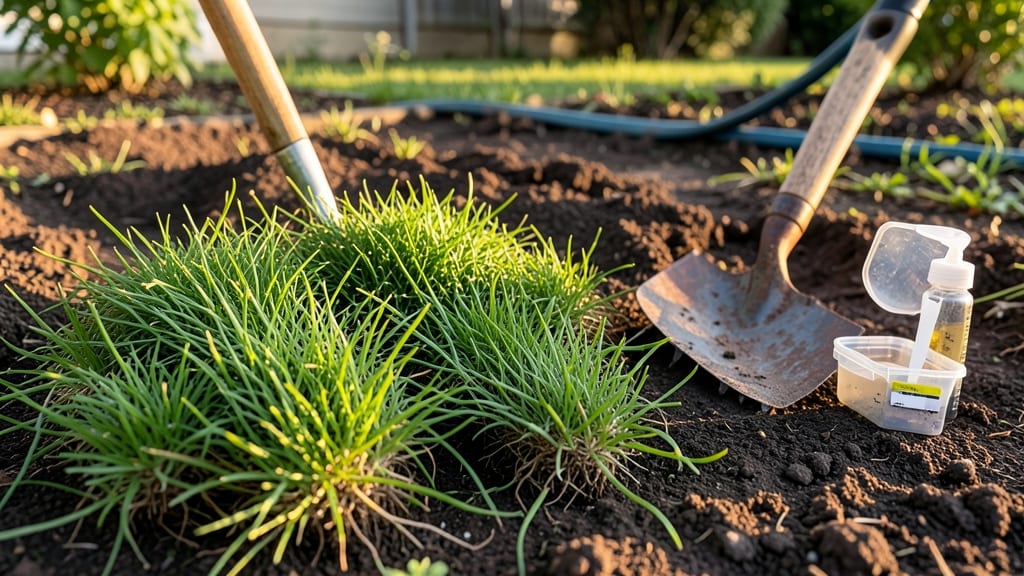
Planting Bermuda grass at the wrong time in Florida can mean the difference between a fast, drought-resistant lawn and months of struggling growth. Unlike other plants, Bermuda grass thrives in heat zones 9a-11, but timing isn't just about seasons—it's about soil temperatures and avoiding hurricane season.
The best windows are March-May for spring planting and August-September for late summer, when the soil stays warm enough for quick establishment.
If you're in North Florida, aim for early spring before summer heat peaks, while South Florida gardeners can extend planting into late summer. The key is planting when soil temps hit 65°F or higher, ensuring roots establish before winter dormancy.
Whether you choose seed or sod, proper timing cuts down on weeds and boosts your lawn's resilience.
I've tested both methods across Florida's heat zones, and the results speak for themselves: seed takes longer but is budget-friendly, while sod delivers instant coverage. Either way, the first 30 days are critical—watering deeply and avoiding foot traffic helps Bermuda grass spread faster.
Let me walk you through the exact steps to get your lawn off to the best start.
From soil prep to post-planting care, I’ll cover everything you need to know to avoid common mistakes. Whether you're a first-time homeowner or a seasoned gardener, these Florida-specific tips will help your Bermuda grass thrive year-round. Ready to transform your yard? Let’s get started.
Best planting months for Bermuda grass in Florida by heat zone
Florida’s climate isn’t one-size-fits-all when it comes to Bermuda grass planting. The state’s three distinct heat zones—North, Central, and South—dictate the best times to plant for fast germination and drought resistance.
Planting at the wrong time can leave your lawn thin, patchy, and vulnerable to weeds. Let’s break down the ideal windows for each zone, including soil temperature thresholds and regional climate quirks.
For Northern Florida (think USDA Zones 8b-9a), the sweet spot is late April to early June. This aligns with soil temperatures consistently above 65°F, which is critical for Bermuda grass seeds to sprout.
If you plant too early, cooler nights can slow germination, while waiting too late risks summer drought stress before roots establish.
In Central Florida (USDA Zone 9a-9b), you’ve got a slightly longer window: March through May. The warmer climate allows for earlier planting, but avoid February—soil temps can still dip too low, and hurricane season kicks off in June, which can disrupt new growth.
Aim for April showers to give your lawn a head start.
Southern Florida (USDA Zones 10a-11) flips the script with a late summer window: August to September. The intense summer heat (June-July) can scorch new seedlings, so waiting until after the peak allows soil to cool slightly and reduces stress.
This zone also benefits from humidity, but beware of fungal diseases—always plant in well-draining soil.
Pro tip: Use a soil thermometer to confirm temps before planting. Bermuda grass seeds need consistent warmth to germinate—don’t gamble on Florida’s unpredictable spring showers. If your soil is cooler than 60°F, wait a few weeks. Patience here means a thicker lawn later.
For sod installation, timing shifts slightly. Sod can handle cooler temps better than seeds, so Northern Florida can plant as early as March, while Central and South Florida still favor spring or late summer.
Sod’s faster establishment means less risk from hurricanes or heatwaves, but it’s pricier upfront. Weigh your budget against your timeline!
One non-negotiable across all zones: avoid planting in hurricane season (June-November). A storm can uproot new grass or bury it in debris. If you’re in South Florida and miss the August-September window, consider sod instead—it recovers faster from storms.
Finally, don’t overlook late summer as a secondary window for seeds in Central and North Florida. After the brutal summer heat, soil cools slightly in September, making it ideal for a second chance at a full lawn by winter. Just be ready to water deeply as temps drop.
Best planting months for Bermuda grass in Florida by heat zone
Florida’s climate isn’t one-size-fits-all, and neither is the best time to plant Bermuda grass. The state spans three distinct heat zones—North, Central, and South—each with unique soil temperatures and hurricane risks.
Planting at the wrong time can lead to slow establishment or even failure, especially if your lawn faces summer heat or fall storms. Let’s break down the ideal windows for each zone.
In North Florida (USDA Zones 8a-9a), where cooler winters and earlier springs occur, aim to plant Bermuda grass between mid-March and early May. Soil temperatures should consistently stay above 65°F for optimal germination.
This window avoids late-winter cold snaps and gives seedlings time to establish before summer’s peak heat arrives.
| Heat Zone | Best Planting Window | Soil Temp Threshold | Key Consideration |
|---|---|---|---|
| North Florida | Mid-March to Early May | 65°F+ | Avoid late frosts; establish before summer heat |
| Central Florida | Late March to Late May | 70°F+ | Hurricane season starts June 1; plant early |
| South Florida | August to Early September | 75°F+ | Avoid peak summer heat; post-hurricane season |
For Central Florida (USDA Zones 9a-9b), the window shifts slightly later: late March to late May. Warmer soils here mean you can start earlier, but the goal remains the same—getting seedlings established before hurricane season kicks off in June.
Soil temperatures should be 70°F or higher to prevent slow growth.
In South Florida (USDA Zones 10a-11), where winters are mild and summers are brutal, the best time to plant is late summer (August to early September).
This avoids the peak heat of June and July and aligns with the tail end of hurricane season. Soil temperatures should stay above 75°F for consistent germination.
If you’re unsure which zone you’re in, check the University of Florida IFAS Extension map or use your ZIP code to verify. Planting outside these windows can stress your grass, making it vulnerable to disease, weeds, or even death during Florida’s extreme weather swings.
Timing is everything for a lush, resilient lawn!