
Plants
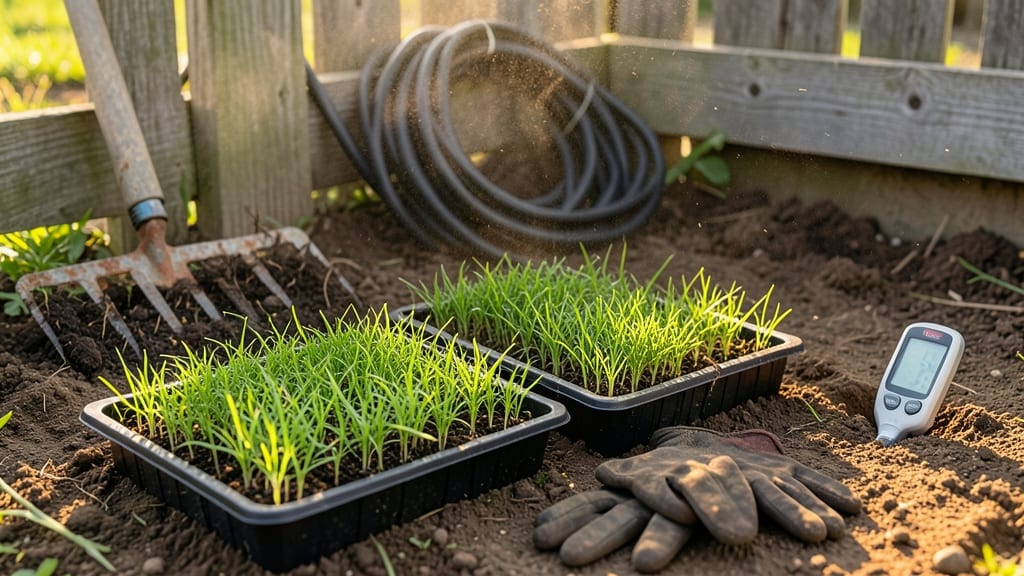
Planting Bermuda Grass 🌱 in Phoenix, AZ, isn’t just about timing—it’s about survival. The scorching summers and sudden monsoons mean one wrong move, and your lawn could struggle before it even takes root.
If you want a thick, vibrant yard that thrives in this desert climate, you’ll need to plant at the perfect moment.
Most gardeners assume spring is the only option, but Phoenix’s unique microclimates actually give you two ideal windows: early spring and late summer. The key is getting the soil temperature just right—too cool, and growth stalls; too hot, and seeds burn out.
I’ll show you exactly when to start and how to prep your soil for maximum success.
You’ll also discover why sod might be the smarter choice for Phoenix’s heat, how to adjust your watering schedule during monsoon season, and which Bermuda Grass varieties handle the desert best. With these insights, you’ll avoid the common mistakes that leave lawns thin and patchy.
Let’s dive into the science-backed strategy that’ll have your Bermuda Grass thriving in 9b’s extreme conditions—without the guesswork. Your future lawn will thank you.
Optimal planting windows for Phoenix Bermuda grass: month-by-month breakdown
Bermuda grass thrives in Phoenix’s USDA Zone 9b, but its 60-day ideal planting window hinges on soil temperature and monsoon timing.
Unlike northern climates, Phoenix’s frost-free year-round status means we focus on heat and moisture—plant too early, and seeds bake in 90°F+ soils; too late, and roots won’t anchor before summer dormancy.
My go-to window is late February through early April, when daytime highs hit 75-85°F and overnight lows stay above 55°F. This balance lets Bermuda grass establish 3-4 inches of roots before June’s brutal heat sets in.
For sod, shift slightly earlier (February) since roots pre-grow in the nursery.
Here’s the month-by-month breakdown with soil temp thresholds and Phoenix-specific adjustments:
| Month | Soil Temp (°F) | Phoenix Microclimate Notes | Root Depth Goal | Watering Adjustment |
|---|---|---|---|---|
| February | 60-68°F | Urban heat islands hit 70°F+; avoid planting after Presidents’ Day if soil >70°F. | 1-2 inches | Deep water every 5-7 days |
| March | 68-75°F | Monsoon prep begins; shift to morning watering to avoid fungal risk. | 2-3 inches | Deep water every 7-10 days |
| April | 75-82°F | Last call for spring planting; avoid after April 15 unless irrigated. | 3-4 inches | Deep water every 10-14 days |
| May | 85-90°F | High-risk window; only plant drought-resistant varieties with drip irrigation. | Minimal new growth | Bi-weekly deep soak |
Phoenix’s elevation variations (e.g., 1,100 ft in downtown vs. 2,500 ft in Scottsdale) shift soil temps by 5-10°F. Higher elevations stay cooler longer—ideal for March planting—while low-lying areas may need February timing.
Always check local weather stations for monsoon onset, which can delay planting by 2-3 weeks if soils stay soggy.
Optimal planting windows for Phoenix Bermuda grass: month-by-month breakdown
Phoenix’s USDA Zone 9b climate means Bermuda grass thrives year-round, but timing still matters. The ideal planting window spans from late February through early April, when soil temperatures consistently stay above 65°F. This period balances warmth for germination with avoiding summer heat stress.
Bermuda grass seeds need consistent moisture and warmth to sprout, but Phoenix’s triple-digit heat in June can scorch young plants. Planting in spring gives roots 60-90 days to establish before summer dormancy kicks in.
🌱 Phoenix Bermuda Grass Planting Timeline
| Month | Soil Temp (°F) | Planting Action | Root Depth Goal |
|---|---|---|---|
| February | 60-65°F | Prep soil, test pH (6.0-7.5) | 0 inches (prep only) |
| March | 65-75°F | Plant seeds/sod (peak window) | 2-3 inches (establishment) |
| April | 75-85°F | Fertilize (16-4-8), reduce watering | 4+ inches (dormancy prep) |
| May | 85-95°F | Enter summer dormancy | Maintain depth |
💡 Pro Tip: Use a soil thermometer to confirm 65°F+ before planting—cold snaps in February can delay germination.
For sod installation, aim for late March when roots can establish before summer. Sod needs immediate watering to prevent drying, and Phoenix’s low humidity demands deep watering 2x daily for the first week.
If you miss spring, a secondary window exists in late August for fall establishment. This lets grass grow through fall rains before winter slows growth. However, monsoon timing (July-September) can complicate this—wait until after heavy rains to avoid waterlogged soil.
Urban areas like Scottsdale or Tempe may experience earlier heat due to urban heat islands. Adjust planting 1-2 weeks earlier in these zones, monitoring soil temps closely.
Always test soil pH before planting—Bermuda grass prefers 6.0-7.5. If your soil is alkaline (common in Phoenix), amend with sulfur or peat moss 4-6 weeks before planting to avoid nutrient lockout.