
Plants
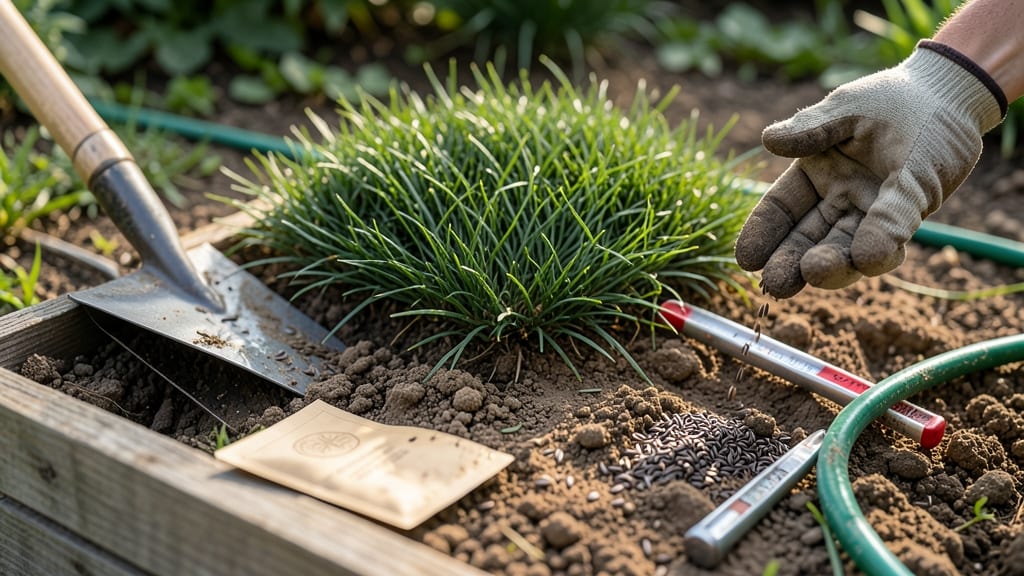
Planting Bermuda grass seed 🌱 in North Carolina at the wrong time can mean the difference between a thick, drought-resistant lawn and months of frustration—here’s exactly when to plant for fast root growth.
If you’ve ever watched your seedling efforts fizzle under NC’s heat or rain, you’re not alone. The key isn’t just picking a month—it’s waiting for soil temperatures to hit 65°F+ and avoiding the brutal summer sun.
I’ll break down the two best windows (spring and fall) and how to prep your soil for success.
Most gardeners in zones 6a-8b swear by late April to early June or August to early September—but timing isn’t one-size-fits-all. Coastal areas may need adjustments, while Piedmont regions can push later. Let’s dive into the tricks that’ll have your Bermuda grass thriving in 30 days or less.
Ready to skip the guesswork? I’ll walk you through soil tests, watering schedules, and even when to hold off—so you can finally enjoy that lush, low-maintenance lawn without the trial and error.
Best planting months for Bermuda grass seed in North Carolina
Bermuda grass (Cynodon dactylon) thrives in North Carolina’s heat but only germinates when soil temperatures hit 65°F or higher. Planting too early risks seed rot, while waiting too long may delay establishment.
The ideal windows are late April through early June (spring) and August through early September (fall), aligning with NC’s frost-free periods and summer heat tolerance.
North Carolina’s USDA zones 6a–8b create microclimates where timing varies slightly. Coastal areas (like Wilmington) can start 1–2 weeks earlier than Piedmont (Raleigh) or Mountain regions (Asheville). For example, Zone 8b (southern NC) may see March plantings in mild winters, while Zone 6a should wait until mid-April.
Spring plantings benefit from longer daylight hours and warmer soil, but summer heat can stress new seedlings. Fall plantings avoid extreme heat but must finish 6–8 weeks before frost to establish roots. Aim for 60–70°F soil temps—the sweet spot for germination.
⚠️ PRO TIP: Check the NC State Extension’s frost calendar for your county. For instance, Asheville (Zone 7a) has a last frost date of April 15, while Charlotte (Zone 8a) typically sees March 20 as the cutoff.
Here’s how regional climate zones influence your planting schedule:
| Region | USDA Zone | Best Spring Planting Window | Best Fall Planting Window | Soil Temp Threshold |
|---|---|---|---|---|
| Coastal (Wilmington) | 8a–8b | March 20–April 30 | August 1–September 15 | 65°F+ |
| Piedmont (Raleigh) | 7a–7b | April 15–May 15 | August 15–September 10 | 68°F+ |
| Mountains (Asheville) | 6a–7a | May 1–June 1 | September 1–15 | 70°F+ |
For spring plantings, prioritize late April–early May when soil warms to 70°F+. This balances germination speed and summer heat avoidance. Use a soil thermometer to confirm—plant when temps stay above 65°F for 5+ days.
In Zone 8b, you might push to March, but risk frost damage if nights dip below 40°F.
Fall plantings should start 8–10 weeks before first frost. In Raleigh (Zone 7b), that’s August 1–15. Seedlings need time to develop deep roots before winter dormancy. September plantings in Zone 6a (like Boone) are riskier—opt for late August instead.
Bermuda grass goes dormant in winter but resumes growth in spring. Planting in fall gives roots a head start, while spring plantings catch up faster in warmer months. Both strategies work, but soil temperature is the deciding factor, not just the calendar month.
If you’re in doubt, err on the side of later plantings. Bermuda grass is heat-loving but not frost-tolerant. A 2-week delay to ensure 65°F+ soil beats a failed germination from planting too soon. For coastal NC, March–April is ideal; for mountain regions, May–June is safer.
🌱
Soil temperature secrets: how to test and prepare for Bermuda grass seed success
Bermuda grass seed thrives when planted in warm soil, but many gardeners in North Carolina make the mistake of planting too early. The key is waiting until the soil temperature consistently reaches 65°F or higher—this triggers faster germination and stronger root growth.
Without this warmth, seeds may rot or take weeks to sprout, leaving your lawn vulnerable to weeds.
North Carolina’s climate varies dramatically from the Coastal Plain (warmer, earlier planting) to the Mountains (cooler, later planting). For example, in USDA Zone 7b, soil warms up by mid-April, while in Zone 6a, you may need to wait until late May.
Always check your local microclimate—shady or high-elevation areas stay cooler longer.
🌱
Avoid These Planting Mistakes
- ❌ Planting when soil temps are below 60°F → seeds rot or fail to germinate.
- ❌ Skipping soil prep → compacted or cold soil blocks root penetration.
- ❌ Overwatering after planting → suffocates seeds and causes fungal issues.
To test your soil temperature, use a soil thermometer (available at garden centers for under $10). Insert it 2–3 inches deep in the ground on a sunny day—this is where seeds will germinate.
If the reading is below 65°F, wait 7–10 days and retest. Pro tip: Morning readings are more reliable than afternoon spikes caused by sun exposure.
Preparing your soil is just as critical as timing. Bermuda grass loves well-draining, slightly acidic soil (pH 6.0–7.0). Start by tilling the top 4–6 inches to loosen compacted soil, then mix in compost or sand if your soil feels heavy.
For sandy soils common in Coastal NC, add organic matter to retain moisture during germination. A quick pH test (available in garden kits) ensures your soil won’t stunt growth.
Once your soil hits the sweet spot of 75–85°F, it’s go time! Spread seeds evenly (use a broadcast spreader for large areas) and lightly rake them into the top ¼ inch of soil. This depth ensures contact with warm earth while protecting seeds from birds.
Water gently but thoroughly—aim for 1–1.5 inches of moisture per week—and avoid walking on the area until germination (usually 7–14 days in ideal conditions).
💧