
Plants
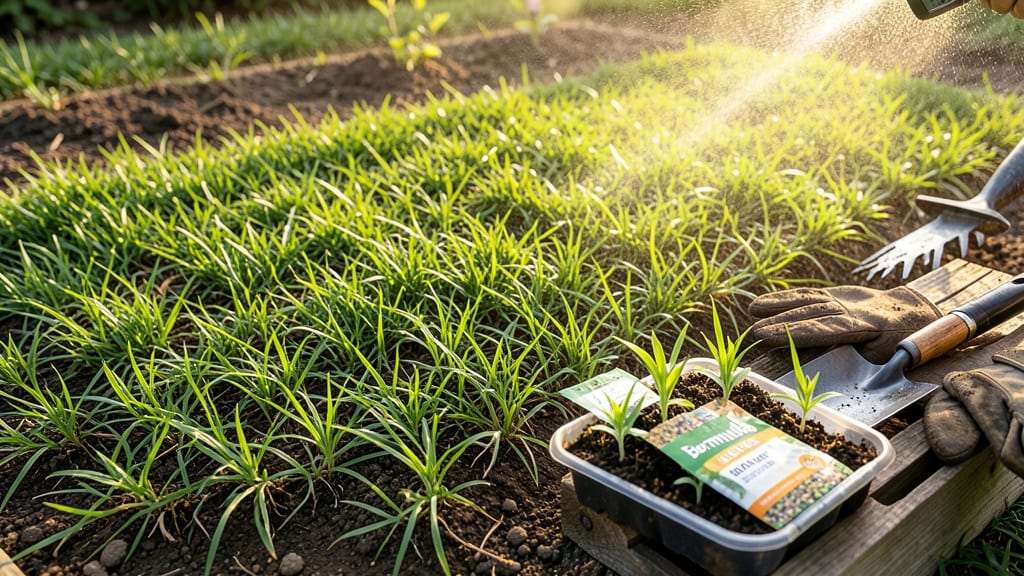
Planting Bermuda grass in Tennessee at the wrong time could leave you staring at brown patches all summer—when the soil is too cold or too hot, the seeds just won’t take.
The fastest way to a thick, heat-resistant lawn is timing it right, and the ideal window is late spring to early summer when temperatures consistently hit 65°F.
Why does this matter? Bermuda grass thrives in Tennessee’s 6a-7b zones, but it’s picky about when it gets planted. Too early, and frost will kill new sprouts. Too late, and summer heat stresses the grass before it establishes.
I’ll break down the exact deadlines for your region and how to prep your lawn for fast germination.
You’ll learn how to check soil temps, adjust for microclimates, and avoid common mistakes that slow growth. Whether you’re seeding or laying sod, these steps cut weeks off your wait time for that lush, green lawn you’ve been dreaming of.
Let’s get into the details—because in Tennessee, the difference between a 5-minute setup and a 5-month struggle often comes down to planting date.
Optimal Tennessee planting deadlines: spring vs fall schedule for Bermuda grass
In Tennessee, timing your Bermuda grass planting is everything—especially when balancing spring warmth with fall frost risks. The ideal window is late April to early June, when soil temperatures hit 65°F+ and last frost threats fade.
But if you’re in southern Tennessee, you might squeeze in an early fall planting by mid-August.
Northern Tennessee gardeners (USDA zones 6a-6b) should focus on spring planting only, as fall’s earlier frosts can stunt young roots. Meanwhile, middle and southern regions (7a-7b) have a slightly longer window, allowing for late summer attempts if you’re patient with watering.
Here’s the key: Soil temperature matters more than calendar dates. Use a soil thermometer—plant when readings hit 65°F+ consistently for 5+ days. In Nashville, this usually lands in mid-April, while Memphis may wait until early May.
Bermuda grass is warm-season, meaning it thrives when nights stay above 50°F. Planting too early risks frost damage or slow germination. Conversely, waiting until July means missing the peak growth window before summer heat peaks.
🌱
| Region | Best Planting Window | Soil Temp Threshold | Key Consideration |
|---|---|---|---|
| Northern TN (Chattanooga, Knoxville) | Late April–Early June | 65°F+ (consistent) | Avoid late frost risks; prioritize spring only. |
| Middle TN (Nashville, Murfreesboro) | Mid-April–Early July | 65°F+ (consistent) | Flexible window; fall planting possible by mid-August. |
| Southern TN (Memphis, Jackson) | Early May–Late August | 65°F+ (consistent) | Longer fall window; monitor first frost (Nov 15+). |
| All Regions | Avoid September+ | N/A | New growth won’t establish before fall dormancy. |
For sod vs. seed, adjust timelines slightly. Sod can handle slightly cooler soil (60°F+) but still needs warm nights. Seeds, however, demand 70°F+ soil for reliable germination—wait until late May in cooler zones.
Pro tip: If you’re overseeding existing grass, time it for late spring when Bermuda grass is actively growing. This gives new seedlings a 30-day head start before summer heat peaks.
Watering is critical post-planting. Bermuda grass needs 1 inch of water weekly (daily for seeds) until roots establish. In June-August, increase to deep watering every 3-5 days to combat Tennessee’s intense heat.
💧
Remember: Fall planting is risky but possible in southern TN if you plant by August 15 and protect seedlings with row covers during September chill. Most experts recommend spring for beginners—it’s 50% faster to a full lawn.
✅
Optimal Tennessee planting deadlines: spring vs fall schedule for Bermuda grass
Tennessee’s 6a-7b climate zones create two distinct planting windows for Bermuda grass: late spring and early fall. The best time to plant is when soil temperatures hit 65°F+ consistently, which typically falls between mid-April and early June for most regions.
In the south, you might start as early as March, while northern Tennessee waits until May.
Fall planting is trickier—only attempt it after mid-August to allow 6-8 weeks of growth before the first frost. In Tennessee, this usually means planting by September 15th in the north and October 1st in the south. Miss these deadlines, and your grass won’t establish before winter dormancy.
Here’s how to check if your soil is ready: Use a soil thermometer (insert 4 inches deep) for 5 consecutive days at 65°F+.
In Tennessee, this often aligns with average last frost dates (March 15 in the south, April 15 in the north), but don’t rely on frost dates alone—soil temp is the real indicator.
| Factor | North Tennessee (6a) | South Tennessee (7b) |
|---|---|---|
| Ideal Planting Window | Late May–Early June | Mid-April–Mid-May |
| Soil Temp Threshold | 65°F+ (consistent) | 65°F+ (consistent) |
| Last Frost Date | April 15 | March 15 |
| Fall Planting Deadline | September 15 | October 1 |
| Microclimate Adjustment | Wait 2 weeks longer in valleys | Start 2 weeks earlier on hills |
Microclimates matter! Tennessee’s mountain valleys stay cooler longer, so delay planting by 2-3 weeks compared to hilltops. Conversely, urban areas like Nashville or Chattanooga may hit 65°F soil temps a week earlier than rural zones. Always monitor your specific spot—don’t assume your neighbor’s timeline applies to you.
Pro tip: If you’re using Bermuda grass sod, you’ve got a 2-week window after seeds to plant. This flexibility lets you adjust for late springs. Just ensure the sod’s roots are 1-2 inches deep before rolling it out—thinner roots mean slower establishment.
Timing isn’t just about months—it’s about soil conditions. Even if it’s May, if your soil is still below 65°F, wait. Use a moisture meter too; Bermuda grass needs consistent moisture to germinate, but soggy soil causes rot.
Aim for 1 inch of water weekly until the grass is 3 inches tall.
Missed the spring window? Don’t panic—just skip fall planting. Bermuda grass won’t survive Tennessee winters if planted too late. Instead, focus on soil prep now and plant next spring. A well-prepared bed makes all the difference in fast germination and heat resistance once summer arrives.