
Plants
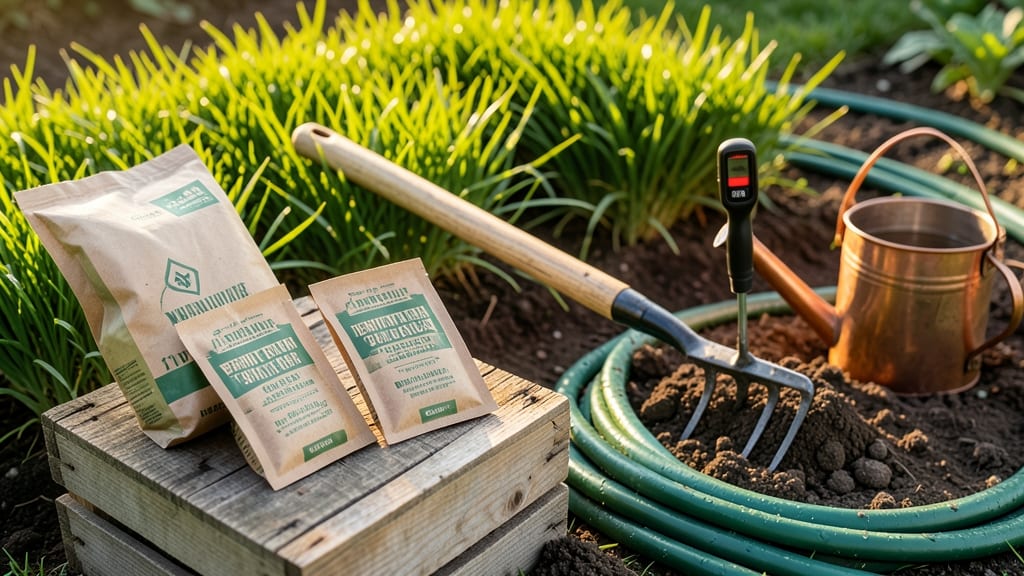
Planting Bermuda grass seed in Georgia isn’t just about timing—it’s about giving your lawn the best shot at deep, drought-resistant roots that can handle the state’s brutal summers.
The difference between a thin, patchy lawn and one that stays lush under Georgia’s heat often comes down to those critical 2-3 weeks when soil temperatures and moisture align just right.
If you’ve ever watched your grass struggle through Georgia’s 90-degree afternoons or brown out after a dry spell, you know how frustrating it can be.
But here’s the good news: Bermuda grass thrives when planted at the perfect moment—typically between mid-April and early June—when the soil warms up and the risk of frost has passed.
I’ll walk you through the exact windows, soil prep secrets, and post-planting care to ensure your grass takes root deep and stays strong all season.
Let’s start with the ideal planting months for your Georgia zone, whether you’re in the cooler 7a areas or the warmer 8b regions. You’ll also discover how to adjust for early vs. late varieties, plus the three non-negotiable rules that separate successful lawns from failed attempts.
Ready to transform your yard into a thick, green carpet that outlasts the heat?
From soil temperature thresholds to irrigation hacks that beat Georgia’s humidity, this guide covers everything you need to know. By the end, you’ll not only know when to plant but how to give your Bermuda grass the fighting chance it deserves against the elements.
Best months to plant Bermuda grass seed in Georgia for maximum root depth
Georgia’s climate—hot, humid, and prone to sudden summer heatwaves—means timing is everything when planting Bermuda grass seed. The ideal window for deep root establishment is mid-April to early June, when soil temperatures consistently stay above 65°F.
This timing ensures your grass develops 6-8 inches of roots before summer’s peak, making it drought-resistant and resilient to Georgia’s heavy foot traffic.
For fall planting, aim for late August to early September—just before the first frost.
This gives seedlings time to establish before winter dormancy. Southern Georgia (Zone 8b) can push planting slightly later (up to mid-September) due to milder winters, while Northern Georgia (Zone 7a) should finish by early September to avoid frost damage.
Here’s why these windows matter: Bermuda grass germinates fastest at 85-95°F soil temps, but early planting (April) risks slow germination if nights stay cool. Late planting (June+) risks crusting from intense heat. The sweet spot balances warmth and moisture for optimal root penetration.
🌱Pro Tip: Use a soil thermometer to confirm temps—plant when readings hit 65°F+ for 5+ days.
| Planting Window | Soil Temp Requirement | Root Depth Potential | Georgia-Specific Notes |
|---|---|---|---|
| Mid-April to early June | 65°F+ (consistent) | 6-8 inches (deep) | Best for North GA (Zone 7a); avoid if frost risk remains. |
| Late August to early Sept | 70°F+ (ideal) | 4-6 inches (moderate) | Optimal for South GA (Zone 8b); finish before first frost. |
| June (late) to July | 80°F+ (risky) | 2-4 inches (shallow) | Only for South GA; use shade cloth to prevent crusting. |
🌡️ Key: Soil temp > air temp for accurate planting cues.
If you’re in North Georgia (Zone 7a), prioritize April planting—this gives roots time to harden before summer’s intensity. South Georgia (Zone 8b) gardeners can stretch planting into early June but must monitor for crusting (a hard soil layer that blocks germination).
Use a light mulch (straw, not wood chips) to prevent this.
For early varieties (like ‘Tifway’), plant by mid-April to capitalize on their faster germination. Late varieties (like ‘Riverdale’) can wait until early May but risk slower establishment if planted too late. Always check the seed packet for variety-specific recommendations—some are bred for heat tolerance and can handle June planting.
💡 Science Note: Bermuda grass roots grow 1 inch per week in ideal conditions (75°F+ soil). Planting in April-May ensures 6+ inches of roots by July, while June planting may only yield 2-3 inches—making lawns vulnerable to drought.
Regional microclimates also play a role. Urban Atlanta (Zone 7b) may need 1-2 weeks earlier planting than rural areas due to heat island effect. Similarly, coastal Savannah (Zone 8a) can plant 2 weeks later thanks to milder winters. Use your local Cooperative Extension office for hyper-localized advice.
Finally, avoid planting in March—even in South Georgia—unless you’re using heated seedbeds. Cool nights (50°F or below) slow germination, and seedlings may wilt or rot if a late frost hits. June planting is only viable in Zone 8b with shade cloth and daily watering.
☀️ Bottom Line: Stick to April-May for North GA and August-September for fall to guarantee deep, drought-resistant roots.
Critical preparation steps before planting Bermuda grass seed in Georgia’s climate
Georgia’s clay-heavy soils and high humidity can sabotage Bermuda grass seed before it even sprouts. I’ve seen too many lawns fail because homeowners skipped these pre-planting essentials. Start by testing your soil’s pH level—aim for 6.0 to 7.0—since Bermuda thrives in slightly acidic to neutral conditions.
If your soil tests outside this range, amend it with pelletized lime (to raise pH) or sulfur (to lower it). Georgia’s spring rains can also compact soil, so till or aerate 2-3 weeks before planting to create a loose seedbed. This prevents seed-to-soil contact issues that stall germination.
Next, focus on pre-planting fertilization. Bermuda grass is a heavy feeder, so apply a starter fertilizer with a 16-4-8 NPK ratio (high nitrogen) 2 weeks before sowing.
This jumpstarts root growth, giving your lawn a competitive edge against weeds. For sandy soils common in South Georgia, use a slow-release formula to prevent nutrient runoff.
Don’t overlook irrigation planning. Georgia’s summer heat can dry out seeds in hours, so install a drip irrigation system or soaker hoses if overhead watering isn’t an option. These systems deliver water directly to the roots, reducing evaporation and fungal risks from prolonged leaf wetness.
Finally, time your seedbed preparation to avoid Georgia’s late spring rains. Aim to finish tilling and fertilizing by mid-April for spring plantings or early August for fall plantings. This gives seeds time to establish before the peak heat of June or July arrives.
Pro tip: Mark your calendar for soil temperature checks. Bermuda grass seeds need soil temps above 65°F to germinate. Use a soil thermometer to confirm readiness—this is especially critical in North Georgia’s cooler microclimates like the Blue Ridge Mountains.