
Plants
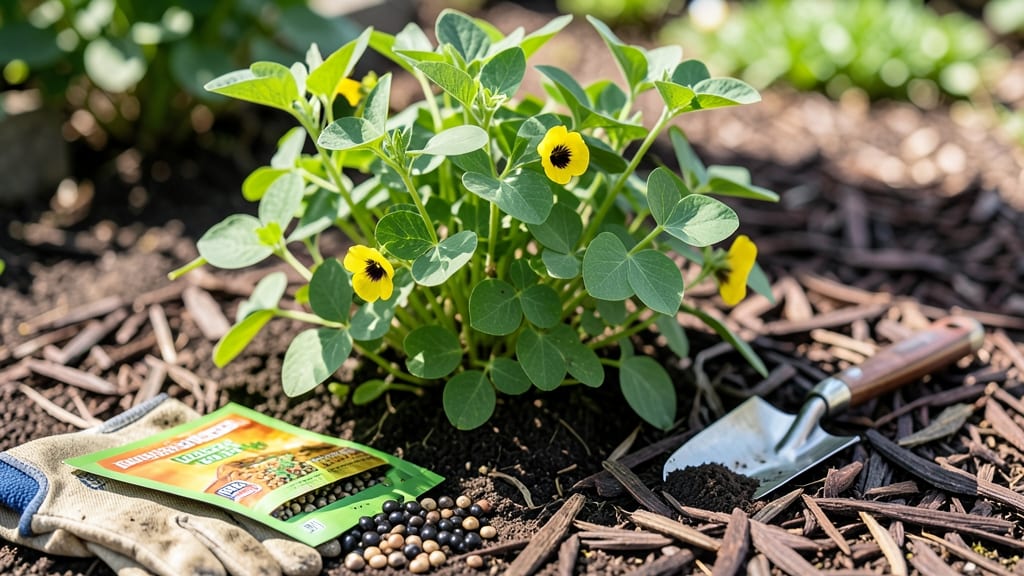
Planting black-eyed peas at the wrong time in Texas can mean the difference between a thriving garden and a total loss—especially when summer’s scorching heat arrives faster than you expect.
I’ve learned the hard way that these 🌱 black-eyed peas thrive in USDA zones 8a-10b but only when planted at the perfect moment. Whether you’re in North Texas or the Gulf Coast, timing your seeds for fast germination means avoiding frost in spring or bolting in summer heat.
Let’s break down the exact windows that work for your region.
Most Texas gardeners focus on spring planting, but fall can actually give you an earlier harvest. The key is knowing when soil temperatures hit that sweet spot—60°F or warmer—and how to adjust for your local microclimate. I’ll show you how to plan for both seasons without guessing.
By the end, you’ll know exactly when to plant for maximum yield, whether you’re aiming for fresh pods in May or dried peas by November. No more wasted seeds or missed harvests—just reliable results.
Texas black-eyed pea planting calendar by USDA Zone (8-10) for optimal germination
Texas spans USDA Zones 8a-10b, meaning your black-eyed pea planting window varies dramatically from the Panhandle (Zone 8) to the Gulf Coast (Zone 10). In cooler northern regions, you’ll plant 4-6 weeks before last frost (mid-February), while southern gardeners enjoy a year-round growing season with minimal frost risk.
The key? Align planting with soil temperatures above 60°F (15°C)—below that, seeds rot instead of sprouting.
Black-eyed peas thrive in Texas’s long growing season, but timing is critical. Plant too early, and frost damage stunts growth; too late, and summer’s 100°F+ heat causes bolting (premature flowering).
The sweet spot? Fall (September-October) or Spring (March-April), when temperatures are mild and rainfall is reliable. Let’s break it down by zone to avoid common pitfalls.
📅 Pro Tip: Use Texas A&M’s Frost-Free Date Map to pinpoint your exact last frost date. For example, Dallas (Zone 8a) averages its last frost on February 15, while Houston (Zone 9a) rarely sees frost at all. Adjust your calendar accordingly.
| USDA Zone | Last Frost Date | Ideal Planting Window | Soil Temp Requirement | Harvest Window |
|---|---|---|---|---|
| 8a (e.g., Amarillo, Lubbock) | Feb 15 | Mar 15-Apr 15 (Spring) / Sep 1-Oct 15 (Fall) | 60°F+ (15°C+) | May-Jun (Spring) / Nov-Dec (Fall) |
| 8b (e.g., Abilene, Waco) | Feb 28 | Mar 1-Apr 30 (Spring) / Aug 15-Oct 30 (Fall) | 60°F+ (15°C+) | May-Jul (Spring) / Oct-Nov (Fall) |
| 9a (e.g., Dallas, Austin, San Antonio) | Rare (Dec 1) | Feb 15-Apr 15 (Spring) / Aug 1-Oct 15 (Fall) | 65°F+ (18°C+) | Apr-Jun (Spring) / Sep-Oct (Fall) |
| 10a (e.g., Corpus Christi, Brownsville) | None | Year-round (best: Feb-Apr or Sep-Oct) | 70°F+ (21°C+) | Mar-May (Spring) / Oct-Nov (Fall) |
Notice how Zone 10 allows year-round planting, but even here, summer heat (June-August) stresses plants. I recommend focusing on spring (February-April) and fall (August-October) for the best balance of moderate temps and rainfall. In Zone 8, prioritize fall planting (September-October) to avoid early spring frosts.
Texas’s microclimates add another layer of complexity. For example, High Plains (Lubbock) has dry, windy conditions, while the Gulf Coast (Galveston) battles humidity and storms.
Adjust your planting window by 1-2 weeks earlier in inland areas to account for faster soil warming, or delay by 1 week near coastlines where soil stays cooler longer.
For fast germination, aim to plant when daytime highs are consistently 70°F+ (21°C+). Use a soil thermometer to confirm—black-eyed peas need warm soil to break dormancy. In Zone 9-10, this often means waiting until March for spring plantings, even though frost isn’t a concern.
🌡️ Soil Temp Check: If your soil is below 60°F (15°C), your seeds will rot in the ground. In North Texas, this can happen as late as April—don’t rush! Monitor temps with a $10 soil thermometer from your local garden center.
Harvest timing also shifts by zone. In Zone 8, you’ll harvest May-June (spring) or November (fall), while Zone 10 gardeners enjoy March
Texas black-eyed pea planting calendar by USDA Zone (8-10) for optimal germination
Texas's diverse climate—from North Texas's chilly winters to the Gulf Coast's long growing seasons—means black-eyed pea planting windows vary dramatically. In USDA Zones 8-10, timing your seeds correctly ensures fast germination and avoids heat stress or early frost damage.
My experience shows that fall planting (September-October) and spring planting (March-April) work best, but exact dates depend on your microclimate.
For example, North Texas (Zone 8a) gardeners should aim for September 1-15 for fall crops, while South Texas (Zone 10b) can extend planting until October 15.
Spring plantings in Zone 9-10 can start as early as February 15, but wait until March 15 in cooler Zone 8a areas to avoid frost.
Soil temperature is critical—black-eyed peas need at least 60°F (15°C) to germinate. In Texas, this typically aligns with average last frost dates: February 15 (North), February 28 (Central), and March 15 (South).
Use a soil thermometer to confirm readiness, especially in high-desert regions where nights stay cooler.
| Zone | Fall Planting Window | Spring Planting Window | Soil Temp Requirement | First Frost Risk |
|---|---|---|---|---|
| 8a (North Texas) | September 1-15 | March 15-April 1 | 60°F (15°C) | November 15 |
| 8b-9a (Central Texas) | September 15-October 1 | March 1-April 15 | 60°F (15°C) | December 1 |
| 9b-10a (South Texas) | September 15-October 15 | February 15-April 1 | 60°F (15°C) | December 15 |
| 10b (Gulf Coast) | October 1-15 | February 15-March 31 | 60°F (15°C) | None (year-round) |
🌱 Key: Adjust dates 1-2 weeks earlier for high-altitude areas (e.g., Hill Country) or later for coastal regions.
In Zone 10b (Gulf Coast), you can even plant year-round, but I recommend sticking to fall and spring for best yields. The longer daylight hours in summer can cause bolting (premature flowering), so avoid planting after April 15 in most of Texas.
For container gardening, use faster-draining mixes and plant 2-3 weeks earlier to compensate for heat loss.
Pro tip: Use row covers in North Texas to extend your fall harvest into November or protect early spring plantings from unpredictable cold snaps. In South Texas, shade cloth during peak summer (June-August) prevents heat stress and maintains pod tenderness.
Always monitor 7-day forecasts—Texas weather shifts fast!
Harvest time varies by planting window: fall crops typically ready by November-December, while spring plantings yield in May-June. Aim for 60 days from seed to harvest, but watch for pod length (2-3 inches) and seed visibility—these are your best indicators.
Don’t let pods dry on the vine, or they’ll toughen up!