
Plants
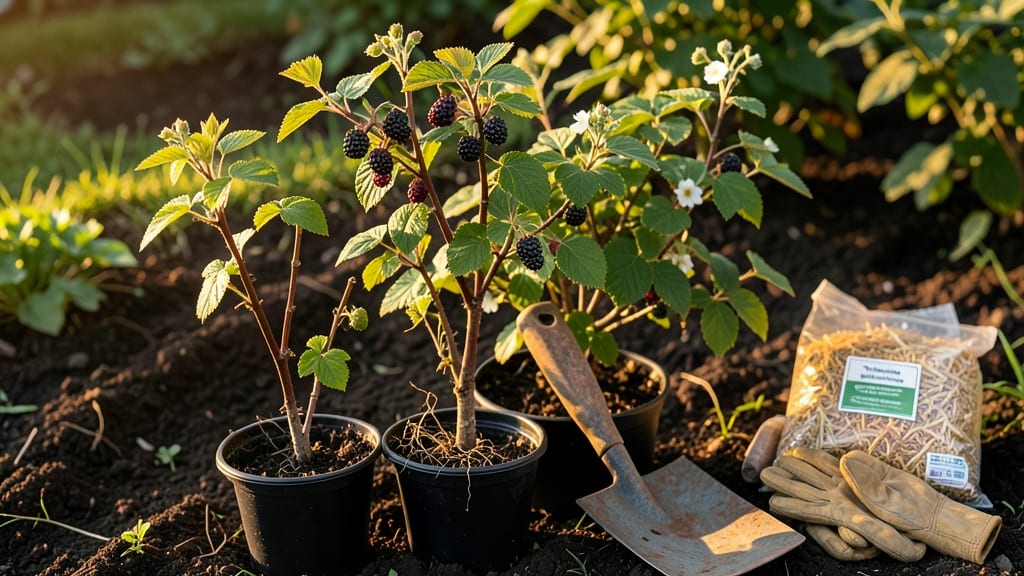
Timing your blackberry 🫐 planting in Texas isn't just about the calendar—it's about matching varieties to your region's unique chill hours to avoid empty vines and wasted effort.
Get it wrong, and you'll spend years waiting for fruit that never comes, especially in zones like 8a-10b where heat can outpace growth.
Most gardeners assume spring planting works everywhere, but Texas's extreme regional differences demand a smarter approach. Whether you're in North Texas where last frosts linger into March or South Texas where heat arrives by April, the wrong timing means stunted plants or no harvest at all.
What you'll discover here is how to align planting with your specific Texas microclimate—from selecting heat-tolerant varieties that thrive in 1,000+ chill hours to avoiding the most common mistakes that derail even experienced growers.
Let's cut through the guesswork so you can plant with confidence and enjoy those sweet, sun-ripened berries from April through September—no more frustration, just reliable harvests.
Texas chill-hour zones explained: how to match blackberry varieties to your location
Texas spans USDA Zones 8a-10b, creating dramatic differences in chill hours—the accumulated winter hours below 45°F that blackberries need to fruit properly. In North Texas, you might see 800-1,000 chill hours, while South Texas drops to just 300-500 hours.
Choosing the wrong variety can mean no fruit or tiny, flavorless berries.
Blackberries fall into three main types: Floricane (needs chill hours), Primocane (fruits on current year’s growth), and Evergreen (thrives in warm climates). For Texas, Primocane varieties like 'Apache' or 'Natchez' are game-changers—they fruit twice yearly and tolerate heat better than traditional types.
Here’s the critical rule: Floricane varieties (e.g., 'Triple Crown') need 500+ chill hours to produce well. If you’re in Zone 9b or warmer, these will struggle or fail entirely. Meanwhile, Primocane varieties like 'Ouachita' or 'Chester' adapt to low-chill zones and produce fruit year-round with proper care.
Texas’ humidity and heat also affect blackberry success. In East Texas, fungal diseases like anthracnose thrive in the moist air, while West Texas growers battle drought stress. Your variety choice must account for these regional quirks—dwarf varieties like 'Arapaho' work well in urban gardens with limited space.
Let’s break down the chill-hour zones and best varieties for each Texas region. This summary table will help you pick the perfect match for your location:
| Region | Chill Hours | Best Varieties | Notes |
|---|---|---|---|
| North Texas (Zones 7b-8a) | 800-1,000 | Triple Crown, Chester, Ouachita | Floricane types thrive; prune annually. |
| Central Texas (Zones 8a-8b) | 500-700 | Apache, Natchez, Arapaho | Primocane types excel; mulch heavily. |
| South Texas (Zones 9a-10b) | 300-500 | Evergreen, Chester, Ouachita | Evergreen types; shade cloth in summer. |
| West Texas (Zones 8a-9a) | 400-600 | Apache, Navaho, Black Satin | Drought-tolerant; drip irrigation recommended. |
If you’re in South Texas, avoid traditional Floricane varieties like 'Boygen' or 'Darrow'—they’ll produce little to no fruit due to insufficient chill hours. Instead, opt for Primocane types that fruit on new growth, like 'Chester' or 'Natchez'.
These varieties bear fruit twice yearly: once in spring and again in fall.
For North Texas growers, Floricane varieties are your best bet. 'Triple Crown' is a top pick—it’s thornless, disease-resistant, and produces large, sweet berries. However, you’ll need to prune aggressively in late winter to encourage new canes for the next harvest.
Use sharp pruners and sanitize them with rubbing alcohol to prevent disease spread.
In Central Texas, where chill hours hover around 600, you can grow both Floricane and Primocane types. 'Apache' is a standout—it’s heat-tolerant and produces abundant fruit even in 90°F+ temperatures.
Pair it with drip irrigation to avoid wetting the foliage, which reduces fungal risks like botrytis.
One critical mistake Texas gardeners make is ignoring microclimates. A spot near a stone wall or building might have 100+ extra chill hours compared to your yard’s average. Use a minimum-maximum thermometer for a week to gauge your site’s true chill hours before planting.
Finally, soil pH matters just as much as chill hours. Blackberries prefer slightly acidic soil (pH 5.5-6.5). Test your soil with a home kit or send a sample to your local extension office. If your soil is too
Step-by-step planting timeline for Texas blackberries: month-by-month guide
Texas’s diverse climate means your blackberry planting timeline depends heavily on your region. In North Texas (USDA Zones 7b-8a), where winters are colder, aim for late winter to early spring (February-March).
Meanwhile, Central and South Texas (Zones 8b-10a) gardeners can plant as late as September-October to avoid summer heat stress.
For fall planting, focus on September—this gives roots time to establish before winter rains arrive. If you’re in South Texas, October is ideal to beat the early frost.
Always check your last frost date (e.g., February 15 in North Texas vs. January 1 in South Texas) to time your planting perfectly.
📅 Texas Blackberry Planting Timeline
-
August-September (South/Central TX)
Soil prep: Amend with compost; plant bare-root canes in trenches. -
September-October (All Regions)
Plant Primocane varieties (e.g., 'Natchez') for summer fruit. -
February-March (North/Central TX)
Best for Floricane types (e.g., 'Apache')—plant after last frost. -
April (All Regions)
Mulch heavily (3-4 inches) to retain moisture and suppress weeds. -
May-June
Install trellis support (4-6 ft tall) to train canes vertically. -
July-August
Prune Primocane canes after harvest; fertilize lightly (10-10-10).
In North Texas, where winters can dip below 20°F, protect young plants with row covers or mulch. For South Texas, prioritize shade cloth (30-50%) during peak summer (June-August) to prevent heat stress.
Always plant in well-draining soil—Texas clay can suffocate roots if not amended with organic matter.
If you’re transplanting established bushes, do it on a cool, cloudy day to reduce transplant shock. Water deeply before and after planting, and avoid overhead watering to prevent fungal diseases like anthracnose, common in Texas’s humid summers.
Pro tip: Evergreen blackberries (like 'Choctaw') thrive in South Texas’s mild winters but may struggle in North Texas’s colder spells. Stick to deciduous varieties (e.g., 'Ouachita') for northern regions where chill hours exceed 800 hours.
Timing isn’t just about the calendar—it’s about microclimates. A hilltop in Central Texas may frost earlier than a valley, so monitor local conditions. With the right schedule, you’ll enjoy harvests from April to September—just in time for summer jams and smoothies! 🫐