
Plants
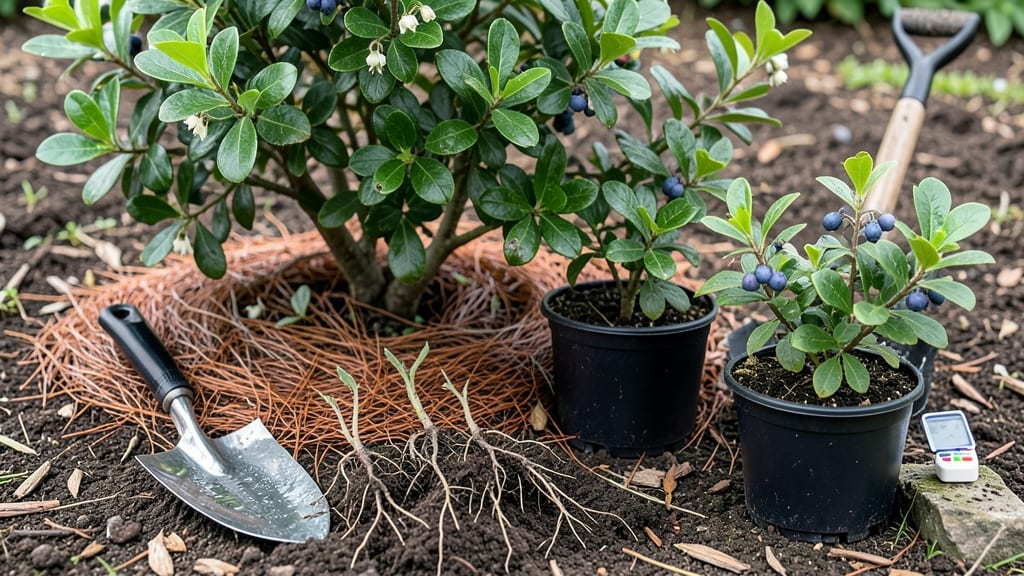
Timing your 🫐 blueberry planting in Colorado isn't just about waiting for spring—it's about matching your bushes to the state's chill-hour zones and frost patterns. Too early, and you risk frost damage; too late, and your plants won't establish roots before winter.
The sweet spot? Late April to early June, when soil temperatures hit 50°F and last frosts have passed.
Colorado's USDA zones 5-7 mean you'll need varieties that handle 5,000-10,000 chill hours, like Bluecrop or Jersey, which thrive in these conditions. Whether you're planting bare-root or container-grown bushes, soil prep is key—acidic, well-draining soil with a pH of 4.5-5.5 sets the stage for success.
But here's the catch: elevation matters. Denver's 5,280 feet means cooler nights than Colorado Springs, so adjust your timing by 1-2 weeks based on your microclimate. I'll show you how to read your local frost dates and choose the perfect window for your specific location.
Once you get the timing right, you're on track for a July-August harvest of juicy, homegrown blueberries. Let's break down exactly how to make this happen without guessing—because in Colorado, getting it wrong can mean the difference between thriving bushes and a lost season.
Best planting times for blueberries in Colorado by chill-hour needs
Colorado’s diverse climate—with chill-hour requirements ranging from 5,000 to 10,000 hours—means not all blueberry varieties thrive equally. Northern varieties like Bluecrop need 8,000+ chill hours, while southern types like Southern Highbush tolerate 300–500 chill hours.
Matching your variety to your USDA Zone 5–7 location ensures robust growth and fruit production.
In Colorado, the optimal planting window is late April to early June, after the last frost date (typically mid-May in most regions). However, fall planting (September–October) is also viable if you choose dormant bare-root plants and protect them from early freezes.
This timing allows roots to establish before winter dormancy.
Your elevation zone plays a critical role. High-altitude areas (e.g., Denver, 5,280 ft) have longer chill hours and cooler summers, favoring northern varieties.
Lower elevations (e.g., Colorado Springs, 6,035 ft) may support semi-southern hybrids like Duke or Premier, which need fewer chill hours but still require acidic soil and full sun.
Here’s how to align your planting timeline with chill-hour needs and Colorado’s frost patterns:
| Variety | Chill-Hour Needs | Best Planting Window | Notes for Colorado |
|---|---|---|---|
| Bluecrop | 8,000–10,000 | Late April–early June | Top choice for Zone 5–6; needs acidic soil. |
| Jersey | 7,000–9,000 | Late April–early June | Cold-hardy; great for Denver’s elevation. |
| Patriot | 6,000–8,000 | Late April–early June | Disease-resistant; adaptable to Zone 5–7. |
| Duke | 300–500 | September–October (fall) | Low-chill; best for southern Colorado (e.g., Pueblo). |
| Premier | 500–700 | Late April–early June | Hybrid; tolerates partial shade in hotter zones. |
For bare-root plants, soak roots in water for 2–4 hours before planting to rehydrate them. If using container-grown bushes, plant at the same depth as their current pot to avoid stem burial, which can rot.
Amend your soil with peat moss or sulfur to achieve the ideal pH of 4.5–5.5—blueberries hate alkaline soil.
After planting, mulch with pine needles or wood chips to retain moisture and acidify the soil over time. This is especially critical in Colorado’s dry climate, where soil can quickly become alkaline.
Water deeply once a week for the first month to encourage root growth, then taper to bi-weekly watering once established.
Timing your planting correctly isn’t just about the calendar—it’s about matching your variety to your microclimate. For example, Bluecrop in Fort Collins (Zone 5) thrives with spring planting, while Duke in Albuquerque, NM-adjacent areas (Zone 7) may do better in fall.
Always check your local frost dates and adjust accordingly.
Pro tip: If you’re unsure about your chill hours, use a chill-hour calculator or consult your local Cooperative Extension office. They can provide hyperlocal advice tailored to your specific elevation and neighborhood.
With the right variety and timing, your blueberry bushes will reward you with juicy, homegrown berries for decades!
Best planting times for blueberries in Colorado by chill-hour needs
Colorado’s chill-hour requirements (5,000–10,000 hours below 45°F) dictate when to plant blueberries for optimal success. Northern varieties like Bluecrop need 900–1,000 chill hours, while southern types such as Southern Highbush thrive with 300–500 chill hours.
Most Colorado gardens fall in the 700–900 chill-hour range, making mid-season varieties ideal.
For bare-root plants, aim for late April to early May—after the last frost (typically May 15 in Denver) but before soil warms past 60°F. Container-grown bushes can handle late spring to early June, giving roots time to establish before winter dormancy.
Fall planting is risky unless you’re in USDA Zone 6+ (southern Colorado).
Your local frost dates are critical. Check the National Weather Service or Colorado State University Extension for your area’s average last frost. In Denver (Zone 5b), wait until mid-May; in Colorado Springs (Zone 6a), early April is safer for early varieties like Jersey.
| Variety | Chill Hours | Best Planting Window | Notes |
|---|---|---|---|
| Bluecrop | 900–1,000 | Late April–Early May | Cold-hardy, reliable harvest |
| Jersey | 700–800 | Early April–Mid-May | Early producer, loves sun |
| Patriot | 800–900 | Late April–Early June | Disease-resistant, compact |
| Top Hat | 500–600 | May–June (container) | Dwarf variety, great for pots |
If you’re planting container-grown blueberries, extend your window to June—these plants handle transplant shock better. Just ensure pots are 18+ inches deep with drainage holes. For bare-root bushes, soak roots in water for 2–4 hours before planting to reduce shock.
Pro tip: Mulch heavily (3–4 inches of pine needles or straw) after planting to retain moisture and protect roots from Colorado’s temperature swings. Avoid mulching too close to the stem to prevent rot. Water deeply 2–3 times per week for the first month to encourage root growth.
Timing isn’t just about the calendar—it’s about soil temperature. Use a soil thermometer to confirm 50°F+ before planting. In high-altitude areas like Fort Collins (Zone 5a), delay until late May to avoid late frosts.
With the right timing, your blueberries will establish roots quickly and reward you with July-August harvests for years to come.