
Plants
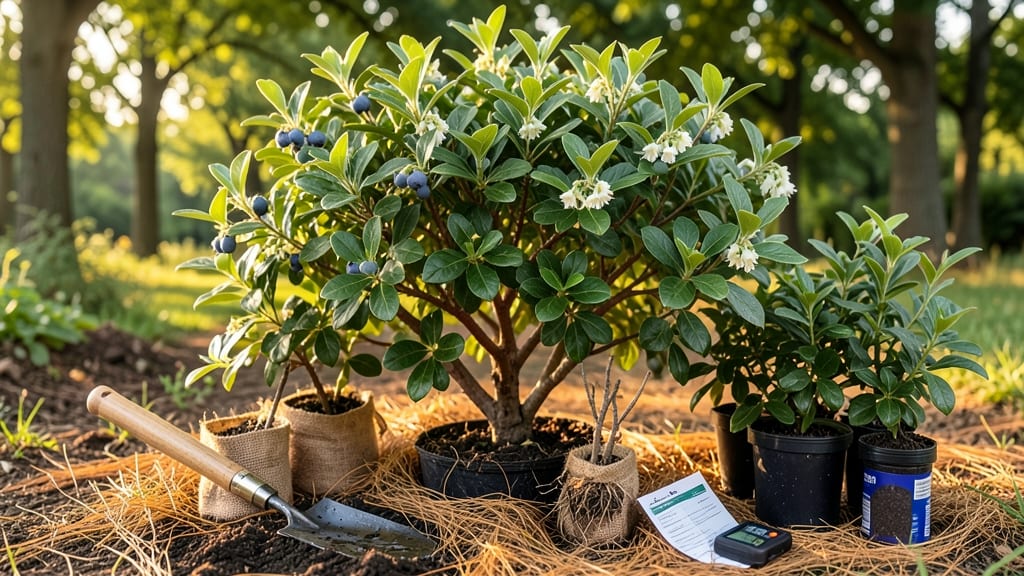
Planting blueberries at the wrong time in Maryland can turn your dream harvest into a frustrating gamble—especially when your 🫐 bushes need just the right chill hours to thrive.
The key isn’t just picking a month; it’s understanding how your local climate and variety work together to set your bushes up for success.
Maryland’s 6a-7b zones mean you’ve got a narrow window to get it right, whether you’re planting in late winter or fall. Skip the guesswork and learn exactly when to plant for maximum fruit production, because timing affects everything from root establishment to next summer’s berries.
I’ll break down the best months for your specific blueberry type, from Duke’s early spring needs to Bluecrop’s fall readiness—plus how soil prep and mulch can make or break your first harvest. Ready to avoid the common mistakes that leave Maryland gardeners with stunted bushes?
Let’s dive into the science behind planting dates, so you can enjoy those sweet, juicy berries from late June to August—without the stress of second-guessing your schedule.
Best planting months for blueberries in Maryland by chill-hour Zone
Maryland’s chill-hour requirements determine the best time to plant blueberries, as varieties need 500–900 hours of temperatures below 45°F to fruit successfully. The state spans Zone 6a–7b, so timing varies between northern and southern regions.
For northern Maryland (500–700 chill hours), like Baltimore County, focus on early spring planting, while southern areas (700–900 hours), such as Prince George’s County, can extend into late fall.
Blueberries thrive when planted during their dormant season, either in late winter (February–March) or early fall (September–October).
Spring planting allows roots to establish before summer heat, while fall planting gives plants time to root before winter. Never plant in extreme heat or frost, as both stress young bushes and reduce survival rates.
Here’s how Maryland’s chill-hour zones influence your planting window:
| Chill-Hour Zone | Best Planting Window | Soil Prep Deadline | Key Consideration |
|---|---|---|---|
| 500–700 Hours (Northern MD) | Late February–Early April | Mid-March (before buds swell) | Avoid late spring planting—risk of late frosts after mid-April. |
| 700–900 Hours (Southern MD) | Late September–Mid-October | Early September (6+ weeks before frost) | Fall-planted bushes need mulch (4–6 inches) to insulate roots. |
For spring planting, aim to get blueberries in the ground 4–6 weeks before your last frost date (typically mid-April in Maryland). This gives roots time to establish before the soil warms. Bare-root plants are ideal for spring—soak roots in water for 2–3 hours before planting to prevent drying.
If you prefer fall planting, choose September in southern Maryland or early October in northern regions. This timing ensures bushes root before first frost (mid-November). Container-grown plants can also be planted in fall, but avoid transplanting after October 15 to allow recovery time.
Soil preparation is non-negotiable for blueberries. Maryland’s native soil is often alkaline (pH 6.5–7.5), but blueberries require acidic soil (pH 4.5–5.5). Test your soil 6–8 weeks before planting and amend with peat moss or sulfur if needed.
Work compost and pine needles into the top 12 inches of soil for organic acidity.
Mulching is another critical step for Maryland’s climate. Apply 4–6 inches of pine bark mulch around the base of the plant, keeping it 3 inches away from the stem.
This mulch layer retains moisture, regulates soil temperature, and slowly releases acidity. Replenish mulch annually in early spring to maintain these benefits.
Container gardening is a great option for urban Maryland gardeners or those with poor soil. Plant in acidic, well-draining potting mix and use 15–20 gallon containers for dwarf varieties.
Containers dry out faster, so water daily in summer and monitor moisture closely. Move containers to a sunny spot and protect from winter winds with burlap wraps.
Remember, timing isn’t the only factor—blueberries also need consistent moisture and full sun (6–8 hours daily). Once planted, water deeply 2–3 times per week during the first growing season to encourage root growth. Adjust your schedule based on Maryland’s unpredictable spring rains and summer droughts.
Best planting months for blueberries in Maryland by chill-hour Zone
Maryland’s chill-hour zones (500–700 and 700–900 hours) dictate when to plant blueberries for maximum success. In Zone 6a-7b, the best windows are late winter to early spring (February–April) or fall (September–October).
Spring planting gives roots time to establish before summer heat, while fall planting lets plants settle before winter dormancy.
For 500–700 chill-hour varieties (like 'Duke'), aim for March–April planting to avoid late frosts. These varieties need fewer cold hours, so they’re ideal for Maryland’s milder winters. In contrast, 700–900 chill-hour types (like 'Bluecrop') thrive when planted in September–October to ensure they meet their chill requirements before budding.
Soil preparation is non-negotiable. Test your soil’s pH (4.5–5.5) and amend with peat moss or sulfur if needed. Blueberries are acid-loving plants, and incorrect pH leads to stunted growth or no fruit. Work in compost or well-rotted manure 4–6 weeks before planting to enrich the soil.
🌱 Maryland Blueberry Planting Guide by Chill-Hour Zone
| Zone & Chill Hours | Best Planting Window | Soil Prep Deadline | Key Varieties |
|---|---|---|---|
| 500–700 hours (Zone 6a) | March–April (spring) or September (fall) | 4–6 weeks before planting | 'Duke,' 'Premier' |
| 700–900 hours (Zone 7b) | September–October (fall) or early April | 6–8 weeks before planting | 'Bluecrop,' 'Jersey' |
⚠️ Pro Tip: Plant bare-root blueberries in cool, cloudy weather to reduce transplant shock. Avoid planting during heatwaves or frost alerts.
Container growers have extra flexibility. Since pots warm up faster, plant potted blueberries in late April to avoid soil freezing. Use acidic potting mix (pH 4.5–5.5) and ensure containers have drainage holes to prevent root rot. Containers also let you move plants to sunniest spots as seasons change.
After planting, mulch with pine needles or wood chips to retain moisture and acidify the soil naturally. Keep mulch 2–3 inches deep but avoid piling it against the stem.
Water deeply once a week for the first month, then adjust based on rainfall. Drip irrigation is ideal—it delivers water directly to roots without wetting foliage, reducing fungal risks.
Timing your blueberry planting to Maryland’s chill-hour zones and soil conditions sets the stage for years of bountiful harvests. Whether you choose spring or fall, prioritize soil prep, proper spacing, and variety selection to grow thriving bushes.
With the right approach, your blueberries will reward you with juicy, homegrown fruit for decades.