
Plants
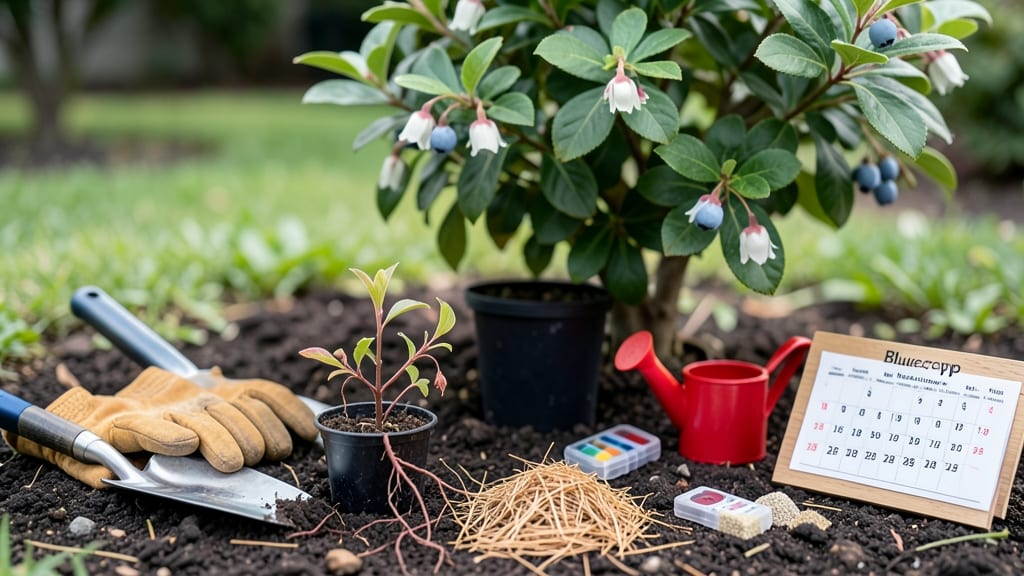
Planting blueberries 🫐 in Utah isn’t just about waiting for spring—it’s about matching your bushes to the state’s chill-hour zones. Whether you’re in freezing Zone 5 or milder Zone 7, getting the timing wrong can mean fewer berries or even failed crops.
I’ve grown these shrubs across Utah’s varied elevations, and the difference between a thriving harvest and a struggle comes down to when you plant.
Most Utah gardeners assume spring is the only window, but fall planting can give your blueberries a head start—if you know the tricks. The key is understanding how Utah’s early frosts and high desert climate affect root establishment.
I’ll break down the exact months to plant, whether you’re in Salt Lake City’s cooler microclimate or St. George’s heat, so you can avoid common mistakes that waste time and money.
You’ll also discover how to prep Utah’s alkaline soil for blueberries, which hate anything above pH 5.5. Without the right adjustments, your plants might look healthy but produce almost no fruit.
Plus, I’ll share my top varieties for Utah’s extremes—some need 900 chill hours, while others thrive with just 300—so you pick the perfect match for your yard.
Ready to grow blueberries that burst with flavor? Let’s dive into the planting schedule, soil secrets, and variety picks that’ll turn your Utah garden into a berry bonanza—no guesswork required.
Utah’s blueberry planting timeline: chill-hours and Zone-specific windows
Utah’s diverse climate—spanning USDA Zones 4-7—means blueberry planting timing varies dramatically. In northern Utah (e.g., Salt Lake City), where winters are colder, you’ll need high-chill varieties (600–900 chill hours).
Meanwhile, southern Utah (e.g., St. George) thrives with low-chill types (300–500 hours). Understanding these differences ensures your bushes enter dormancy correctly and fruit abundantly.
Most Utah gardeners plant blueberries in spring (April–June), after the last frost date (typically mid-April in northern regions). Fall planting (September–October) is also viable in Zone 6 and below, allowing roots to establish before winter. However, avoid planting in late fall—you risk frost damage before roots anchor.
Elevation plays a critical role. At higher elevations (e.g., Park City, ~6,000 ft), plant late April–early May to avoid early frosts. In lower desert areas (e.g., St. George, ~2,800 ft), March–April works best, as winters are milder.
Always check your local frost-free date—Utah’s can shift by weeks between valleys and mountains.
| Utah Region | USDA Zone | Chill Hours Needed | Best Planting Window | Elevation Adjustment |
|---|---|---|---|---|
| Northern Utah (Salt Lake City) | 4-6 | 600–900 hours | Late April–Early June | Delay 1–2 weeks at 6,000+ ft |
| Central Utah (Ogden) | 5-6 | 500–700 hours | Mid-April–Mid-May | Standard timing works |
| Southern Utah (St. George) | 7-8 | 300–500 hours | March–Early April | Plant early to avoid heat stress |
For fall planting, aim for September–October in Zone 6 and below. This gives roots time to establish before winter, but avoid planting after mid-October—you risk exposing tender roots to early frosts.
In Zone 7+, fall planting is riskier due to milder winters; stick to spring for reliability.
Microclimates matter in Utah. A south-facing slope in Provo may warm up faster than a north-facing yard in Logan. Test your site’s frost pockets by placing a frost sensor or observing nearby plants. If your area has late spring frosts (common in valleys), choose late-May planting to reduce risk.
Chill-hour mismatches are a common mistake. Planting a high-chill variety (e.g., ‘Bluecrop’) in St. George will yield few berries—it needs 800+ chill hours, but the region averages 400. Conversely, low-chill varieties (e.g., ‘Duke’) in Salt Lake City may bloom too early and get frost-damaged. Always match your variety to your zone.
Pro Tip: Use Utah State University’s chill-hour calculator (available on their Extension website) to estimate your local chill accumulation. This tool accounts for elevation, latitude, and microclimates—far more accurate than general zone guidelines. For example, Ogden’s chill hours can vary by 200 hours just a few miles apart due to urban heat islands.
Once you’ve nailed the timing, soil prep becomes critical. Utah’s alkaline soils (pH 7.5–8.5) are deadly for blueberries, which need acidic soil (pH 4.5–5.5). Next step: Amend your soil with peat moss, pine needles, or sulfur—we’ll cover this in detail in the soil preparation guide coming up.
Utah’s blueberry planting timeline: chill-hours and Zone-specific windows
Utah’s diverse climate—from the high-altitude chill of northern regions to the milder desert heat of southern zones—means blueberry planting isn’t one-size-fits-all. Most Utah areas fall within USDA Zones 5-7, but chill-hour requirements (300–900 hours below 45°F) dictate when to plant for optimal fruit production.
Northern Utah (e.g., Salt Lake City) thrives with high-chill varieties, while southern Utah (e.g., St. George) needs low-chill types.
Spring planting is ideal for bare-root blueberries in Utah, targeting late April to early June after the last frost (typically around April 15).
Fall planting is possible in Zone 6-7 areas (like Ogden) 6–8 weeks before the first frost (October 15), but requires careful soil prep to prevent winter stress. High-elevation gardens (e.g., Park City) may need to adjust timing by 2–4 weeks later due to delayed warming.
| Zone | Location | Chill-Hours Needed | Best Planting Window | Elevation Adjustment |
|---|---|---|---|
| Zone 5 | Salt Lake City | 600–900 hours | Late April–May 15 | +2 weeks for 6,000+ ft |
| Zone 6 | Ogden | 400–700 hours | Late April–June 1 | +1 week for 5,000+ ft |
| Zone 7 | St. George | 300–500 hours | March 15–April 30 | -1 week for low desert |
For northern Utah gardeners, prioritize varieties like ‘Bluecrop’ or ‘Jersey’ (800+ chill hours), while southern Utah’s warmer microclimates suit ‘Duke’ or ‘Premier’ (300–400 chill hours). If planting in containers, use dwarf varieties like ‘Top Hat’ (400–500 chill hours) to adapt to Utah’s limited garden space in urban areas.
Always check your specific microclimate—a backyard in Provo may frost later than one in Spanish Fork, even in the same zone.
Pro tip: Use a chill-hour calculator (like the one from Utah State University Extension) to match your local data with your chosen variety. For example, Logan’s Zone 6 may need ‘Earliblue’ (500 chill hours) instead of ‘Patriot’ (700+ chill hours), even though both are Zone 6 varieties.
Planting at the wrong time risks poor pollination or winter dieback, so verify frost dates annually—they shift with climate patterns.
Container-grown blueberries in Utah can extend your planting window by 2–3 weeks earlier in spring, as pots warm faster. However, ensure containers are at least 18 inches deep and use acidic potting mix (pH 4.5–5.5).
For in-ground planting, amend native alkaline Utah soil with peat moss or sulfur 4–6 weeks before planting to create the ideal acidic environment. This prep is critical—blueberries won’t thrive in Utah’s naturally high-pH soils without adjustments.
Remember, Utah’s dry climate means newly planted blueberries need consistent moisture during establishment. Mulch with pine needles or wood chips to retain soil acidity and moisture, especially in sandy soils common in areas like Moab.
With the right timing and soil prep, your Utah blueberry bushes can produce harvests for decades, adapting to everything from mountain chill to desert heat. 🌱