
Plants
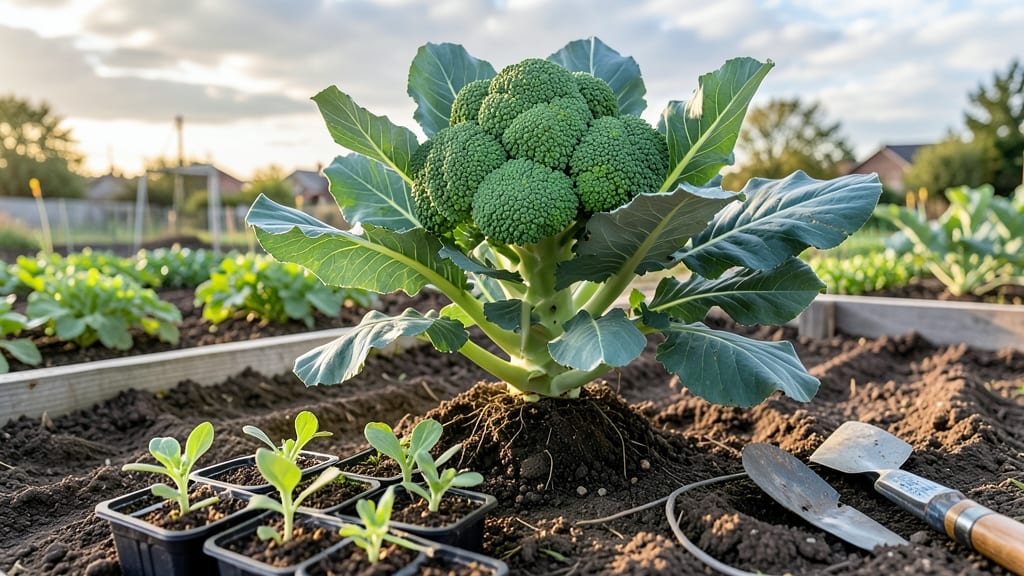
Planting broccoli in Arizona isn't just about timing—it's about outsmarting the desert's heat and unpredictable shifts. The right window between September and October (or late winter) can mean the difference between a thriving 🥦 harvest and bolted disappointment.
Most gardeners in USDA Zone 9b assume summer is the enemy, but the real challenge is balancing cool-season needs with Arizona's lingering warmth. Too early, and your plants will stretch toward the sun; too late, and heat stress takes over before you even see heads form.
I’ve grown broccoli in Phoenix’s low desert for years, and the key isn’t just the calendar—it’s microclimates. A shaded corner might buy you an extra week of growing time, while mulch can keep roots cool during 90°F+ days.
Let’s break down exactly when, where, and how to plant for foolproof results.
Whether you’re a beginner or a seasoned gardener, these Arizona-specific strategies will help you avoid common pitfalls. From soil prep to succession planting, I’ll show you how to turn your desert garden into a broccoli powerhouse—even when the thermometer says otherwise.
Best planting months for broccoli in Arizona’s climate zones
Arizona’s diverse microclimates mean your broccoli planting window depends on whether you’re in the low desert (Phoenix), high desert (Flagstaff), or transitional zones. The key is planting when daytime temps stay below 75°F—any hotter, and your broccoli will bolt prematurely.
For most gardeners, this means focusing on fall and late winter plantings.
In the low desert (USDA Zone 9b-10a), where summers routinely hit 110°F, broccoli can’t survive direct heat. Your primary planting window is September through October, with a secondary window in February to early March.
High desert areas (Zone 7b-8a) have cooler nights and can extend planting into late October or even early November for a winter crop.
Here’s the golden rule: Wait until soil temps drop below 70°F at a 4-inch depth. Use a soil thermometer to check—this prevents seed rot and ensures strong germination.
In Arizona’s unpredictable monsoon season, timing is tricky. Plant 2-3 weeks after the last heavy rain to avoid waterlogged soil.
🌱 Did You Know? Arizona’s high desert (like Flagstaff) can support year-round broccoli with proper protection, while the low desert (Phoenix) requires season extension techniques like shade cloth or greenhouses.
🌡️ Arizona Broccoli Planting Calendar
| Zone | Ideal Planting Months | Key Considerations | Average First Frost |
|---|---|---|---|
| Low Desert (Phoenix, Tucson) | September–October, February–March | Soil temp <70°F; avoid summer heat | Rare (Dec 15) |
| Transitional (Prescott, Sedona) | August–September, March–April | Cooler nights; extend to late October | January 15 |
| High Desert (Flagstaff, Payson) | July–August, February–March | Year-round possible with protection | November 15 |
✅ Pro Tip: Use shade cloth (30-50%) in late summer to lower soil temps for early plantings.
The fall crop (planted September–October) typically yields harvest-ready broccoli by November or December, while the spring crop (February–March) matures by April or May.
In the high desert, you can even squeeze in a summer crop if you plant in July and use drip irrigation to keep roots cool.
Avoid planting broccoli in Arizona’s peak summer months (May–August)—the heat will cause your plants to bolt (flower prematurely) or develop bitter, tough heads. Instead, focus on cool-season varieties like ‘De Cicco’ or ‘Waltham 29’, which handle mild desert winters better than heat-sensitive types.
For succession planting, sow new seeds every 2-3 weeks from September through November to ensure a continuous harvest. This works especially well in container gardens, where you can move pots to shadier spots as summer approaches.
One critical mistake Arizona gardeners make is ignoring microclimates. A spot near a stone wall or building can stay 10°F cooler than open ground. Use these heat sinks to extend your growing season or protect young seedlings from late-spring heat spikes.
Finally, always check the Arizona Cooperative Extension’s frost maps—even in Zone 9b, unexpected January frosts can damage unprotected crops. If frost is forecasted, cover plants with frost cloth or row covers.
How to avoid bolting: cool-season strategies for desert growing
Arizona’s heat spikes can turn your broccoli plants into bitter, bolted stalks faster than you can say "monsoon season." The key to preventing premature bolting lies in understanding your microclimate and adjusting your growing strategy.
Unlike cooler climates, Arizona’s desert heat forces broccoli to rush its life cycle—so we’ll focus on cool-season tactics to keep your plants happy and productive.
First, choose the right varieties—some broccoli types handle Arizona’s temperature swings better than others. ‘De Cicco’ and ‘Waltham 29’ are bolt-resistant and thrive in cooler fall and spring conditions.
If you’re planting in late winter, opt for ‘Green Magic’ or ‘Calabrese’, which tolerate slightly warmer soils. Avoid heat-sensitive varieties like ‘Packman’ unless you’re using shade cloth.
Next, time your plantings to align with Arizona’s coolest months. For low desert areas (Phoenix), aim for late August to early September—this gives plants 6-8 weeks of 60-75°F growing conditions before winter chill sets in.
In high desert (Flagstaff), you can push plantings to mid-September due to cooler nights. Succession planting every 2-3 weeks ensures a steady harvest without overwhelming your garden.
Soil moisture is another critical factor. Broccoli hates drought stress, which triggers bolting. In Arizona, drip irrigation is non-negotiable—it delivers consistent, deep water without wetting foliage (which promotes disease). Water early in the morning to reduce evaporation, and mulch heavily with straw or wood chips to retain moisture. Avoid overhead watering, especially in the heat, as it can scorch leaves and stress plants.
Finally, extend your season with row covers or mini greenhouses for late-winter plantings. A floating row cover can add 5-10°F of protection, allowing you to plant as late as mid-March in low desert areas.
Pair this with daily shade during 10 AM-2 PM in peak summer, and you’ll delay bolting by weeks. For high desert gardeners, a cold frame can push harvests into early May before summer heat arrives.
By combining bolt-resistant varieties, precise planting windows, and heat mitigation tools, you’ll turn Arizona’s unpredictable climate into an advantage. The result? Tender, flavorful broccoli heads instead of bitter, bolted stalks. 🌱💧