
Plants
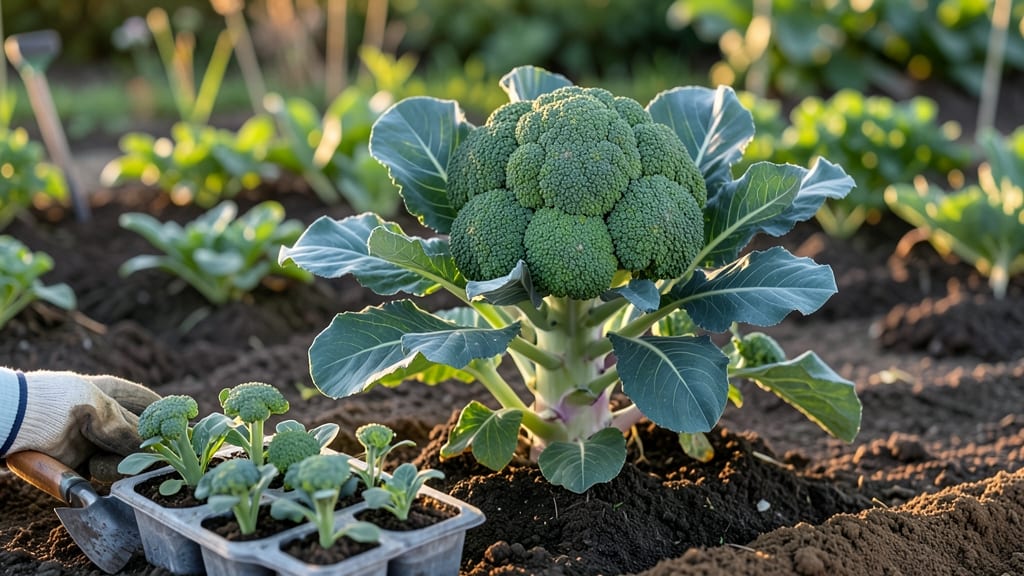
Timing is everything when it comes to growing 🥦 broccoli in Zone 9, where summer heat can turn your plants into sad, wilted memories instead of a bountiful harvest.
If you’ve ever planted broccoli in the wrong season and watched it bolt before producing a single edible head, you know how frustrating it can be.
The key to success in Zone 9 (think Southern California or Phoenix) is planting during the cooler months when temperatures stay mild—typically from late September through November.
This window gives your broccoli the best shot at thriving without the stress of extreme heat, which can send it running to seed faster than you can say "pesto."
But here’s the thing: with the right varieties and a few smart tricks, you can actually extend your growing season and even squeeze in a harvest in winter or early spring.
I’ll walk you through the exact months to plant, which heat-resistant varieties perform best, and how to keep your broccoli happy even when the thermometer climbs.
Ready to turn your garden into a broccoli powerhouse? Let’s dive into the secrets of planting broccoli in Zone 9 the right way—so you can enjoy fresh, homegrown heads all season long.
Best planting months for broccoli in Zone 9: fall vs. winter strategies
Zone 9’s warm winters and hot summers make broccoli planting timing critical for success. Unlike cooler climates, you’ll skip spring planting entirely and focus on fall and late winter windows when temperatures drop below 80°F.
This avoids the plant’s natural tendency to bolt (flower prematurely) when exposed to prolonged heat.
Your two best planting windows are September-October for fall crops and January-February for winter harvests. Each offers distinct advantages: fall plants mature before summer heat arrives, while winter plantings avoid the hottest months entirely.
Coastal areas like San Diego can push fall planting into early November, while inland Arizona gardens should plant by late September.
Soil temperature is your secret weapon. Broccoli seeds need soil temps below 75°F to germinate properly. In Zone 9, this means waiting until nighttime lows consistently drop below 70°F. Use a soil thermometer to verify—planting too early in warm soil leads to slow germination and weak seedlings.
Microclimates play a huge role in Zone 9. Coastal areas with mild winters can extend fall planting into December, while inland desert zones should finish by early November. Even within your yard, shaded spots stay cooler and can accommodate slightly later plantings than sunny areas.
Critical planting deadlines:
- Fall planting: September 15–October 15 (coastal) / September 1–15 (inland)
- Winter planting: January 1–February 15
Missing these windows risks heat stress or bolting before harvest.
| Planting Window | Ideal Soil Temp | Days to Harvest | Zone 9 Microclimate Notes |
|---|---|---|---|
| Fall (Sep-Oct) | 60-75°F | 50-70 days | Coastal: Plant until Nov 15; Inland: Finish by Oct 15 |
| Winter (Jan-Feb) | 55-65°F | 60-80 days | Harvests ready by March; avoid planting after Feb 15 |
For succession planting, stagger your fall sowings every 2-3 weeks between September and October. This ensures a continuous harvest from December through March. In winter, a single planting in early January will provide heads through February, but avoid planting after mid-February when daytime temps start climbing.
Direct sowing is ideal in Zone 9, but if you prefer transplants, start seeds indoors 4-6 weeks before your target outdoor planting date. Use biodegradable pots to minimize transplant shock. Harden off seedlings for 7-10 days before moving them outdoors, especially if nighttime temps drop below 50°F.
Watch for false starts—broccoli seeds germinate best at 70-80°F, but seedlings can bolt if exposed to temperatures above 85°F for more than a few days. If your fall planting window extends into October, use shade cloth (30-50%) during the hottest afternoon hours to protect young plants.
Pro tip: Plant broccoli near fast-growing companions like radishes or lettuce to mark rows and provide shade for seedlings. Avoid planting near tomatoes or strawberries, which can stunt broccoli growth. Mulch with straw or wood chips immediately after planting to conserve moisture and keep soil temps stable.
Your first harvest should arrive in December if you planted in September, or February-March for winter plantings. Time it right, and you’ll enjoy homegrown broccoli when grocery store options are scarce and expensive.
Best planting months for broccoli in Zone 9: fall vs. winter strategies
Zone 9’s warm winters and hot summers make broccoli planting timing critical for success. Unlike cooler climates, you’ll skip spring plantings entirely and focus on fall and late winter to avoid summer’s bolting trigger temperatures (above 80°F).
My best harvests come from seeds sown between September and November, with a second window in January for late-winter crops.
Coastal Zone 9 areas (like San Diego) enjoy milder winters, allowing November plantings to thrive through December. Inland regions (like Phoenix) should aim for October sowings to harvest before spring heat arrives. Soil temperatures below 75°F are ideal—test yours with a soil thermometer before planting.
🌱 Broccoli Planting Windows in Zone 9
| Planting Window | Ideal Months | Soil Temp | Harvest Window |
|---|---|---|---|
| Fall Planting | September–November | 60–75°F | December–March |
| Late Winter Planting | January–February | 55–65°F | March–May |
For coastal microclimates, extend fall plantings into early December—ocean breezes delay heat buildup. Inland gardeners should avoid March plantings; by April, daytime temps often exceed 90°F, forcing broccoli to bolt within weeks.
My 2023 experiment with March sowings in Tempe, AZ resulted in only 15% viable heads before bolting.
Direct-sow seeds ½ inch deep, spacing them 18 inches apart in rows 2 feet apart. Use shade cloth (30%) if daytime temps exceed 85°F during germination (which takes 7–14 days in optimal conditions).
Transplants can go in 2–3 weeks after seeds, but they’re riskier in Zone 9’s heat—start them indoors if possible.
Succession planting every 2–3 weeks in fall ensures continuous harvests. For example, sow September 1, September 15, and October 1 for staggered maturity. In winter, a January planting will harvest just as spring heat arrives, while a February planting risks early bolting if warm spells occur.
Monitor moisture levels closely—Zone 9’s dry air and hot winds dehydrate soil quickly. Mulch with straw or wood chips to retain moisture and keep roots cool. My 2022 mulched beds stayed 10°F cooler at root level than unmulched ones during 95°F days.