
Plants
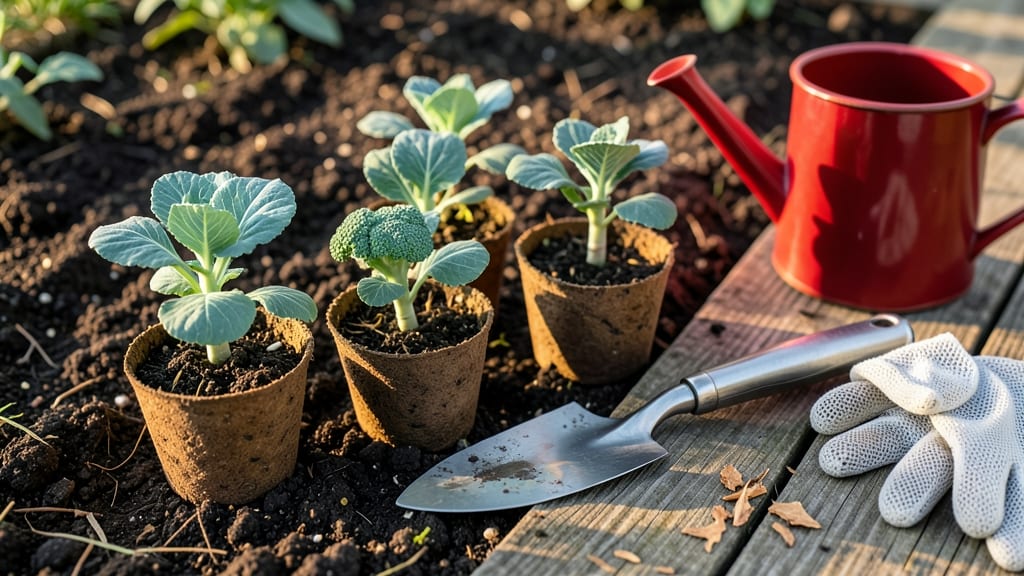
Planting broccoli at the wrong time in Zone 8b could mean missing out on crisp, flavorful heads—because this cool-weather crop hates summer heat.
The key is timing it right for either a fall harvest or a spring bounty, both of which align perfectly with Zone 8b’s mild winters and frost-free windows.
In Zone 8b, your best bets are early fall (think August to September) or late winter (January to February). These windows give broccoli the 60-day growing window it needs before summer’s heat forces it to bolt—or worse, wilt.
But here’s the catch: coastal areas might push planting a week later than inland spots, thanks to microclimates that delay frost.
Why does this matter? Because broccoli planted too early in summer will bolt (flower prematurely), and planting too late in fall risks frost damage before heads mature.
I’ll break down the exact months, soil temps to watch for, and how to stretch your harvest with succession planting—so you never miss a perfect head again.
Ready to grow broccoli that’s tender, abundant, and frost-free? Let’s dive into the timing secrets that work for Zone 8b’s unique climate—no guesswork, just results.
Best planting months for broccoli in Zone 8b: fall vs. spring timing
Broccoli loves cool weather, but timing is everything in Zone 8b. Plant too early, and you risk bolting (going to seed) from summer heat. Plant too late, and frost can damage tender plants. The sweet spot? Early fall or late winter—when soil temps drop but frost isn’t imminent.
In Zone 8b, your last frost date typically falls around January 15, while the first frost arrives by December 15. This narrow window means broccoli thrives in fall plantings (August–September) and spring plantings (January–February). Let’s break down the best times and why they work.
📅 Fall Planting (August–September) is your safest bet. By late summer, daytime temps start cooling, reducing the risk of bolting. Broccoli planted in August will mature by October–November, just before winter sets in. For a second fall crop, try September plantings—they’ll mature by late November, giving you a harvest before frost.
| Planting Window | Ideal Soil Temp | Days to Maturity | Harvest Months | Risk Factors |
|---|---|---|---|---|
| August (Early Fall) | 55–65°F | 50–60 days | October–November | Bolting if too hot |
| September (Late Fall) | 50–60°F | 60–70 days | November–December | Frost damage |
| January (Late Winter) | 45–55°F | 60–75 days | March–April | Slow growth in cold |
| February (Spring) | 50–60°F | 55–65 days | April–May | Bolting if warm |
For spring plantings, aim for January–February. Broccoli sown in January will mature by March–April, just as summer heat ramps up.
If you plant in February, expect harvests in April–May, but watch for bolting as temps rise. Pro tip: Use shade cloth (30–50%) to protect seedlings from intense spring sun.
Zone 8b’s mild winters mean you can also try winter plantings in December, but success depends on your microclimate. Coastal areas with milder winters may see better results than inland spots. If you’re unsure, opt for cold-hardy varieties like 'De Cicco' or 'Waltham 29', which tolerate light frost.
Soil temperature is non-negotiable for broccoli. Seedlings need soil at 45–55°F to germinate, while mature plants thrive in 55–65°F. Use a soil thermometer to check—if temps dip below 40°F, wait a week or two.
In Zone 8b, soil stays warm late into fall, so August–September plantings are ideal for avoiding heat stress.
Avoid planting broccoli in summer (June–July) unless you’re using shade cloth and drip irrigation. The heat triggers bolting, turning your broccoli into bitter, seed-producing plants. If you’re desperate for summer greens, try fast-maturing varieties like 'Belstar' (ready in 50 days) and harvest quickly.
For succession planting, stagger seeds every 2–3 weeks from August through September to ensure a steady harvest. This works especially well in Zone 8b, where fall weather lingers. Just remember: stop planting by October 15 to avoid frost damage to young seedlings.
One final tip: Hardening off seedlings is critical in Zone 8b’s variable fall weather. Acclimate plants to outdoor conditions over 7–10 days before transplanting. Start with 2–3 hours of sun exposure and gradually increase to full sun. This
Best planting months for broccoli in Zone 8b: fall vs. spring timing
In Zone 8b, where winters are mild and summers hot, timing is everything for growing broccoli. Plant too early, and your crop will bolt in the heat; too late, and frost may ruin your harvest.
The sweet spot? Early fall (August-September) for a fall crop and late winter (January-February) for spring harvests. This aligns with Zone 8b's last frost date (December 15) and first frost date (January 15), giving you two prime planting windows.
Broccoli thrives in cool weather (50-75°F), making summer planting risky. The key is to start seeds or transplants when soil temperatures drop below 80°F—typically after August 15 for fall crops.
For spring, aim to plant 8-10 weeks before your last frost, which in Zone 8b is usually by January 15. This ensures heads form before summer heat sets in.
| Planting Window | Ideal Months | Soil Temp Requirement | Days to Maturity | Harvest Window |
|---|---|---|---|---|
| Fall Planting | August - September | Below 80°F | 50-80 days | October - November |
| Spring Planting | January - February | Above 40°F | 60-75 days | March - April |
For fall plantings, start seeds indoors 6-8 weeks before transplanting (around June 15) or buy transplants in early August. In Zone 8b, you can often get two harvests: one in late fall and another in early spring if you plant late winter.
Use shade cloth (30-50%) if planting in late summer to protect seedlings from intense heat.
If you miss the fall window, don’t despair—winter plantings (December) can still work in Zone 8b’s mild climate. Choose fast-maturing varieties (50-60 days) like 'De Cicco' to harvest before summer heat arrives.
Just ensure your soil stays consistently moist and mulch heavily to retain warmth. Avoid planting in June-July, as broccoli will bolt quickly in temperatures above 85°F.
Pro tip: Use a soil thermometer to monitor temperatures. Broccoli roots thrive in 55-75°F soil. If your soil runs hotter, wait a few weeks or use black plastic mulch to cool it down.
In Zone 8b, coastal areas may have slightly cooler microclimates, allowing for earlier fall plantings than inland regions.
Remember, succession planting every 2-3 weeks in fall or spring will give you a continuous harvest. For example, plant one batch in August, another in September, and a final one in January for a staggered yield.
This method maximizes your garden space and ensures you always have fresh broccoli on hand.