
Companion Plants
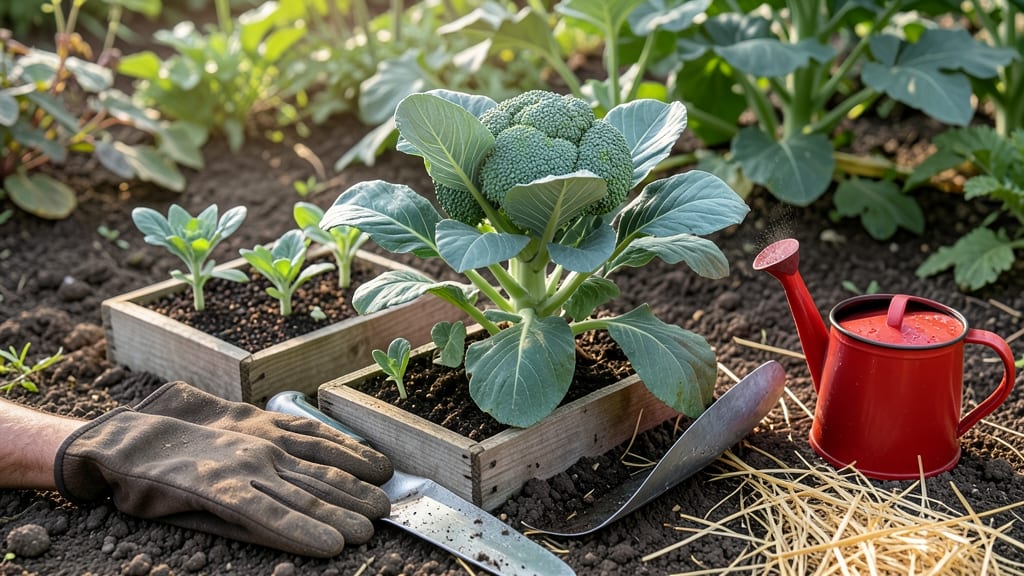
Planting broccoli in Indiana at the wrong time can turn your 🥦 dreams into a sad, bolted mess—too early and frost zaps your seedlings, too late and summer heat sends your plants running to flower before you get a single harvest.
The secret to success? Timing your plantings to match soil temperatures between 40°F and 70°F, which keeps broccoli cool enough to grow but warm enough to thrive.
If you've ever stared at your garden calendar wondering, "When exactly should I plant broccoli in Indiana?", you're not alone. The answer isn't just about dates—it's about understanding your local microclimate, whether you're in chilly northern Indiana or slightly warmer southern regions.
Spring plantings need to happen 4-6 weeks before your last frost date, while fall crops should go in mid-August to early September for a second harvest before winter sets in.
What I'm about to share will help you avoid the two biggest mistakes Indiana gardeners make: planting too late in spring (risking bolting) or too early in fall (letting frost ruin your crop).
We'll cover soil temperature tricks, frost-free date calculations, and even how to stretch your growing season with row covers—so you can enjoy fresh 🥦 from June through November.
Ready to transform your garden from "meh" to "magnificent"? Let's dive into the exact planting windows, soil prep secrets, and succession planting strategies that will give you a continuous broccoli harvest—no guesswork required.
Indiana broccoli planting schedule by soil temperature zones
Indiana's USDA Zones 5b-6b create unique challenges for broccoli growers. The key to success lies in understanding soil temperature thresholds—broccoli thrives when soil stays between 40°F and 70°F. Plant too early, and frost will damage seedlings; too late, and your plants will bolt prematurely from summer heat.
Let's break down the perfect planting windows for both spring and fall crops.
For spring planting, aim to sow seeds or transplant seedlings 4-6 weeks before your last frost date. In most of Indiana, this falls between mid-March and early April.
Northern Indiana (Zone 5b) may need to wait until late March, while southern Indiana (Zone 6b) can start earlier. Always check your local frost-free date—it varies yearly!
Broccoli requires pre-chilling to trigger flowering. Start seeds indoors 6-8 weeks before transplanting or choose cold-hardy varieties like 'Waltham 29' that tolerate cooler soils. Seedlings should be 3-4 inches tall with 4-5 true leaves before moving outdoors.
Fall planting offers a second harvest window. Sow seeds mid-August to early September for a harvest before the first frost (mid-October). This timing ensures plants mature before summer heat triggers bolting. Use row covers or cold frames to extend the season if needed.
| Season | Planting Window | Soil Temp | Key Notes |
|---|---|---|---|
| Spring | Mid-March to early April | 40°F-55°F | Transplant seedlings 4-6 weeks before last frost |
| Spring (Direct Sow) | Late April | 50°F-60°F | Sow seeds after soil warms; slower growth |
| Fall | Mid-August to early September | 55°F-70°F | Harvest before first frost (mid-October) |
| Fall (Late) | Late September | 60°F-65°F | Use row covers; higher bolting risk |
Northern Indiana gardeners (Zone 5b) should prioritize early spring planting and focus on fall crops for maximum yield. Southern Indiana (Zone 6b) can experiment with late summer sowings but must monitor soil temperatures closely—above 75°F triggers bolting. Use a soil thermometer to track conditions and adjust planting dates accordingly.
Pro tip: Succession planting every 2-3 weeks after your initial sowing ensures a continuous harvest. For example, plant a batch in early April, then follow with another in mid-April and late April. This staggered approach prevents glut and maximizes your garden's productivity.
Always prepare your soil with compost and aged manure to provide nutrients. Broccoli is a heavy feeder, so amend soil with a balanced fertilizer (10-10-10) at planting and again when plants are 6 inches tall. Mulch with straw to retain moisture and regulate soil temperature.
Remember, Indiana's microclimates vary. Urban areas may experience 2-3°F warmer soil temperatures than rural zones. Observe your garden's specific conditions for 2-3 years to refine your planting schedule. Keep a gardening journal to track success and adjust future plantings!
With these soil temperature guidelines, you'll avoid the two biggest mistakes: planting too early (frost damage) or too late (bolting). Mastering Indiana's broccoli schedule ensures a bountiful harvest from both spring and fall crops.
How to extend Indiana’s broccoli growing season without risking bolting
Indiana’s short growing season can feel like a race against time for broccoli lovers. But with the right strategies, you can push your harvest windows 2-3 months longer without triggering bolting. The key? Controlling soil temperatures and using season-extending tools like row covers and cold frames.
For spring plantings, start seeds indoors 6-8 weeks before your last frost date (typically mid-March). Transplant seedlings outdoors 4-6 weeks before the last frost when soil temps reach 40°F-45°F. This gives your broccoli a head start before summer heat arrives.
🌱
For fall plantings, aim for mid-August to early September when soil temps drop below 75°F. This timing gives your broccoli 60-80 days to mature before frost. Use lightweight row covers to protect young plants from early frosts while allowing sunlight to penetrate.
Heat-tolerant varieties like 'Waltham 29' or 'De Cicco' are your best bets for summer plantings. These varieties can handle up to 80°F soil temps without bolting. Pair them with drip irrigation to keep roots cool and moist during Indiana’s hot summers.
Succession planting is another game-changer. Plant new seeds every 2 weeks from April through August. This staggered approach ensures you always have mature heads ready for harvest while preventing overcrowding that stresses plants and invites pests.
For true season extension, invest in a cold frame or low tunnel. These structures can push your fall harvest 4-6 weeks later than uncovered beds. Just remember to vent them on warm days to prevent overheating, which triggers bolting faster than frost.
🌿