
Plants
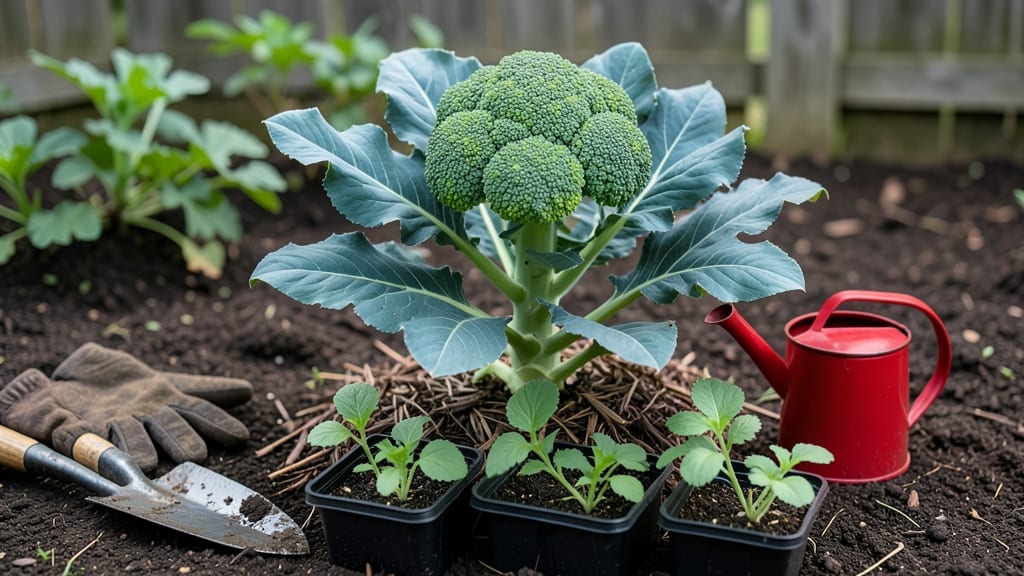
Planting broccoli in Houston’s humid subtropical climate isn’t just about timing—it’s about avoiding the pitfalls that turn your garden dreams into bolting disasters. 🥦 The key? Knowing exactly when to plant for zero-frost success, whether you’re aiming for a fall harvest or spring bounty.
If you’ve ever watched your broccoli heads turn bitter or bolt before maturing, you’re not alone. Houston’s unpredictable weather—with its sudden freezes and scorching summers—makes the difference between a thriving crop and a wasted effort.
The secret lies in planting 4-6 weeks before the first frost, typically in September-October for fall crops or February-March for spring.
But here’s the game-changer: Houston’s Zone 9a climate lets you extend your growing season with smart techniques, like succession planting and shade cloth. I’ll show you how to sidestep common mistakes—like planting too close to summer heat or ignoring soil prep—that Houston gardeners make all too often.
Ready to grow broccoli that’s crisp, flavorful, and ready to harvest? Let’s dive into the exact steps to make your Houston garden a broccoli powerhouse—without the guesswork.
Houston’s best broccoli planting calendar: month-by-month breakdown
Houston’s humid subtropical climate creates two ideal windows for growing broccoli: fall and spring. The key is avoiding extreme summer heat (which causes bolting) and winter frosts (which damage tender seedlings).
Fall planting yields the most reliable harvests, while spring offers a secondary chance for a summer crop—if you act quickly.
For fall broccoli, Houston’s first frost date typically falls around December 15. Planting 4-6 weeks before this date ensures mature heads before cold snaps. Spring planting must occur before March 15 to avoid the brutal summer heat that stresses broccoli plants.
Timing is everything—get it wrong, and you’ll battle pests like cabbage worms or watch your plants bolt prematurely.
| Month | Action | Notes |
|---|---|---|
| August | Start seeds indoors | Use heat-resistant varieties like 'De Cicco' |
| September | Transplant seedlings outdoors | Avoid direct summer sun; use shade cloth |
| October | Direct sow or transplant | Ideal time for fall harvest (Nov-Dec) |
| November | Succession plant for late harvest | Protect from light frosts with row covers |
| February | Start spring seeds indoors | Use fast-maturing varieties like 'Calabrese' |
| March | Transplant spring seedlings | Harvest before April heat sets in |
In September, Houston’s temperatures begin to cool, making it the perfect month to transplant broccoli seedlings or direct-sow seeds. Choose heat-tolerant varieties like 'Waltham 29' or 'Packman' to handle Houston’s lingering summer heat.
Plant in well-draining soil with a pH of 6.0-7.0, and space plants 18-24 inches apart to allow airflow and reduce disease risk.
By October, broccoli thrives in Houston’s milder weather. This is the golden window for planting—seeds sown now will produce compact heads by November. Use mulch to retain soil moisture and deter weeds.
Avoid over-fertilizing with nitrogen, which promotes leafy growth over head formation. Instead, opt for a balanced 5-10-10 fertilizer to encourage strong stalks.
For spring planting, start seeds indoors in February and transplant outdoors by early March. Spring broccoli faces a different challenge: Houston’s rising temperatures after March can stress plants.
To extend the season, use shade cloth (30-50% shade) during peak afternoon heat. Harvest spring crops by late April before the summer heat becomes oppressive.
Houston’s microclimates also play a role. Areas near Galleria or Clear Lake stay warmer longer, while inland zones like Katy cool faster. Adjust planting dates accordingly—add 1-2 weeks to inland schedules and subtract them near water bodies. Always monitor local weather forecasts for unexpected cold snaps or heatwaves.
Pro tip: Pair broccoli with companion plants like dill or bush beans to deter pests naturally. Avoid planting near tomatoes or potatoes, which compete for nutrients. With the right timing and care, Houston’s climate can yield crisp, flavorful broccoli twice a year—no frost required!
How to extend Houston’s broccoli growing season without risking failure
Houston’s unpredictable weather—from sudden heatwaves to early frosts—can make broccoli growing feel like a high-stakes game. But with the right strategies, you can extend your harvest window by 3-4 months while keeping your plants thriving.
The key? Succession planting, seasonal adjustments, and smart soil prep to buffer against Houston’s extremes.
Start by planting in stages rather than all at once. For example, sow a first batch in late August for a fall harvest, then follow with another in early October to catch the cooler winter months.
This staggered approach ensures you’re always reaping something while avoiding the bolting risk of sudden heat spikes in late spring.
🌱 Pro Tip: Use shade cloth (30-50%) during Houston’s brutal summer months to protect seedlings. Even a light covering can lower soil temps by 10-15°F, preventing premature bolting. Remove it after 6-8 weeks once plants establish roots.
🔢 5 Proven Techniques to Extend Your Houston Broccoli Season
- 1. Succession Planting: Sow seeds every 2-3 weeks from August to October for continuous harvests.
- 2. Soil Warming: Use black plastic mulch in fall to retain heat and speed up germination.
- 3. Frost Protection: Cover plants with row fabric when temps drop below 35°F.
- 4. Companion Planting: Pair broccoli with bush beans or radishes to improve soil structure and deter pests.
- 5. Winter Mulching: Apply 3-4 inches of straw in December to insulate roots from cold snaps.
Don’t overlook soil preparation—Houston’s clay-heavy soil drains poorly, which can suffocate roots. Amend your beds with compost and perlite before planting to improve aeration. Aim for a pH of 6.0-7.0; test your soil in late summer and adjust with lime or sulfur as needed.
For spring planting, time your second batch to avoid April heatwaveslate January and transplant outdoors by mid-February. This head start lets seedlings mature before Houston’s 90°F+ days arrive, ensuring larger, sweeter heads.
Finally, monitor your plants daily during transitions. Watch for yellowing leaves (sign of overwatering) or purple stems (phosphorus deficiency), both common in Houston’s high humidity. Adjust watering to 1-1.5 inches per week and fertilize lightly with a 5-10-10 blend every 4-6 weeks.