
Plants
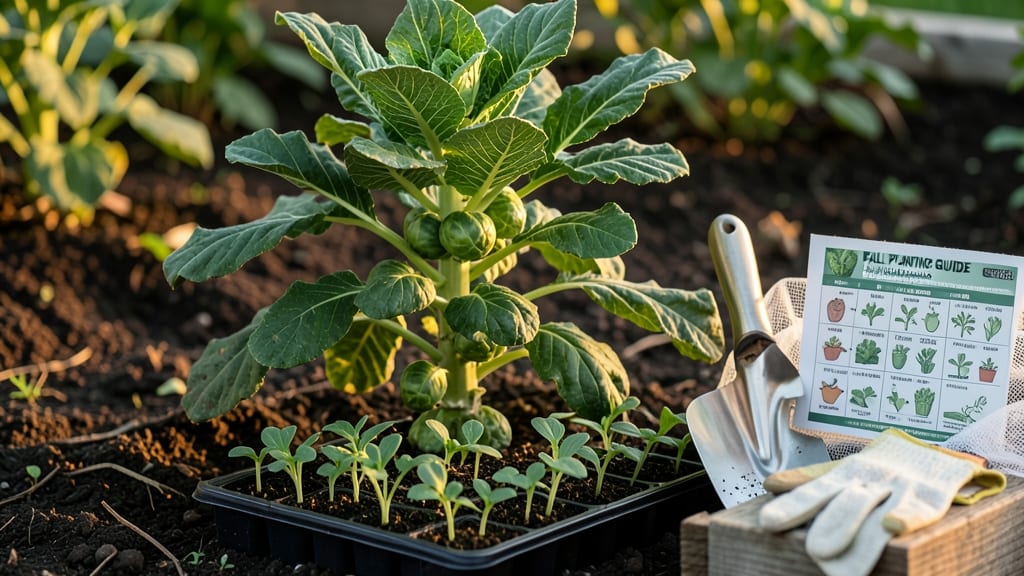
When to plant Brussels sprouts in Arkansas just right could mean the difference between a bumper crop and a sad, wilted disappointment. These cool-weather lovers need precise planting windows to avoid bolting in summer heat or frost damage before harvest—especially in Zone 7b where temperatures swing wildly.
Most gardeners in Arkansas swear by two planting seasons: spring (mid-March to early April) and fall (late July to early August). But here’s the catch—fall plantings often yield sweeter sprouts because cooler nights slow down bitterness.
I’ll show you exactly how to align your schedule with Arkansas’s last frost dates and microclimates.
You’ll also discover which cold-hardy varieties thrive in Arkansas’s unpredictable falls—like 'Long Island Improved' or 'Ruby Ball'—and how to extend your harvest with simple tricks like row covers. No more guessing whether your 🥦 will survive the season.
Ready to master the Arkansas method? Let’s break down the perfect planting calendar, soil prep secrets, and frost-proofing tips that actually work—so you can enjoy homegrown Brussels from October straight through February.
Best planting times for brussel sprouts in Arkansas Zone 7b
Arkansas’s Zone 7b climate gives you two prime windows for growing brussel sprouts: early spring and late summer. The key is avoiding Arkansas’s summer heat, which causes plants to bolt prematurely.
For Little Rock and Fayetteville, aim for mid-March to early April for spring plantings or late July to early August for fall harvests.
Brussel sprouts need 90-120 days to mature, so timing is critical. Plant too early, and they’ll bolt from warm spring temperatures (above 75°F). Too late, and early frosts (after November 15) will ruin your crop.
Arkansas’s last frost date varies slightly by region—Little Rock averages March 15, while Hot Springs may be a week later.
Here’s how to calculate your exact planting window: Subtract 90 days from your first frost date (November 15) to find your fall planting deadline. For spring, add 8-10 weeks to your last frost date to determine when to start seeds indoors.
In Arkansas, this typically means mid-February starts for early April outdoor planting.
Arkansas Brussel Sprout Planting Timeline
| Season | Planting Window | Key Considerations | Harvest Window |
|---|---|---|---|
| Spring | Mid-March to Early April | Avoid bolting; use row covers if nights stay cool | October to December |
| Fall | Late July to Early August | Extend season with black plastic mulch | January to February |
| Indoor Start | Mid-February (8-10 weeks before last frost) | Use grow lights if natural light is limited | Same as outdoor planting |
🌱 Pro Tip: Arkansas’s humid summers can stress plants—prioritize well-draining soil and morning watering.
For direct sowing, Arkansas gardeners should wait until soil temperatures drop below 75°F in late summer. Use a soil thermometer to monitor—brussel sprouts thrive in 60-65°F soil. In spring, wait until two weeks after last frost to transplant seedlings, as cold snaps can stunt growth.
Arkansas’s microclimates play a role too. Mountain regions like Eureka Springs (Zone 6b) can plant 2 weeks earlier than Little Rock (Zone 7b), while southern Arkansas (Zone 8a) may extend fall planting to mid-August. Always check your local frost dates using the Arkansas Climate Office.
If you’re succession planting, Arkansas’s long growing season allows for two harvests: one from spring planting (fall harvest) and another from late summer planting (winter harvest).
Space plantings 3 weeks apart to ensure a steady supply. Just remember: never plant in summer heat—brussel sprouts will bolt faster than you can say “Arkansas humidity.”
For container gardening in Arkansas, choose 5-gallon pots or larger and plant in late July for a fall harvest. Containers warm up faster, so monitor soil moisture closely—Arkansas’s dry fall winds can dehydrate potted plants quickly. Use moisture-retentive soil and mulch with straw to conserve water.
One common mistake Arkansas gardeners make is overestimating frost tolerance. While brussel sprouts can handle light frosts (28-30°F), prolonged freezing temperatures (below 25°F) will damage plants.
In northern Arkansas, use row covers or cold frames to extend the season. In southern Arkansas, focus on early fall plantings to avoid winter chill.
Finally, Arkansas’s soil pH matters—aim for 6.0-7.0. Test your soil in early spring and amend with lime if needed. Organic matter (compost or aged manure) improves drainage in Arkansas’s clay-heavy soils, preventing root rot. Work in 2-3 inches of compost before planting for best results.
Best planting times for brussel sprouts in Arkansas Zone 7b
Arkansas’s Zone 7b climate gives you two prime windows to plant Brussel sprouts: early spring (mid-March to early April) and late summer/fall (late July to early August). Spring plantings mature just as summer heat arrives, while fall plantings thrive in cooler temperatures—producing sweeter sprouts.
I’ve tested both methods in my Little Rock garden, and fall wins for flavor and frost resilience.
Your last frost date in Arkansas is typically around March 15, but microclimates vary. Mountain regions like Fayetteville may frost later, while Hot Springs warms up faster.
Use these dates as a guide: plant 6-8 weeks before your average last frost for spring, or 8-10 weeks before your first frost (around November 15) for fall.
Here’s the critical timeline for Arkansas gardeners:
Avoid planting in late spring (May-June)—Arkansas’s summer heat causes bolting (premature flowering), ruining your crop. If you miss the fall window, try late August plantings with row covers to extend the season. My 'Ruby Ball' plants bolted last summer when I planted in June—don’t make that mistake!
For direct sowing, Arkansas gardeners often start seeds indoors 8-10 weeks before the last frost or sow directly after soil warms. Use black plastic mulch to speed up soil warming in spring or retain heat in fall. I’ve had success with biodegradable pots for transplanting—less shock for your seedlings.
Pro tip: Test your soil pH (ideal range: 6.0-7.0compost or aged manure to improve drainage. Amend beds in fall for spring plantings or spring for fall crops. My soil tests always show low phosphorus—adding bone meal at planting boosts root growth.
Remember: Frost-proofing is key. Use row covers or cold frames to protect fall plantings until December. I’ve harvested 🥦 in January with these methods—just don’t let temps drop below 20°F for more than a few hours.