
Plants
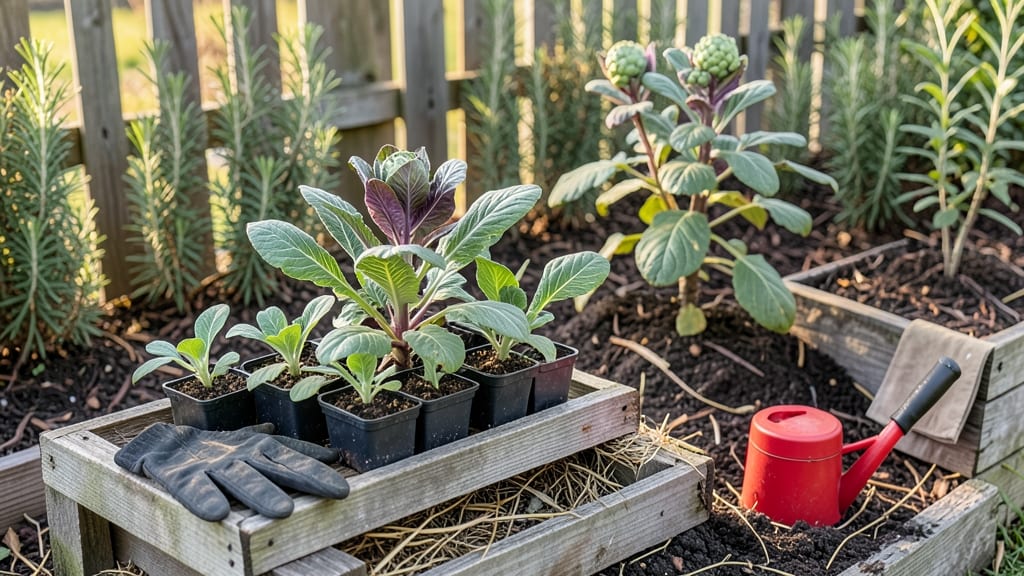
Planting Brussel sprouts 🥦 in Southern California feels like walking a tightrope—too early, and the heat will bolt your plants; too late, and you miss the sweet spot for harvests. But here's the secret: timing isn't one-size-fits-all in our diverse climate zones.
Whether you're in coastal 9b or inland 10a, the key is understanding your microclimate. I've grown these cool-weather lovers for years, and I'll show you exactly when to start seeds indoors or sow directly for zero-frost harvests—because yes, you can grow them year-round here!
Fall planting (September-October) gives you December-January harvests, while winter starts (February-March) lead to spring crops. The trick? Avoiding summer heat stress and knowing when to protect tender sprouts from rare cold snaps.
Let's break down the perfect planting windows for your specific zone, plus pro tips to extend your growing season and keep your 🥦 plants thriving—no matter where you garden in SoCal.
Southern California microclimate zones & ideal planting months for Brussel sprouts
Southern California’s diverse microclimates—from coastal fog belts to inland deserts—create unique growing conditions for Brussel sprouts. Unlike northern climates, you won’t face frost threats in most areas, but heat stress and seasonal timing still dictate success. The key is planting during cooler months when temperatures stay between 55°F–75°F (13°C–24°C).
Coastal regions like Malibu and Santa Barbara enjoy mild winters, while inland valleys (e.g., San Fernando or Coachella) can experience hotter summers and cooler nights. Desert areas like Palm Springs require even more precise timing to avoid bolting. Let’s break down the optimal planting windows for each zone.
🌱
| Zone | Best Planting Time | Indoor Start (Weeks Before) | Direct Sow Window | Harvest Window |
|---|---|---|---|---|
| Coastal (e.g., Santa Barbara, San Diego) | September–October (fall) or February–March (winter) | 6–8 weeks before transplant | Late August–early November | December–January (fall) or May–June (winter) |
| Inland Valleys (e.g., San Fernando, Riverside) | August–September (fall) or January (winter) | 8–10 weeks before frost (rare) | July–early September | November–December (fall) or April–May (winter) |
| Desert (e.g., Palm Springs, Joshua Tree) | September–October (fall only) | 10–12 weeks before transplant | Late August–early October | December–January (fall) |
💡 Pro Tip: Desert growers should prioritize shade cloth (30–50%) to prevent bolting.
For coastal areas, aim to plant Brussel sprouts in late summer (August–September) for a fall harvest. The ocean breeze moderates temperatures, but foggy mornings can delay germination—so use row covers if needed. Inland valleys benefit from an early fall planting (July–August) to escape summer heat.
In desert regions, the window is narrower due to extreme heat. Plant only in fall (September–October) and choose heat-tolerant varieties like ‘Long Island Improved’ or ‘Jade Cross’. These varieties handle warmer soils better than traditional types.
If you’re planting in winter (February–March), focus on coastal or inland valleys. Desert areas rarely support winter growth due to daytime heat, even if nights are cool. For these regions, container gardening with afternoon shade is your best bet.
🌿
Direct sowing is possible, but starting seeds indoors gives you more control—especially in hotter inland zones. Use seed-starting trays and transplant seedlings when they’re 4–6 inches tall. Harden them off for 7–10 days before moving to the garden to avoid transplant shock.
One critical mistake is assuming Southern California’s mild climate means you can plant anytime. Summer heat (June–August) will cause Brussel sprouts to bolt prematurely, ruining your crop. Always check soil temperatures—ideal range is 55°F–75°F (13°C–24°C).
For year-round harvests, stagger plantings every 2–3 weeks during the ideal windows. This ensures a steady supply of tender sprouts without overloading your garden at once.
☀️
Southern California microclimate zones & ideal planting months for Brussel sprouts
Southern California’s diverse microclimates—from coastal fog belts to inland valleys—create three distinct planting zones for Brussel sprouts. Coastal areas like Malibu or Santa Barbara stay milder year-round, while inland regions like San Fernando Valley or Riverside experience hotter summers and cooler winters.
Desert zones near Palm Springs require even more careful timing to avoid heat stress.
In coastal zones (USDA 9b-10a), you can plant Brussel sprouts year-round, but the ideal window is August through November for fall harvests. Inland areas should aim for September to October plantings to avoid summer heat, while desert regions benefit from winter sowing (February-March) to escape extreme summer temperatures.
Key planting windows vary by zone:
| Zone | Indoor Start (Weeks Before Transplant) | Direct Sow Outdoors | Harvest Window |
|---|---|---|---|
| Coastal (e.g., Santa Barbara, Malibu) | 6-8 weeks before transplant (Aug-Sept) | Aug-Nov (fall) or Feb-March (winter) | Oct-Jan (fall) or May-June (winter) |
| Inland (e.g., San Fernando Valley, Riverside) | 8-10 weeks before transplant (Sept-Oct) | Sept-Oct (fall) or Feb-March (winter) | Nov-Jan (fall) or May-June (winter) |
| Desert (e.g., Palm Springs, Joshua Tree) | 10-12 weeks before transplant (Jan-Feb) | Feb-March (winter only) | May-June (spring) |
For coastal gardeners, August sowing gives you harvests by October, while September plantings yield winter crops. Inland growers should avoid summer planting—Brussel sprouts bolt in heat—and instead focus on fall or winter starts.
In desert zones, winter planting is critical. Start seeds indoors by January and transplant by February to escape the 100°F+ summers. Use shade cloth (30-50%) if extending the season into late spring.
Pro tip: Succession planting every 3-4 weeks in coastal areas ensures a continuous harvest from fall to winter. Inland gardeners can stretch their season by planting a second crop in February for spring harvests.