
Plants
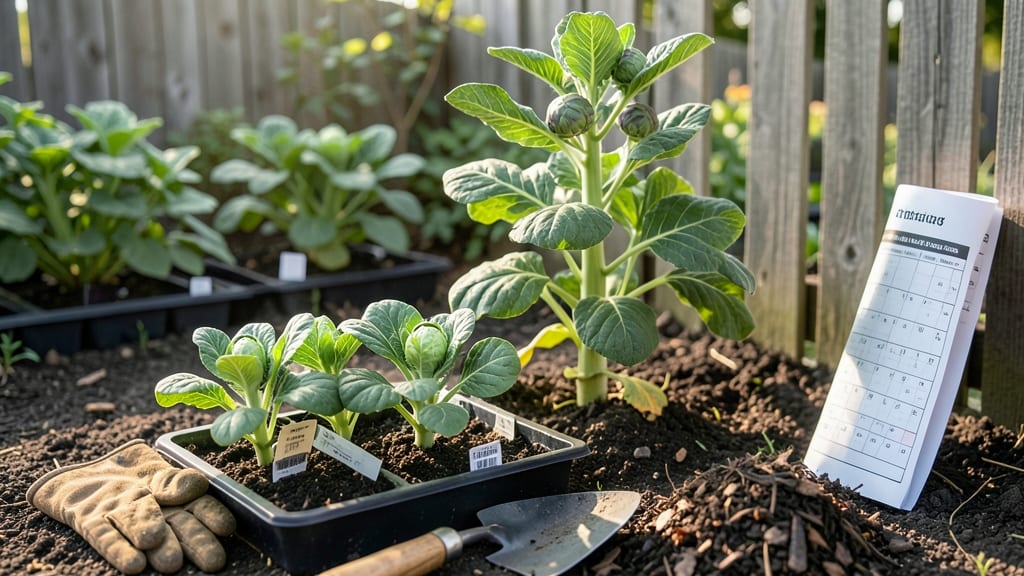
Planting Brussel sprouts 🌱 at the wrong time in Oklahoma can turn your garden dreams into a sad, stunted mess—but getting the timing right means a bountiful harvest of those sweet, nutty little gems.
Unlike some veggies, Brussels thrive in cool weather, and Oklahoma’s USDA Zones 6-8 demand precision to avoid bolting or frost damage.
Most gardeners here make the mistake of waiting too late, but the key is planting early enough for a fall harvest or late enough for a spring crop.
With Oklahoma’s unpredictable swings from 90°F heat to sudden freezes, knowing when to put those seeds in the ground separates the successful growers from the frustrated ones.
I’ve learned the hard way that timing isn’t just about months—it’s about soil temperature and last frost dates. Whether you’re in Oklahoma City or rural areas, I’ll break down the exact windows to plant for maximum yield, so you can enjoy homegrown Brussels from summer through fall.
Ready to avoid the common pitfalls? Let’s dive into the strategies that actually work for Oklahoma’s climate, from soil prep to harvest tips that keep your plants happy and productive.
Best planting times for Brussels sprouts in Oklahoma’s climate zones
Oklahoma’s USDA Zones 7a-7b create a perfect window for growing Brussels sprouts, but timing is everything. These cool-season crops thrive when temperatures hover between 50°F and 75°F, making early spring and late summer your best bets.
Plant too early, and you’ll risk premature bolting from heat; too late, and frost will stunt growth before harvest.
The key is aligning your planting schedule with Oklahoma’s average last frost dates. In Oklahoma City and Tulsa, this typically falls between March 15 and April 15, while rural areas may experience frost slightly later.
For a fall harvest, aim to plant between July 15 and August 15, giving sprouts time to mature before the first frost, usually around November 15.
Here’s how to break it down by region and strategy:
| Planting Window | Method | Soil Temp | Notes |
|---|---|---|---|
| March 15 - April 15 | Direct sow or transplant | 45°F - 55°F | Spring harvest by October |
| July 15 - August 15 | Direct sow only | 60°F - 70°F | Fall harvest before frost |
| September 1 (late start) | Transplant only | 50°F - 60°F | Risk of small harvest |
🌱 Pro Tip: Use a soil thermometer to confirm ideal temps before planting.
For direct sowing, which is ideal for both spring and fall, plant seeds ½ inch deep and 1 inch apart in rows spaced 2 feet apart. This method gives you more control over spacing and reduces transplant shock.
If you’re using transplants, choose 6-week-old seedlings and harden them off for 7-10 days before setting them in the ground.
Oklahoma’s summer heat can be brutal on Brussels sprouts, so avoid planting after August 15 unless you’re in a higher-elevation area with cooler nights. If you’re in Zone 7a (like northern Oklahoma), you might push planting to early September, but expect a smaller harvest.
Always check your local Almanac frost dates to adjust for microclimates.
One trick I’ve used in my own garden is to plant a mix of varieties with different maturity dates. For example, pair ‘Long Island Improved’ (90 days) with ‘Jade Cross’ (80 days) to stagger your harvest.
This way, you’re not left with a sudden glut of sprouts all at once, and you can extend your harvest window by 2-3 weeks.
Don’t forget to test your soil pH before planting—Brussels sprouts prefer a range of 6.0 to 7.5. Oklahoma’s clay-heavy soils often need amendments like compost or lime to hit the sweet spot.
I always add a 2-inch layer of compost to my planting beds to improve drainage and fertility, which is especially critical in Oklahoma’s hot, dry summers.
Finally, mark your calendar for succession planting every 2-3 weeks after your initial sowing. This ensures a steady supply of fresh sprouts and maximizes your garden’s productivity. In Oklahoma, this means two planting rounds in spring (early April and mid-May) and one in late July for fall.
With the right timing and a little patience, you’ll be harvesting plump, flavorful Brussels sprouts straight from your Oklahoma garden—just in time for holiday meals or fresh salads all winter long. 🌿
Best planting times for Brussels sprouts in Oklahoma’s climate zones
Oklahoma’s USDA Zones 6-8 create unique challenges for growing Brussels sprouts, but the secret lies in planting during the coolest months. Unlike heat-loving plants, Brussels sprout seedlings thrive when soil temperatures stay between 50°F and 75°F.
In Oklahoma, this means focusing on early spring (March-April) and late summer (August-September) for fall harvests.
Most gardeners in Oklahoma City and Tulsa aim for two planting windows: one in March for a late summer harvest, and another in August for a fall harvest before frost.
Rural areas with slightly cooler microclimates can extend the spring window by 2-3 weeks, but timing is critical—planting too early risks bolting from heat, while late planting may not mature before frost.
| Planting Window | Soil Temp | Last Frost Date | Harvest Window |
|---|---|---|---|
| Early Spring (March) | 50°F-60°F | After April 15 | Late August-October |
| Late Summer (August) | 60°F-70°F | Before October 1 | November-December |
🌱 Key: Adjust dates 1-2 weeks earlier for rural areas, later for urban heat islands
For direct sowing, Oklahoma gardeners should start seeds 4-6 weeks before the last frost date (typically mid-March in most areas). If transplanting seedlings, wait until soil warms to 55°F and nighttime temperatures stabilize above 40°F.
I’ve found that transplanting in late April gives seedlings enough time to establish before summer heat arrives.
One common mistake is assuming all Brussels sprouts mature at the same rate. Dwarf varieties like 'Long Island Improved' mature in 75-85 days, while standard types like 'Ruby Ball' take 90-100 days.
In Oklahoma’s climate, this means August plantings of dwarf varieties may yield harvests by late October, while standard types need September plantings for a November-December harvest.
To maximize success, I recommend testing soil temperature with a soil thermometer before planting. If temperatures exceed 80°F, Brussels sprouts will bolt prematurely. In Oklahoma’s summer, this often means delaying planting until late August when soil begins cooling.
For spring plantings, use shade cloth during the hottest afternoon hours to protect young seedlings.
Remember, Oklahoma’s first frost typically arrives between mid-October and November, depending on elevation. To extend your harvest, plant a second crop in late July for a fall harvest before temperatures drop.
This two-crop strategy ensures you’ll have fresh Brussels sprouts from late summer through winter, even in Oklahoma’s unpredictable climate.