
Plants
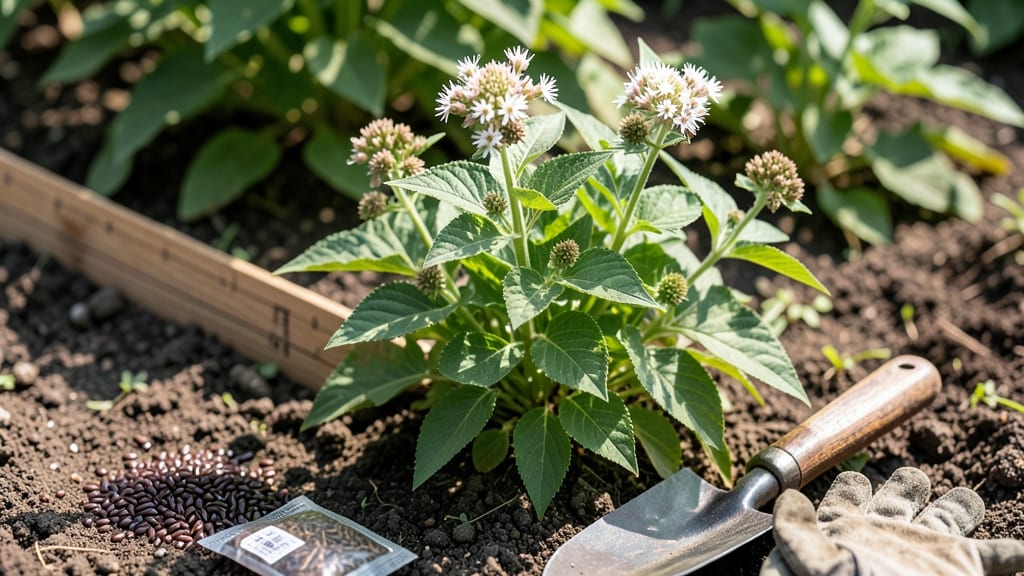
Planting buckwheat at the wrong time in Georgia can mean the difference between a thriving fast-growing cover crop and wasted effort. This hardy 🌾 plant loves the heat, but timing matters—especially in USDA zones 7b-8b, where summer temperatures can push growth too quickly or stall it entirely.
Most gardeners in Georgia focus on spring planting, but buckwheat actually shines in summer, when it can germinate in just 5-7 days and reach harvest in 60-75 days.
That means July and August are your sweet spots for maximum biomass, whether you're growing it for grain or soil improvement.
If you're new to buckwheat, you might wonder why so many gardeners swear by it—it's not just fast, but also drought-tolerant and great for suppressing weeds. I'll walk you through the exact planting windows, soil prep, and even how to time it for fall harvests without risking frost.
Ready to turn your Georgia garden into a buckwheat powerhouse? Let's break down the best months to plant, what to watch for, and how to keep your cover crop growing strong all season long.
Best planting windows for buckwheat in Georgia by season
Georgia’s warm climate and long growing season make it ideal for buckwheat, but timing is everything. Plant too early, and you risk frost damage; too late, and your yield suffers. The key is aligning buckwheat’s 60-75 day growth cycle with Georgia’s heat peaks and frost-free periods.
For coastal Georgia (USDA Zone 8a), like Savannah or Brunswick, you’ve got a longer window—plant as early as mid-February for spring harvests or late June for fall.
In the Piedmont region (Zone 7b), like Athens or Macon, wait until late March for spring or early July to avoid summer heat stress.
Mountain areas (Zone 7a), such as Blue Ridge, should target April 15-May 1 for spring or late July to ensure enough frost-free days before the first freeze. Always check your local last frost date—Georgia’s ranges from March 15 (coastal) to April 15 (mountains).
🌾 Buckwheat Thrives in Heat: Unlike cool-season crops, buckwheat loves warm soil (ideal 60-85°F). Planting in July-August gives it the hot summer months it craves for maximum biomass production.
Georgia’s humidity and heat create microclimates, so adjust your timing based on your region. For example, Tifton in south Georgia can handle earlier spring plantings than Dahlonega in the north. Always aim to harvest before September 15 to avoid mildew risks from late-summer rains.
Pro Tip: Test your soil’s pH (6.0-7.0) before planting. Georgia’s clay-heavy soils in the Piedmont benefit from compost amendments to improve drainage. Buckwheat tolerates poor soil but thrives with organic matter.
For organic grain production, prioritize July-August plantings in Georgia. The hot, humid summers accelerate growth, giving you golden-brown grains by September-October. This timing also helps suppress weeds naturally before winter.
If you’re using buckwheat as a cover crop, plant in late summer (August) to establish roots before first frost. The goal is to smother weeds and improve soil structure over winter. Just ensure it’s tilled under before seed set to prevent self-seeding.
Remember: Buckwheat germinates quickly (3-7 days), so don’t wait until the last minute to plant. Start seeds indoors 2 weeks early if your outdoor window is tight, or direct-sow for faster establishment. Georgia’s short attention span for pests means buckwheat’s fast growth is its best defense.
🌱 For maximum yields, align your planting with Georgia’s heat peaks—think July 15-August 15 for most regions. This ensures your buckwheat gets the sun and warmth it needs to produce abundant biomass or grain heads before cooler weather arrives.
How to time buckwheat planting for maximum biomass production
Georgia’s hot summers and short growing season demand precise timing for buckwheat to reach its peak biomass before frost. The key is planting when soil temps hit 60°F+—typically mid-July to early August—to ensure a 60-75 day harvest window before November’s first frost.
This timing maximizes your cover crop’s ability to suppress weeds and improve soil health.
For spring plantings, aim for late February to early April in Georgia’s coastal regions (warmer microclimates) or March to April in the Piedmont. Spring buckwheat grows quickly but may bolt in 90°F+ heat, so prioritize shade cloth if planting early.
The goal is to establish roots before summer’s intensity peaks.
Here’s how to align your planting with Georgia’s heat cycles for optimal growth:
- 🌱 Soil temp: 60°F+ (use a soil thermometer)
- ☀️ Air temp: Avoid planting when forecasts exceed 95°F for 3+ days
- ❄️ Frost risk: Plant at least 75 days before first frost (Nov 15 in most of GA)
Use succession planting every 2-3 weeks in July-August to extend your harvest window. For example, plant one batch in early July (harvest by late September) and another in mid-August (harvest by early November). This staggered approach ensures continuous biomass production and soil protection.
Pair buckwheat with companion plants like clover or ryegrass to improve nitrogen fixation and reduce weed competition. In Georgia’s humid climate, these pairings also help prevent fungal issues. Space buckwheat 6-8 inches apart in rows 12-18 inches apart to allow airflow and sunlight penetration.
Monitor your buckwheat’s growth stages closely: sprouting (7-10 days), vegetative (2-3 weeks), and flowering (4-5 weeks). If planted too late, it may bolt prematurely—look for yellowing leaves or premature seed heads as warning signs. Adjust future plantings accordingly for your specific Georgia region.
By mastering these timing strategies, you’ll transform buckwheat from a fast-growing cover crop into a high-yielding soil builder tailored to Georgia’s unique climate challenges. 🌾