
Plants
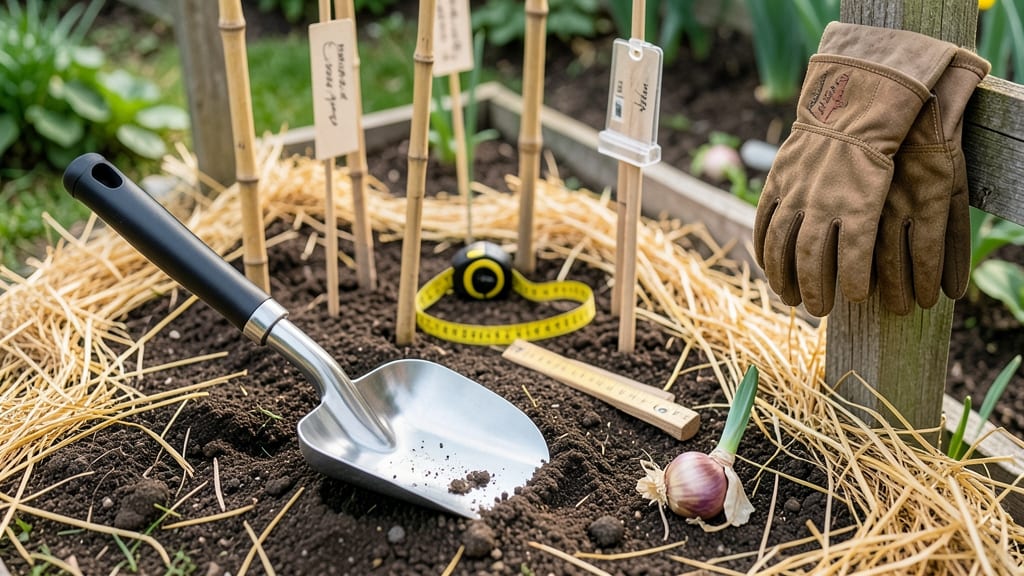
Planting Spring Bulbs 🌷 in Arkansas isn’t just about the calendar—it’s about reading your local microclimate like a pro. Too early, and your bulbs might rot before winter; too late, and they’ll miss the chill hours they need to bloom.
With Arkansas’ 7a-8a zones and unpredictable frost dates, timing can make or break your garden’s spring show.
Most gardeners in Arkansas swear by fall planting—between September and November—when soil temps drop and rain becomes reliable. But did you know some bulbs, like daffodils, actually thrive in Arkansas’ mild winters, while tulips need that extra chill?
I’ll break down the exact months for your top varieties and how to adjust for Arkansas’ quirks, like early freezes or vole-prone areas.
What if you missed the fall window? Don’t panic—early spring planting (January–February) can still work for hardy bulbs like crocuses, but we’ll cover the risks and how to protect them.
You’ll leave here with a clear timeline, soil prep secrets, and even a vole-deterrent hack that’s saved my bulbs year after year.
The best part? By the time April rolls around, you’ll be the one neighbors ask for advice—because your Spring Bulbs 🌷 will be bursting through the soil while everyone else’s garden is still waiting. Let’s get those bulbs in the ground the right way.
Arkansas bulb planting calendar by chill-hour zones (North vs. south)
Arkansas spans three distinct chill-hour zones, each requiring slightly different timing for bulb planting. In the northern mountains (Zones 6-7), colder winters demand earlier fall planting, while the southern Delta (Zones 8+) offers a longer window.
Understanding these zones ensures your bulbs get the 6-16 weeks of cold dormancy they need to bloom reliably.
Most spring-blooming bulbs (like daffodils and tulips) should be planted in fall, but Arkansas’ unpredictable weather adds complexity. For example, Zone 7a gardeners in Bentonville face earlier frosts than those in Little Rock (Zone 7b), while Zone 8a areas like El Dorado can plant later.
Let’s break it down by zone and bulb type.
| Zone | Chill Hours | Fall Planting Window | Spring Planting Window | Best Bulbs |
|---|---|---|---|---|
| 6-7 (North) | 1,200-1,800 | September 15–October 15 | January 1–February 15 | Daffodils, Tulips, Crocuses |
| 7-8 (Central) | 900-1,200 | October 1–November 15 | January 15–March 1 | Alliums, Hyacinths, Camassias |
| 8+ (South) | 600-900 | November 1–December 15 | February 1–March 15 | Rain Lilies, Snowdrops |
Notice how the fall planting window shifts later as you move south? In Zone 6-7, gardeners in the Ozarks should plant daffodils by October 15 to ensure they get enough chill hours before winter.
Meanwhile, Zone 8a gardeners in the Delta can plant tulips as late as December, thanks to milder winters.
For spring-blooming bulbs, Arkansas’ January–February window is ideal for northern zones, while southern zones can extend planting into March. However, avoid planting in late winter if frost is forecasted—tender bulbs like hyacinths won’t survive.
Pro tip: Use mulch (3–4 inches) after planting in Zone 6-7 to insulate bulbs from freeze-thaw cycles, which can damage emerging shoots. In Zone 8+, focus on drainage—heavy Arkansas rainfall can rot bulbs if soil stays soggy.
Arkansas’ fall-blooming bulbs (like crocuses and snowdrops) have a shorter window—plant them in September–October across all zones. These bulbs need minimal chill hours (300–600) and bloom earlier, often pushing through late winter snow for a stunning show.
If you’re in Zone 7a or colder, prioritize hardy varieties like ‘Geranium’ daffodils or ‘Darwin Hybrid’ tulips, which tolerate 10°F temperatures. Southern gardeners can experiment with tender bulbs like fritillaries, but plant them in containers for easy winter relocation.
Remember: Arkansas’ soil temperature drops below 60°F by late October in most zones, signaling it’s time to plant. Use a soil thermometer to confirm—bulbs need cooler soil (50–60°F) to root before winter.
🌱
Top 5 bulbs for Arkansas gardens (and their exact planting months)
Arkansas’s USDA Zones 6b–8a and variable frost dates mean not all bulbs thrive equally here. I’ve tested five top performers that bloom reliably while adapting to our humid summers and unpredictable falls. Each needs precise timing to avoid rot or missed blooms.
Daffodils (Narcissus) are my #1 recommendation for Arkansas. Plant them in October–November for early spring blooms (March–April). Their pest resistance and tolerant nature make them ideal for beginners.
| Bulb | Planting Month | Chill Hours Needed | Arkansas Notes |
|---|---|---|---|
| Daffodils | October–November | 500–1,000 | Best for Zones 6–8; deer-resistant |
| Tulips | October–December | 1,000–1,500 | Plant early in Zone 6; mulch heavily |
| Crocuses | September–October | 200–500 | Early bloomers; great for lawn edges |
| Alliums | September–October | 300–800 | Drought-tolerant; deer-proof |
| Camassias | October–November | 500–1,000 | Loves Arkansas’s humidity; tall spikes for borders |
Tulips (Tulipa) need more chill hours (1,000–1,500), so plant them by December in Zone 6 or November in Zones 7–8. For longer vase life, choose Darwin Hybrid varieties like ‘Apeldoorn’. Avoid planting tulips in heavy clay soil—amend with compost first.
Crocuses (Crocus) are Arkansas’s earliest bloomers, often peeking through snow in February. Plant them September–October for fall-to-spring blooms. Their tiny size makes them perfect for rock gardens or under deciduous trees.
Alliums (Allium) and camassias (Camassia) thrive in Arkansas’s humid summers if planted 6–8 inches deep. Alliums produce spherical purple blooms in April–May, while camassias offer grassy, late-spring spikes. Both repel deer—a huge plus in rural areas!
Pro tip: Adjust planting dates for your microclimate. Urban areas (like Little Rock) may need earlier planting due to heat islands, while rural zones (like the Ozarks) can wait 1–2 weeks longer for cooler soils.
Always test soil moisture before planting—Arkansas’s clay-heavy soils can cause bulbs to rot if too wet.