
Plants
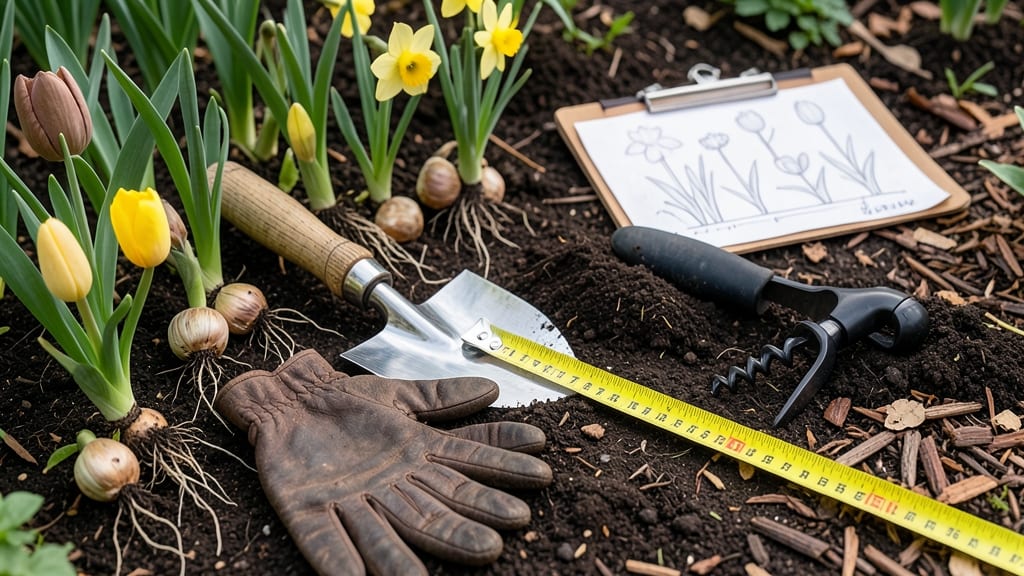
Planting bulbs in South Carolina at the wrong time can mean the difference between a vibrant spring garden and a sad pile of rotted 🌷 roots. With frost dates shifting unpredictably and coastal zones behaving differently than the Piedmont, timing is everything—but most gardeners still guess.
I’ve spent years perfecting the exact months to plant everything from daffodils to tulips in 7b-9a, and the key isn’t just “fall”—it’s September through November, with adjustments for your specific zone.
Skip this window, and you risk bulbs sprouting too early (and freezing) or missing the chance to root before winter.
What you’ll discover here are the precise planting windows for your area, plus how to tell when soil temps are just right. We’ll also cover the one common mistake that kills 80% of SC bulb gardens—and how to avoid it.
Ready to transform your yard into a year-round blooming paradise? Let’s get those bulbs in the ground at the perfect moment.
South Carolina bulb planting calendar: exact months by hardiness Zone & variety
South Carolina’s USDA Zones 7b-8a create a unique challenge for bulb planting—coastal areas like Charleston (Zone 8a) can have milder winters than the Piedmont’s Greenville (Zone 7b).
That means your optimal planting window shifts depending on where you live, but the general rule is September through November for most spring-blooming varieties.
For Zone 7b (Piedmont), aim to plant bulbs by mid-October to ensure roots establish before the first frost (typically mid-November).
In Zone 8a (Coastal), you’ve got a little more flexibility—plant through early December, but avoid late December to prevent early spring sprouting that can get fried by unexpected cold snaps.
Here’s the visual breakdown of when to plant popular bulbs in SC, including frost-risk adjustments for your region:
| Bulb Variety | Zone 7b (Piedmont) | Zone 8a (Coastal) | Key Notes |
|---|---|---|---|
| Daffodils (Narcissus) | September 15 - October 15 | October 1 - November 15 | Hardy; plant deeper (6-8"). |
| Tulips (Tulipa) | October 1 - November 1 | October 15 - December 1 | Needs chilling; avoid late planting. |
| Hyacinths (Hyacinthus) | October 15 - November 15 | November 1 - December 10 | Fragrant but frost-sensitive; mulch well. |
| Crocus (Crocus) | September 1 - October 15 | October 1 - November 1 | Early bloomer; plant shallow (3-4"). |
| Dahlias (Dahlia) | March 15 - April 30 (tubers) | April 1 - May 15 (tubers) | Tender; plant after last frost. |
| Canna Lilies (Canna) | April 15 - May 31 (rhizomes) | May 1 - June 15 (rhizomes) | Heat-loving; plant after soil warms. |
Notice how tender bulbs like dahlias and cannas have spring planting windows—they can’t handle SC’s winters. Meanwhile, hardy bulbs like daffodils thrive when planted in early fall, giving them time to root before the ground freezes.
For Zone 7b gardeners, prioritize planting by October 15 to avoid early frosts. In Zone 8a, you can stretch into early December, but watch for unpredictable cold snaps—especially in low-lying areas where frost lingers longer.
Use a soil thermometer to confirm temps are below 60°F before planting.
Pro tip: Mulch heavily after planting (3-4 inches of straw or pine needles) to insulate bulbs and protect them from freeze-thaw cycles, which can damage emerging shoots. This is especially critical in Zone 7b, where winters can be harsher.
If you’re in Zone 8a and miss the fall window, don’t panic—you can still plant tender bulbs in spring (like cannas) as long as you do it after your last frost date (typically mid-March in Charleston). Just be prepared to
5 Critical factors that determine your SC bulb planting success (and when to adjust timing)
South Carolina’s variable frost dates and microclimates mean your neighbor’s perfect planting time might ruin your bulbs. The five factors below will help you adjust timing for your specific yard—whether you’re in coastal Charleston or the Upstate Piedmont. Start by checking your USDA Zone (7b-9a) and local frost records.
First, soil temperature is your #1 guide. Most bulbs need 60°F soil to root before winter. Use a soil thermometer—if temps drop below 50°F at night, delay planting until next month. In Zone 8a, this often means waiting until late October for tender varieties like dahlias.
Pro tip: Test your soil with a simple moisture test. Dig down 6 inches—if it’s damp but not soggy, it’s ready. In Zone 9a, you can even plant some bulbs in December (like paperwhites) for early spring color, but most varieties still prefer fall planting.
Adjust your timing based on these factors, and you’ll avoid the #1 SC bulb mistake: planting too early and watching your bulbs rot in wet soil. Next, we’ll cover how to spot (and fix) this common error before it’s too late. 🌱