
Plants
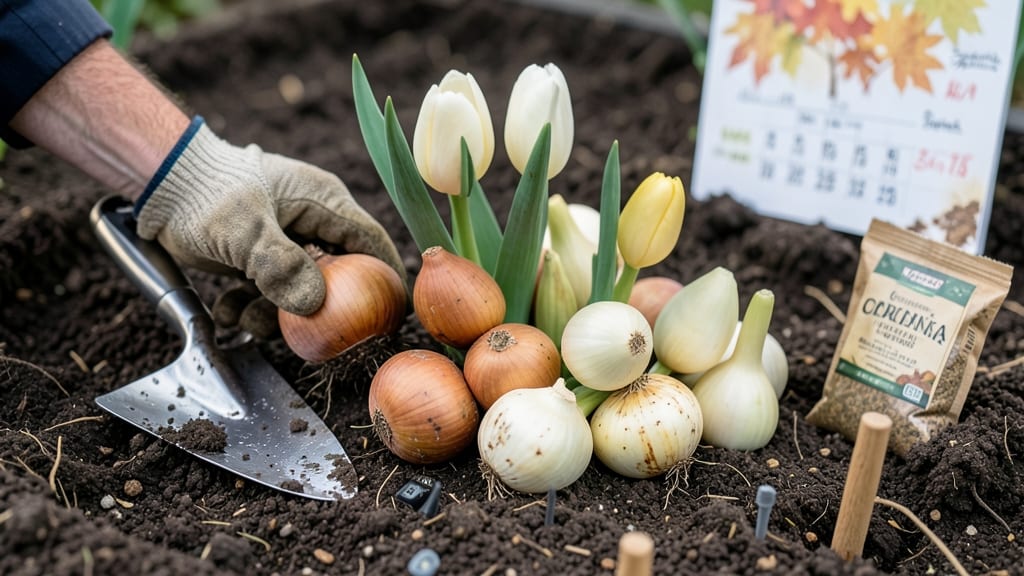
Planting Spring Flowering Bulbs 🌷 in South Carolina isn’t just about grabbing a bag of bulbs and digging holes—it’s about timing them perfectly to beat the state’s unpredictable frost and humidity.
Too early, and tender roots might not survive; too late, and you’ll miss the chance for vibrant spring blooms that brighten up your garden before summer heat sets in.
If you’ve ever wondered why some gardens burst with color while others struggle, the answer often lies in matching your bulbs to South Carolina’s unique climate.
With USDA Zones 7b-8b and varying chill-hour needs, the best time to plant isn’t one-size-fits-all—but I’ll break it down so you can pick the perfect window for your location, whether you’re in the coastal lowcountry or the Piedmont hills.
From classic daffodils to showstopping tulips, each bulb has its own ideal planting schedule, and I’ll share exactly when to tuck them into the soil for reliable blooms next spring.
Whether you’re a first-time gardener or a seasoned pro, these tips will help you avoid common mistakes and get the most out of your bulb investment.
Let’s dive into the seasonal secrets that’ll transform your South Carolina garden into a springtime paradise—no guesswork required.
South Carolina’s chill-hour zones: how to match bulbs to your location
South Carolina’s climate isn’t one-size-fits-all—its three chill-hour zones (400–800 hours) determine which bulbs will thrive in your garden. Zone 7b (coastal areas like Charleston) has milder winters, while Zone 8b (Piedmont regions like Columbia) can handle slightly more chill. Chill-hour needs are critical: plant daffodils in Zone 7b, but hyacinths may struggle unless you’re in Zone 8b with extra winter protection.
Understanding your zone helps you avoid wasted bulbs. For example, tulips need 600–800 chill hours, so they’re better suited for Upstate SC than the Lowcountry. Meanwhile, crocus and snowdrops (200–400 chill hours) can brave Zone 7b’s milder winters. Use your local Cooperative Extension Service data for precise chill-hour tracking.
Here’s how to translate chill hours into planting windows:
| Chill-Hour Zone | Best Bulbs | Fall Planting Window | Spring Planting Window | Key Tip |
|---|---|---|---|---|
| Zone 7b (400–600 chill hours) | Daffodils, Crocus, Snowdrops, Allium | Late September–October | February–early March | Use mulch for frost protection. |
| Zone 8a (600–800 chill hours) | Tulips, Hyacinths, Iris, Fritillaria | October–November | March (after last frost) | Plant deeper (6–8" depth) for stability. |
| Zone 8b (800+ chill hours) | Daffodils, Grape Hyacinths, Muscari, Camassia | November (after first frost) | Late March–April | Prioritize well-draining soil to prevent rot. |
For Zone 7b gardeners (like me in Charleston), I’ve found that daffodils and crocus are the most reliable—plant them in late September for early spring blooms.
In Zone 8b (Columbia), I’ve had success with tulips planted in October, but I always add a 2-inch layer of mulch to simulate extra chill hours.
Pro tip: Pre-cool bulbs for 4–6 weeks in your fridge (35–40°F) if you’re in Zone 7b and want to grow tulips or hyacinths. This mimics winter chill and boosts bloom quality. Just don’t let them sprout before planting!
Timing isn’t just about the calendar—it’s about soil temperature. Wait until the ground cools to 60°F or below before planting fall bulbs. Use a soil thermometer to check, especially in coastal areas where humidity delays cooling.
In Upstate SC, you can plant as early as mid-September, but in Charleston, hold off until late October.
Spring planting (for bulbs like cannas or dahlias) follows the last frost date. In Zone 7b, that’s usually mid-March, while Zone 8b can start as early as February. For tender bulbs, wait until nighttime temps stay above 50°F consistently.
Don’t overlook microclimates—your garden’s sun exposure and wind patterns can shift chill-hour needs. A north-facing bed stays cooler longer, while a south-facing slope warms up faster. Adjust your planting window by 1–2 weeks based on these factors.
Finally, test your bulbs’ chill-hour needs the first year. If a bulb fails to bloom, it may need more (or less) chill. Swap varieties next season—daffodils for Zone 7b, grape hyacinths for Zone 8b—and watch your garden transform.
Best bulbs for South Carolina gardens by season: fall vs. spring planting guide
South Carolina’s two distinct planting seasons for bulbs—fall and spring—determine which varieties thrive in your garden. Fall-planted bulbs like daffodils and tulips need 6-8 weeks before the first frost to establish roots, while spring-planted varieties such as cannas and dahlias prefer warmer soil.
Let’s break down the best options for each season and their care needs.
For fall planting (September–November), focus on cool-season bulbs that bloom in spring. These include crocus, hyacinths, and alliums, which tolerate South Carolina’s mild winters and require 400–800 chill hours.
Plant them in well-draining soil and mulch after frost to protect roots. Spring-planted bulbs, like gladiolus and caladiums, thrive in warmer months and need consistent moisture to prevent dormancy.
🌱 Bulb Planting Guide for South Carolina
| Bulb Type | Planting Season | Ideal Months | Chill Hours Needed | Care Tips |
|---|---|---|---|---|
| Daffodils | Fall | September–October | 400–600 | Full sun; mulch after planting |
| Tulips | Fall | October–November | 600–800 | Partial shade; water weekly |
| Cannas | Spring | March–April | 0–200 | Full sun; stake tall varieties |
| Dahlias | Spring | April–May | 0–300 | Partial shade; fertilize monthly |
🌿 Pro Tip: Test soil moisture before planting—bulbs rot in soggy ground!
When planting fall bulbs, aim for 6–8 weeks before the first frost (mid-November in most of SC). Use a trowel to dig holes 6–8 inches deep, place bulbs pointy end up, and cover with soil.
For spring bulbs, wait until soil warms to 60°F (usually March–April) and plant in well-draining beds to prevent rot. Mulch around spring-planted bulbs to retain moisture during hot summers.
Adjust your watering schedule based on the season: fall bulbs need weekly watering until frost, while spring bulbs thrive with bi-weekly deep watering once established. Avoid overhead watering to prevent fungal diseases like botrytis, which thrives in South Carolina’s humid climate.
Instead, water at the base of plants in the morning to allow foliage to dry quickly.
For longer bloom seasons, mix fall and spring bulbs in your garden. For example, plant crocus in fall for early spring color, then add bearded irises in spring for summer blooms.
This layered approach ensures continuous color from February through September, even in South Carolina’s short-lived spring. Just remember: bulbs need time to adjust, so don’t rush planting!
Experiment with unusual varieties like rain lilies or Spanish bluebells, which thrive in SC’s climate and add unique textures to your garden. These low-chill bulbs (under 400 hours) are perfect for coastal areas where winters are milder. Always check the chill-hour requirements before buying to avoid disappointment.